In today's fast-changing world of manufacturing, the need for quality CNC turned parts has never been more important. When global buyers are trying to figure out how to source these parts, hearing insights from experts in the field can really make a difference. Take John Matthews, a well-known name in precision machining—he once said, "The right CNC turned part can make or break a project." That really shows just how crucial these components are across different industries.
CNC turned parts play a huge role in helping manufacturers hit high standards of precision and keep production efficient. But, of course, it’s not always smooth sailing. Challenges like picking the right materials or ensuring the machining process is up to par can be tricky. Not all suppliers are created equal—some can’t always deliver the same quality or consistency, which makes it tough for buyers to sift through their options. Plus, standards in different countries can be all over the place, making the whole sourcing process even more complicated.
Looking ahead to 2026, it’s super important for buyers to understand these little nuances. Doing a thorough background check on potential partners can save a lot of headaches down the line. Finding the perfect CNC turned part isn’t a walk in the park—it’s more like a bit of a journey with some bumps along the way. But if you’re ready to tackle these challenges head-on, you’ll make smarter choices and build stronger partnerships that stand the test of time.
Global Trends in CNC Turning Technology for 2026
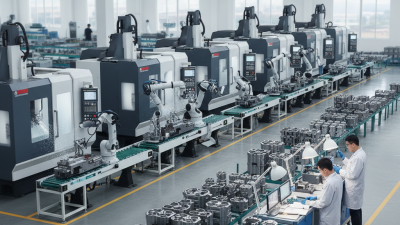
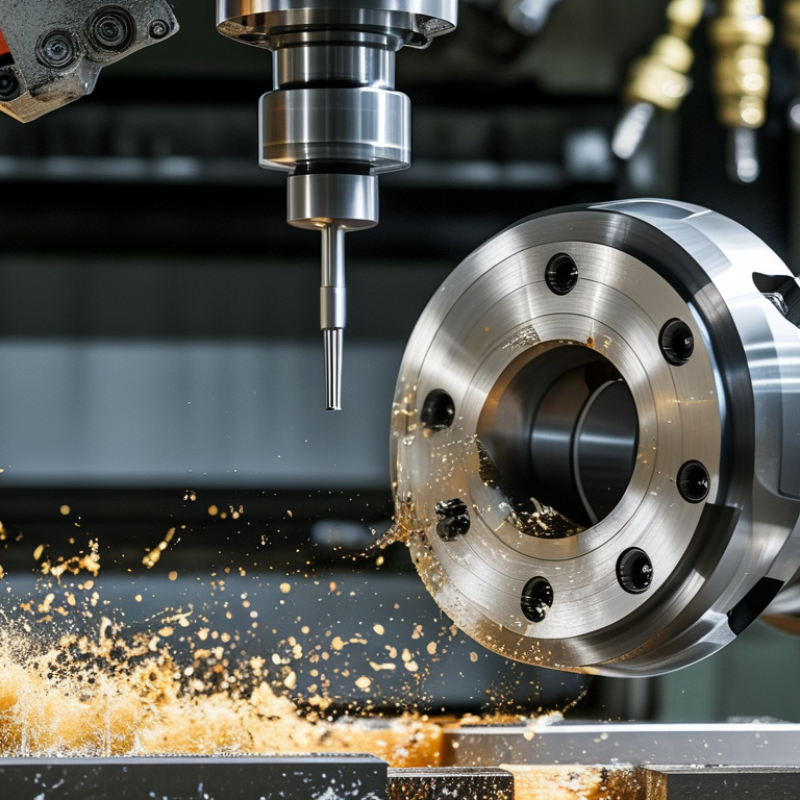
As we look toward 2026, global trends in CNC turning technology are evolving rapidly. The demand for precision and efficiency is reshaping manufacturing. Small Part Cnc Machining emerges as a crucial focus. This process allows for intricate designs and exact specifications, catering to various industries.
Technological advancements play a significant role in this transformation. Innovations such as automation and AI integration streamline production, reducing errors. These advancements also raise concerns about reliance on technology. The possibility of job displacement looms large, prompting discussions about the future workforce.
Sustainability remains a key concern. CNC turning processes must balance environmental impact with productivity. Many manufacturers are exploring eco-friendly materials and waste reduction techniques. However, achieving a perfect balance can be challenging. The journey toward sustainable practices is ongoing and full of hurdles. Innovations must evolve alongside ethical considerations, creating a more holistic approach to CNC turning.
Essential Features of CNC Turned Parts for Buyers
When it comes to CNC turned parts, understanding essential features is crucial for global buyers. Precision is key. According to a recent report by industry analysts, a staggering 70% of manufacturers prioritize accuracy in their procurement processes. This means that the tolerances of these parts must adhere to strict specifications. Components manufactured with tighter tolerances not only enhance performance but also reduce the likelihood of malfunctions in final products.
Material selection plays a pivotal role as well. Buyers should be aware that different materials yield varying results in durability and cost-effectiveness. According to data from the American Machining Association, stainless steel parts are often favored for their corrosion resistance, accounting for 40% of purchases in the aerospace sector. However, cost challenges can be significant. While high-strength alloys perform better, they may inflate production costs by 20% or more, demanding careful evaluation.
Beyond these basic features, manufacturing methods also warrant inspection. Machining processes vary widely, and the choice can impact overall quality. Some techniques may result in surface imperfections or require additional finishing steps. Industry reports highlight that as many as 30% of products face rejection during quality checks due to these issues. Buyers must navigate these complexities thoughtfully to ensure they are investing wisely in CNC turned parts that meet their specific needs.
Key Industries Utilizing CNC Turned Parts in 2026
In 2026, industries are relying heavily on CNC turned parts. These components are vital in sectors such as automotive, aerospace, and medical. According to a recent market analysis, the global CNC machining market is expected to reach $102 billion by 2026, showcasing a significant growth trajectory.
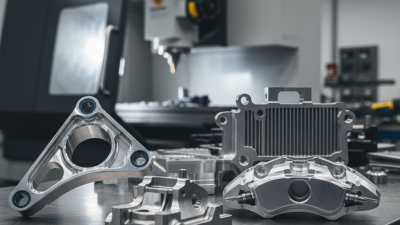
Cnc Large Part Machining is particularly crucial in the aerospace industry, where precision parts must meet stringent standards. The demand for lightweight components that enhance fuel efficiency is driving innovation. Medical equipment manufacturers also seek reliable CNC turned parts to ensure safety and quality in devices. A report indicates that 28% of medical instruments produced in 2026 will utilize CNC technologies.
Despite this growth, challenges remain. Supply chain issues can hinder timely production, impacting project deadlines. The need for skilled operators and technicians continues to be a gap in many sectors. Addressing these challenges is key for industries looking to maximize efficiency and quality in their CNC turned parts production.
Material Options for CNC Turned Parts: A Comprehensive Guide
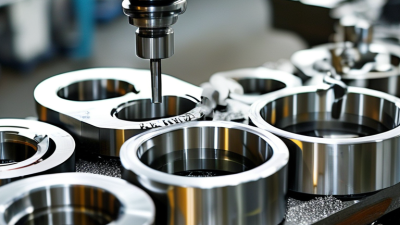
When choosing materials for CNC turned parts, the options are vast. Metals like aluminum, brass, and stainless steel are popular for their strength and durability. Each material has its unique characteristics, impacting the final product’s performance and appearance. For critical applications, consider the part's operating environment and required tolerances.
Tips: Always test small batches of your chosen material. This ensures compatibility with your design specifications. Pay attention to how the material behaves under machining conditions—it can save time and cost during Large Part Cnc Machining processes.
Plastic materials, such as nylon or polypropylene, also have their place. They are lightweight and resist corrosion. However, they may not offer the same strength as metals. Evaluate your part's requirements carefully to choose the right material. If aesthetic appeal is vital, consider options with advanced finishes.
Tips: Keep track of material availability and lead times. Sourcing delays can derail project timelines. Monitor your budget for each material type. Expect variations in cost that can significantly affect your overall project.
Quality Standards and Certifications for CNC Turned Parts
When considering CNC turned parts, quality standards and certifications play a pivotal role. Many manufacturers strive to meet international standards such as ISO 9001, which focuses on quality management systems. This certification is crucial for buyers since it ensures consistent quality in Cnc Turning Part Manufacturing.
Data shows that around 75% of global buyers prioritize quality certifications when selecting suppliers. According to recent industry reports, companies with certifications achieve at least a 30% higher customer satisfaction rate. This indicates that reliability in manufacturing processes is not merely a benefit but a necessity. Furthermore, several standards address materials, testing, and performance, ensuring components meet specific industry needs.
In the evolving landscape of CNC turned parts, adhering to quality standards is essential. However, some manufacturers struggle with compliance. Industry experts suggest that ongoing training and investment in technology can significantly enhance adherence to these standards. Despite the challenges, the rewards of effective quality management in CNC turning part manufacturing are substantial, often leading to improved market reputation and increased sales.
Sourcing CNC Turned Parts: Tips for Global Buyers
When sourcing CNC turned parts, global buyers must take a strategic approach. Understanding your specifications clearly is crucial. This will keep you aligned with manufacturers and help avoid scope changes late in production. Avoid vague terms; precise measurements and tolerances drive better results.
Tips for buyers include focusing on quality assurance. Ask for certifications and test reports from suppliers. Regular inspections during production can prevent costly errors. Establishing direct communication with manufacturers fosters trust and transparency. Misunderstandings can arise from miscommunication, which can delay your project.
It's also essential to understand the market dynamics. Prices can fluctuate due to material costs or geopolitical factors. Keep an eye on industry trends. Flexibility can be a lifesaver. Sometimes, accepting slight variances in specifications may speed up the sourcing process. Embrace these challenges, and remember that what works for one project may not be ideal for another.
Future Innovations in CNC Turning Processes and Applications
The future of CNC turning processes is poised for exciting innovations. According to a recent industry report by MarketsandMarkets, the CNC machine market is expected to reach $100 billion by 2026, growing at a CAGR of 6.8%. This growth signals increased demand for precision components across various sectors, including aerospace, automotive, and medical industries. Advanced materials and enhanced software integration are critical to meeting these evolving needs.
Innovations in CNC turning focus on automation and smart manufacturing. Integrating AI and IoT can optimize production efficiency. For example, predictive maintenance fueled by machine learning can minimize downtime. However, not all sectors are ready for these changes. Smaller manufacturers often face challenges in adopting new technologies. They may struggle with the costs and training necessary for such advancements.
Sustainability has also emerged as a prominent concern. The industry is exploring biodegradable materials and environmentally-friendly processes. Yet, implementation can be inconsistent. Some companies are hesitant to invest in new methods, worrying about the return on investment. As CNC technology continues to evolve, the balance between innovation and practical application will remain a crucial topic.
FAQS
: Key industries include automotive, aerospace, and medical. They all rely on these components heavily.
Aerospace requires precision parts to meet high standards. Lightweight components help improve fuel efficiency.
The report indicates that 28% of medical instruments will incorporate CNC technologies.
Supply chain issues and a shortage of skilled operators remain significant challenges.
Certifications like ISO 9001 ensure consistent quality. Many buyers prioritize these certifications when choosing suppliers.
Companies with certifications report at least a 30% higher customer satisfaction rate.
Ongoing training and investing in technology can enhance compliance and quality management.
Non-compliance can harm reputation and lead to lost sales opportunities.
The market is projected to reach $102 billion by 2026, reflecting significant growth.
Yes, a shortage of skilled technicians is a persistent gap in various sectors.
Conclusion
The article "2026 Best CNC Turned Parts for Global Buyers Needs?" provides an insightful overview of the advancements and essential considerations in CNC turning technology. As global industries evolve, the demand for high-quality CNC turned parts continues to rise, driven by trends such as automation and precision engineering. Buyers are advised to focus on key features, including accuracy, material compatibility, and compliance with quality standards, which are critical in ensuring the performance of these parts.
Moreover, a comprehensive guide on material options outlines diverse choices catering to various industrial applications. The article also highlights industries relying heavily on CNC turned parts, underscoring the importance of sourcing strategies for global buyers looking to meet their specific requirements. As innovation progresses, the future of CNC turning processes promises enhanced efficiency and application versatility, making it crucial for buyers to stay informed about emerging technologies in this field.