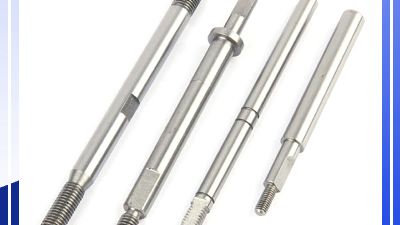
Looking to compare auto shaft manufacturers in China? A good starting point is checking out Auto Shaft Suppliers and Prices. It’s a pretty helpful way to get a sense of different driveline suppliers, what factories can do, and how much things usually cost. When it comes to auto shafts, they need to smoothly transfer torque—not just under steady conditions, but also when loads change, roads get bumpy, or temperatures swing around. And trust me, their quality depends on more than just the steel grade. Things like tube thickness, spline precision, weld quality, balancing, and corrosion resistance all play a part in how long they last. The little details really do matter here.
Dr. Peter Avitabile, a well-respected expert in vibration analysis, always says something useful: “Good measurements turn hidden vibration into visible evidence.” That totally applies when you're looking at auto shafts, too. Trusted manufacturers rely on methods like dynamic balancing, dimensional checks, hardness tests, and keeping thorough process records. Companies like Dana, GKN Automotive, and Neapco show that engineering proof really counts—not just how big they are or how many units they produce. Chinese suppliers might be tempting because they often offer lower prices, quick customization, and smooth export support. But hey, it’s always smart to verify what they actually have—don’t just go on what their websites say.
When it comes to pricing, things can get confusing. A really cheap quote might skip on costs like tooling, packaging, testing, or after-sales support. Conversely, a more expensive quote could include better materials or more detailed tracking. So, don’t jump to the cheapest option without thinking—it usually isn’t the full story. Visiting factories, testing samples, reviewing drawings, and checking warranty details can help you avoid surprises. Still, no list of suppliers is perfect—the rankings change, and prices in ads can get outdated pretty fast. That’s something to keep in mind.
This guide takes all that into account—looking at manufacturer experience, technical skills, proof of quality, delivery reliability, and overall value for your money. And it asks a tough, but important question: is paying less per unit worth it if it leads to vibration issues, early wear, or poor fitting, which can cause expensive downtime later on?
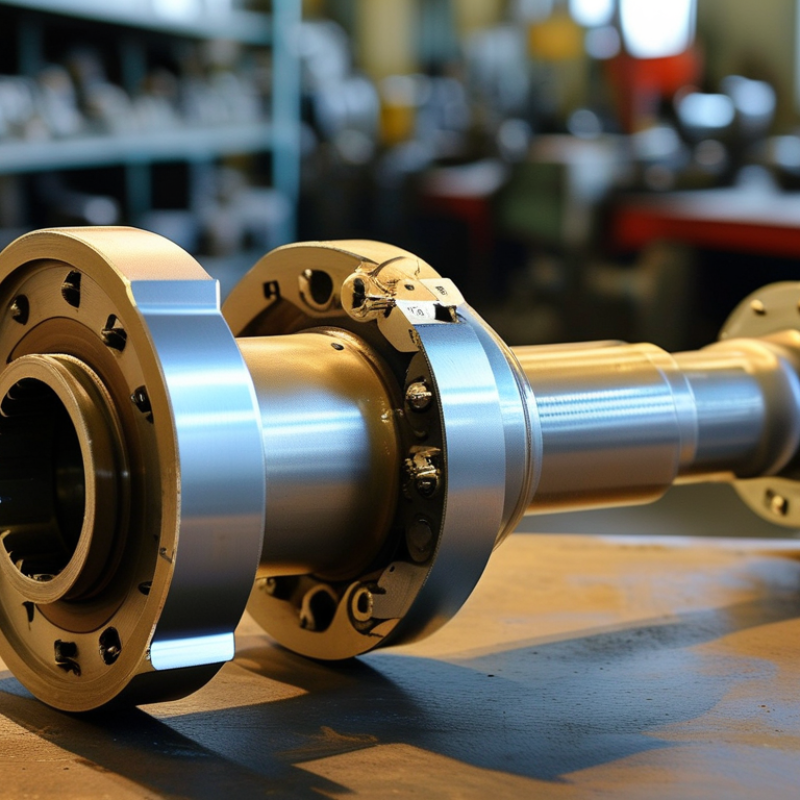
An automotive shaft transfers torque between the transmission, differential, and wheels. In practical terms, it turns engine power into controlled movement. A damaged Auto Drive Shaft may cause vibration, clunking, or uneven acceleration. The warning can begin quietly.
The shaft must withstand torsion, impact, heat, and repeated changes in angle. Its joints also support smooth suspension movement. The U.S. Department of Energy reports that drivetrain losses can significantly reduce vehicle efficiency, especially under changing loads. Shaft balance and joint condition therefore affect more than comfort. They can influence energy use, tire wear, and component life.
The International Energy Agency recorded almost 14 million electric car sales worldwide in 2023. This shift changes shaft design, but it does not remove the need for durable half-shafts and constant-velocity joints. Electric motors deliver instant torque. That creates demanding load cycles.
Material choice matters.
High-strength steel can provide durability at a reasonable price. Aluminum may reduce weight, but it needs careful fatigue testing. According to SAE engineering guidance, rotating components require accurate balancing and validated vibration testing. A low-cost shaft is not always economical after installation, alignment, or warranty problems. This is where purchasing decisions can become imperfect. Price lists rarely show noise risk, heat exposure, or joint sealing quality. Engineers should compare torque ratings, test records, dimensional tolerances, and supplier inspection procedures before selecting an automotive shaft.
China Best Auto Shaft Manufacturers Suppliers and Prices
Chinese factories manufacture several auto shaft types for passenger cars, trucks, and electric vehicles. Common products include propeller shafts, half shafts, CV axle shafts, steering shafts, and intermediate shafts. Solid shafts suit heavy loads, while hollow shafts reduce weight and rotational inertia. Splined shafts improve torque transfer between connected components. China Automotive Industry Association reported 31.28 million vehicles produced in 2024. This large output supports broad shaft production and process specialization. The International Energy Agency reported that China represented over 60% of global electric car sales in 2023. Electric platforms increasingly require lightweight, precisely balanced shafts.
Tips: Match the shaft to torque, speed, suspension travel, and vehicle weight. Check spline count, material grade, surface treatment, and dynamic balance data. Ask for fatigue-test results, not only tensile strength. A low price can hide poor heat treatment. That mistake becomes expensive.
Manufacturers commonly use forged alloy steel, precision machining, induction hardening, and automated balancing. CV shafts need accurate joint geometry and reliable boot sealing. Propeller shafts require strict runout control, especially at high speeds. Prices vary with steel grade, shaft length, machining tolerance, order quantity, and testing requirements. CAAM’s production data shows market scale, but it does not guarantee every supplier’s consistency. Buyers should review traceability records, sample measurements, and third-party inspection reports. Even experienced purchasers can overlook vibration performance during early sampling. A practical trial remains necessary.
China’s auto shaft manufacturing industry often begins with material selection and a review of the vehicle’s load requirements. Engineers commonly choose alloy steel for strength, fatigue resistance, and stable performance. Production teams inspect incoming bars for surface cracks, hardness variation, and chemical consistency. Small errors here can become expensive later.
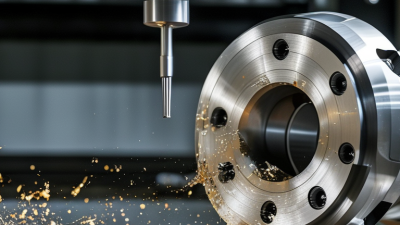
Forging or cold forming creates the shaft’s basic shape. CNC turning then removes excess metal and establishes accurate diameters. Many suppliers also produce Cnc Auto Parts through spline milling, drilling, grinding, and automated balancing. Each process needs controlled measurements. A shaft may look perfect, yet fail if its runout exceeds the specified tolerance. Heat treatment improves hardness and toughness, while shot peening can reduce surface fatigue risks.
Quality control usually includes dimensional inspection, hardness testing, magnetic particle testing, and dynamic balancing. Experienced factories keep process records for each production batch. They also compare samples against technical drawings before shipment. Pricing depends on steel grade, shaft design, tooling, tolerance, testing, and order volume. A low quotation deserves careful review. It may exclude heat treatment, packaging, or final inspection. Even reliable production systems need improvement; tool wear, operator judgment, and transport damage can still affect results. Clear drawings and practical communication reduce these weaknesses.
| Auto Shaft Type | Typical Vehicle Application | Common Material | Typical Size Range | Main Manufacturing Processes | Indicative China Export Price1 | Typical Production Lead Time | Key Quality Checks |
|---|---|---|---|---|---|---|---|
| Passenger-Car Drive Shaft | Front-wheel-drive and rear-wheel-drive passenger cars | Medium-carbon alloy steel, commonly equivalent to 40Cr or 42CrMo grades | Outer diameter: 25–65 mm Overall length: 350–1,000 mm |
Precision forging, CNC turning, spline rolling or broaching, heat treatment, dynamic balancing | US$35–110 per piece | 25–45 days for repeat production; tooling may add 10–20 days | Runout, spline profile, hardness, torsional strength, balance and dimensional inspection |
| Light-Commercial-Vehicle Propeller Shaft | Vans, pickups, small trucks and utility vehicles | Alloy steel tube with forged steel yokes and flanges | Tube diameter: 50–90 mm Overall length: 700–1,800 mm |
Tube forming, friction or MIG welding, machining, heat treatment, balancing and coating | US$80–220 per piece | 30–50 days, depending on tube diameter and joint configuration | Weld penetration, flange position, concentricity, balance, corrosion protection and noise testing |
| Heavy-Truck Propeller Shaft | Medium-duty and heavy-duty commercial trucks | High-strength alloy steel; large assemblies may use seamless or formed steel tubing | Tube diameter: 75–150 mm Overall length: 1,000–3,000 mm |
Tube cutting, yoke forging, precision welding, splining, shot blasting, balancing and painting | US$180–650 per piece | 35–60 days for standard configurations | Torsional fatigue, weld inspection, critical-speed balance, shaft runout and load testing |
| CV Axle Shaft | Independent-suspension passenger cars and sport-utility vehicles | Chromium-molybdenum or medium-carbon alloy steel | Shaft diameter: 20–45 mm Overall length: 300–900 mm |
Cold or hot forging, spline forming, induction hardening, grinding and corrosion protection | US$45–150 per piece | 30–50 days, including prototype validation where required | Spline accuracy, case depth, hardness, fatigue strength, joint articulation and boot sealing |
| Steering Shaft | Steering columns for passenger and commercial vehicles | Low-carbon or medium-carbon steel; some designs use aluminum components | Outer diameter: 18–40 mm Overall length: 300–1,200 mm |
Tube drawing, CNC machining, spline forming, welding, coating and assembly | US$25–95 per piece | 25–45 days for established designs | Collapsibility, torque transmission, spline fit, weld quality, corrosion resistance and dimensional accuracy |
| Electric-Drive Axle Shaft | Battery-electric and hybrid vehicle drive units | High-strength alloy steel with tightly controlled heat treatment | Shaft diameter: 25–60 mm Overall length: 250–850 mm |
Closed-die forging, precision spline forming, grinding, induction hardening and cleanliness control | US$70–240 per piece | 40–70 days for new programs; validation requirements can extend schedules | Surface cleanliness, dimensional capability, fatigue life, spline noise, balance and electromagnetic compatibility of the assembly |
| Agricultural and Off-Road PTO Shaft | Tractors, construction equipment and off-road machinery | Alloy steel with protective guards and forged universal-joint components | Tube diameter: 35–100 mm Overall length: 400–2,500 mm |
Tube forming, forging, machining, welding, balancing, painting and guard assembly | US$60–280 per piece | 25–50 days for standard sizes | Torque capacity, telescoping travel, guard safety, balance, joint articulation and fatigue resistance |
Industry purchasing reference: Chinese auto shaft production generally combines forging or tube forming, CNC machining, spline production, controlled heat treatment, balancing, surface protection and final inspection.
1 Prices are indicative factory-export ranges in USD per piece for standard or moderately customized products. Actual quotations vary according to material grade, shaft geometry, tolerances, testing requirements, order quantity, packaging, tooling, delivery terms and certification requirements.
Common buyer requirements: technical drawings or samples, material certificates, inspection reports, production samples, traceability records and compliance with applicable vehicle safety and quality standards.
Choosing the best Chinese auto shaft supplier starts with engineering evidence, not attractive prices. Ask for material certificates, process sheets, and dimensional inspection reports for each shaft type. A capable factory should explain steel grades, heat treatment, spline accuracy, balancing, and surface protection clearly. Auto Parts Machining requires repeatable tolerances, stable fixtures, and skilled inspection staff. Request sample parts before approving mass production. Measure runout, hardness, spline fit, and flange alignment.
Price comparisons should include tooling, packaging, freight, rejected parts, and replacement procedures. A low quotation may exclude testing or corrosion protection. Confirm production capacity through recent order records and machine lists. Useful evidence includes calibrated gauges, coordinate measuring equipment, and traceable inspection data. Ask how the supplier controls subcontracted heat treatment. This step is easy to overlook. It can affect fatigue performance significantly. Communication also matters. Technical drawings should receive written feedback within an agreed time.
Reliability becomes clearer during a factory audit or live video inspection. Check incoming material storage, marking systems, cleanliness, and packing strength. Speak with the quality engineer, not only a sales contact. A written quality agreement should define tolerances, sampling levels, corrective actions, and shipment records. Verify export documents and payment terms carefully. I would not choose solely from polished samples. Samples can mislead. A smaller pilot order may reveal delays, tool wear, or inconsistent finishing.
Auto shaft quality starts with material traceability, not visual shine. The 2024 U.S. Department of Energy Vehicle Technologies Market Report notes faster electrification and higher instant torque in modern vehicles. These loads can expose weak splines, poor heat treatment, and small alignment errors. Manufacturers should verify steel chemistry, hardness, case depth, and tensile strength for every controlled batch. Shaft Cnc machining must also control journal diameter, runout, and spline form. A 0.03 mm deviation may create vibration after assembly.
Testing should follow recognized engineering methods. ISO 21940 provides balancing requirements, with G16 or G6.3 grades often selected according to shaft speed and design risk. ASTM E8 supports tensile testing, while ASTM E466 is widely used for constant-amplitude fatigue evaluation. Dynamic torsion testing should record torque, angle, cycle count, and fracture location. Sampling plans can follow ISO 2859-1, but critical shafts deserve tighter inspection than ordinary cosmetic parts. More samples cost money.
Do not trust one test.
A reliable supplier combines dimensional reports, hardness maps, magnetic-particle inspection, and final balancing records. IATF 16949 principles also require calibrated equipment, process control, and corrective-action evidence. In practice, a polished shaft may still contain subsurface defects. That is where my own review would remain cautious: fatigue results from smooth laboratory specimens rarely represent corrosion, misalignment, or repeated road shocks. Test fixtures should reproduce real joints, temperature changes, and contamination whenever possible.
China auto shaft prices vary widely because specifications rarely stay simple. In 2024, China produced 31.28 million vehicles and sold 31.44 million, according to the China Association of Automobile Manufacturers. This large manufacturing base supports competitive quotations, but not every low offer represents equal value. Indicative ex-works prices for standard passenger-car drive shafts often range from USD 45 to USD 140 per unit. Heavy-duty or customized shafts can exceed USD 300.
Material choice is a major cost driver. Carbon steel usually costs less than alloy steel, while aluminum and advanced heat-treated materials raise the quotation. The World Steel Association reported global steel demand of about 1.74 billion tonnes in 2024, showing how large market movements can influence input costs. Forging complexity, spline count, tube diameter, balancing requirements, and corrosion protection also matter. A shaft requiring tighter runout control needs more machining and inspection. Small order quantities add tooling and setup costs.
Shipping, packaging, testing, and payment terms can change the final landed price. A professional supplier should provide hardness results, dimensional records, balancing data, and traceability documents. ISO 9001 certification is useful, but it does not replace product-level inspection. Buyers often compare only unit prices. That is a mistake. In practice, warranty risk and rejected shipments may cost more than the original saving. Some quotations look attractive because testing or packaging is excluded. Price comparisons remain imperfect without identical drawings, materials, quantities, and delivery terms.
Custom CNC precision machined shafts are essential components in automation, robotics, motors, pumps, and industrial equipment, where dimensional accuracy and consistent performance directly affect assembly reliability. According to MarketsandMarkets, the global CNC machine market is projected to grow from approximately USD 88.5 billion in 2023 to USD 128.9 billion by 2028, reflecting a compound annual growth rate of about 7.8%. This expansion highlights the increasing demand for dependable, precisely manufactured components and stable supply chains.
Working directly with a China factory can provide practical advantages for buyers seeking custom CNC precision machined shafts. A qualified manufacturing team can support material selection, shaft diameter and length customization, threading, keyways, grooves, surface treatments, and tolerance control according to specific application requirements. Direct communication also helps reduce misunderstandings, improve production efficiency, and maintain competitive factory pricing. Rigorous inspection procedures, including dimensional verification and material checks, help ensure consistent quality across production batches. Samples may be provided for testing and approval before larger orders, while technical support assists with design refinement and manufacturability. For companies requiring reliable quality, flexible customization, and dependable delivery, factory-direct cooperation offers an efficient sourcing solution.
: It transfers torque from the transmission through the differential to the wheels. The shaft turns power into movement.
Common signs include vibration, clunking sounds, and uneven acceleration. Warnings may start quietly.
Poor balance can increase vibration, tire wear, and drivetrain energy losses. Comfort is not the only concern.
Electric motors deliver instant torque, creating demanding and repeated load cycles. Durable half-shafts remain necessary.
High-strength steel offers durability and reasonable cost. Aluminum reduces weight but needs careful fatigue testing. Neither material is perfect.
Production may include forging, cold forming, CNC turning, spline milling, grinding, heat treatment, and balancing. Small errors can become expensive.
Request dimensional checks, hardness tests, magnetic particle testing, and dynamic balancing records. Runout results matter greatly.
Include tooling, packaging, freight, testing, rejected parts, and replacement procedures. A low quote may hide missing services.
Ask for material certificates, process sheets, inspection reports, technical drawings, and shipment records. Evidence beats attractive samples.
Use a factory audit or live video inspection. Check material storage, machine capacity, gauges, packing strength, and batch records. Samples can mislead.
An Auto Shaft is a critical mechanical component that transfers power and torque between different parts of a vehicle, directly affecting driving performance, stability, and safety. Chinese manufacturers produce various types, including drive shafts, axle shafts, steering shafts, and customized shafts for passenger cars, commercial vehicles, and industrial applications. Their production process typically combines material selection, precision forging or machining, heat treatment, surface finishing, assembly, and final inspection.
When choosing a Chinese Auto Shaft supplier, buyers should evaluate manufacturing capacity, technical expertise, quality control systems, production consistency, and communication efficiency. Reliable suppliers follow recognized quality standards and conduct dimensional checks, hardness testing, balance testing, fatigue testing, and load assessments to ensure dependable performance. Auto Shaft prices in China vary according to material, design complexity, size, processing technology, order quantity, testing requirements, and customization level. Comparing suppliers based on both cost and long-term quality is essential for achieving reliable value.