So, you're wondering about China’s top custom CNC machining parts manufacturers? Well, that question isn’t just about comparing prices. You really need some solid proof, transparent processes, and consistent engineering control to make a good call. These custom CNC parts are used in all sorts of places — from aerospace brackets and medical housings to robotics frames and precise automotive fixtures. And here’s the thing: each application demands different tolerances, materials, finishes, and inspection methods, so it’s not a one-size-fits-all deal.
I came across a report from Grand View Research saying the global CNC machine market hit about $83 billion in 2023. They’re also projecting steady growth through 2030, mainly thanks to automation and smarter manufacturing. Meanwhile, Fortune Business Insights points out that sectors like aerospace, automotive, and industrial equipment are driving most of the demand. But hey, don’t take these figures as gospel—market reports can vary because they use different definitions and methods. It’s always a good idea to double-check the numbers.
Yoram Koren, a renowned expert and Emeritus Professor at the University of Michigan, once said, “Reconfigurable manufacturing systems are designed for rapid adjustments to market changes.” That’s pretty relevant when your order volume for stainless steel components fluctuates. A trustworthy supplier should be able to provide material certificates, first-article inspection reports, CMM results, and traceable process documentation. Plus, at Chinese manufacturers especially, practical experience counts. Sometimes, a skilled machinist noticing a tiny burr near a thin wall can prevent bigger issues down the line.
Of course, no supplier’s perfect. Drawings might be unclear, forecasts can shift, and sometimes communication breaks down. That’s why this guide looks at China’s top CNC machining manufacturers based on their capabilities, quality systems, lead times, materials, and the proof customers have provided. The point isn’t to pick a “winner” too quickly but to find a partner who can consistently turn a digital model into reliable, high-quality parts—no matter what the project demands.
What Defines a Top Custom CNC Machined Parts Manufacturer in China
What Defines a Top Custom CNC Machined Parts Manufacturer in China
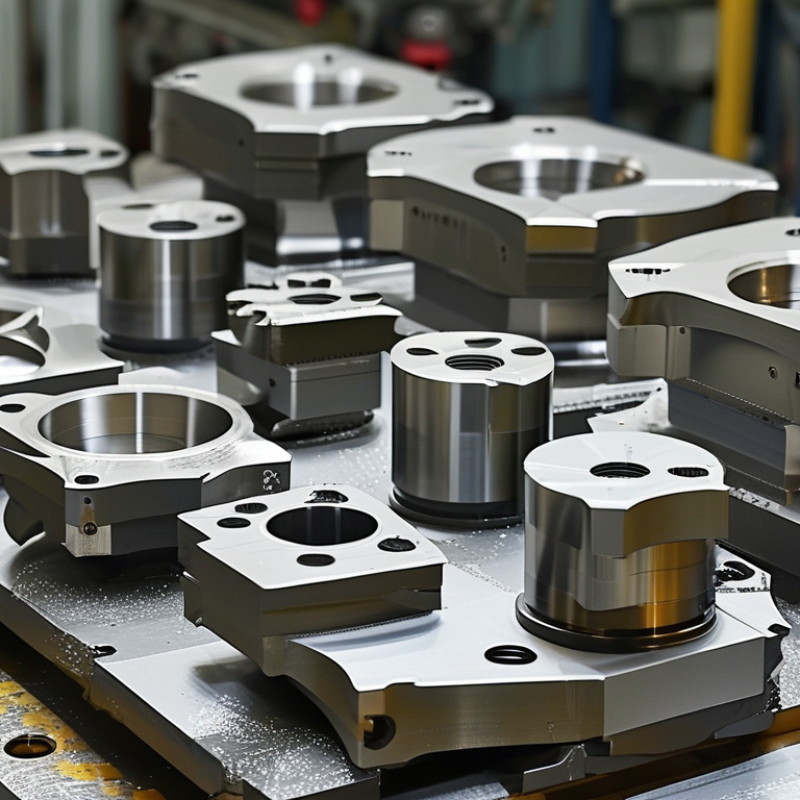
A top Chinese manufacturer proves capability through repeatable results, not attractive promises. In practice, I look for calibrated machines, documented work instructions, and technicians who understand material behavior. A sample part should show clean threads, controlled burrs, and consistent surface finishing. Custom CNC Milled Aluminum Parts demand special care because thin walls can distort during clamping. A reliable factory explains these risks before production begins.
Industry demand is expanding. Fortune Business Insights valued the global CNC machine market at approximately 83.99 billion US dollars in 2023. Its 2024 report projects 128.86 billion dollars by 2032. This growth increases supplier choices, but also makes verification essential. The ISO Survey 2022 recorded 1,265,216 ISO 9001 certificates worldwide. Certification helps, yet it cannot replace production evidence. Ask for inspection records, material certificates, first-article reports, and traceability from raw stock to shipment.
Strong suppliers use coordinate measuring machines, statistical checks, and controlled revision systems. They should discuss tolerance stack-up, anodizing thickness, and packaging protection with practical detail. A scratched housing may pass dimensional inspection but still fail your assembly line. That detail matters. No factory is perfect. I have seen capable teams miss a small chamfer after an engineering change. The difference is honest reporting, root-cause analysis, and corrective action before mass production. A top partner welcomes difficult questions and provides measurable answers.
China Top Custom CNC Machined Parts Manufacturer? - What Defines a Top Custom CNC Machined Parts Manufacturer in China
Core CNC Machining Services and Production Capabilities
China Top Custom CNC Machined Parts Manufacturer?
Core CNC Machining Services and Production Capabilities
Custom CNC machining turns digital drawings into accurate metal and plastic components. Our production work covers CNC milling, CNC turning, drilling, tapping, and multi-axis machining. We support prototypes, small batches, and repeat production runs. Each job begins with drawing review, material confirmation, tolerance checks, and process planning.
Practical experience matters here. A thin wall may deform during cutting. A deep hole may collect chips. Sharp internal corners can also increase machining time. We inspect these details before production, not after failure. Machines with three, four, and five axes handle different part geometries. Turning centers produce shafts, bushings, threads, and concentric components efficiently.
Quality control uses calibrated measuring tools, including height gauges, micrometers, calipers, and coordinate measurement equipment. Operators compare critical dimensions against approved drawings. Surface finish, burrs, flatness, and hole position receive attention. Material certificates and inspection records can support traceability.
Details matter most.
Still, no machining process is flawless. Tool wear, heat, and fixture movement can affect results. We review unusual defects instead of hiding them. Sometimes, an earlier design assumption needs correction. That honest feedback can improve manufacturability, reduce waste, and create a more stable production method. Clear communication remains essential when tolerances are tight or specifications are incomplete.
Materials, Tolerances, and Surface Finishing Options
China Top Custom CNC Machined Parts Manufacturer?
Materials, Tolerances, and Surface Finishing Options
Choosing a CNC machining partner starts with material behavior, not only machine capacity. Aluminum 6061 suits lightweight housings and brackets. Stainless steel 304 handles moisture and everyday mechanical loads. For higher strength, 7075 aluminum may perform better, but it costs more and needs careful finishing. Custom Automotive Components often require stable materials, clear traceability, and consistent batch performance. Material certificates should accompany production records.
Tolerance decisions should match the part’s function. A shaft seat may need ±0.01 mm, while a noncritical cover may work at ±0.05 mm. Tighter limits increase machining time, inspection effort, and scrap risk. More precise is not always better. In practical projects, engineers should identify datums, mating surfaces, and inspection points before approving drawings. Coordinate measuring machines, calibrated micrometers, and first-article checks help confirm actual results.
Surface treatment changes both appearance and service life. Anodizing can improve aluminum wear resistance and provide a uniform color. Passivation helps protect stainless steel after machining. Bead blasting creates a soft, matte texture, while polishing reduces visible tool marks. Small burrs can remain around cross-drilled holes if deburring instructions are vague. That detail is easy to overlook. Clear requirements for roughness, edge breaks, masking, and cosmetic limits prevent avoidable disputes. A reliable manufacturer should also explain when a requested finish may affect dimensions.
China Top Custom CNC Machined Parts Manufacturer? – Materials, Tolerances, and Surface Finishing Options
The chart presents representative dimensional tolerance ranges commonly associated with CNC machining processes.
Standard CNC milling and turning are suitable for many aluminum 6061, stainless steel 304, and engineering plastic parts,
while precision turning, milling, and surface grinding are typically selected for tighter requirements.
Common finishing options include anodizing for aluminum, passivation for stainless steel, polishing for improved appearance,
and bead blasting for a uniform matte texture. Actual results depend on part geometry, material condition, equipment, and inspection method.
Quality Control Standards and Industry Certifications
China Top Custom CNC Machined Parts Manufacturer?
Quality Control Standards and Industry Certifications
Reliable CNC machining begins with controlled evidence, not attractive claims. The ISO Survey 2023 recorded 1,265,711 ISO 9001 certificates across 188 countries and economies. This scale shows quality management remains a global purchasing requirement. A capable manufacturer should maintain documented procedures, operator training, inspection records, and corrective-action reports.
Every production batch deserves traceability. Material certificates should match the purchase order and drawing requirements. Calibrated micrometers, height gauges, and CMM equipment verify critical dimensions. First-article inspection can confirm the process before full production. For aerospace work, AS9100 adds stronger controls for risk, configuration, and nonconforming parts. Medical components may require ISO 13485, while automotive programs often expect IATF 16949 practices and PPAP documentation.
Certification alone cannot guarantee a perfect part. That is an uncomfortable but important point. Audits review systems; they do not measure every surface. Our inspection plans still need adjustment when tolerances are unusually tight or geometries change. Statistical process control, sampling records, and visual checks help expose variation early. According to the 2023 Global Quality Report, quality teams increasingly connect testing data with production decisions, rather than treating inspection as a final gate. Human judgment remains necessary. Machines detect patterns, but experienced inspectors question unexpected results.
Custom Design Support, Prototyping, and Engineering Services
A reliable CNC machining partner does more than follow a drawing. It helps turn an early concept into a practical, manufacturable part. Experienced engineers review wall thickness, tool access, thread depth, and material behavior before production begins. These details can prevent costly changes later.
Custom design support is valuable during uncertain stages. A 3D model may look complete, yet small features can create machining difficulties. Our engineering team can suggest simpler geometries, suitable stainless steel grades, and realistic tolerances. For
Custom Stainless Steel Turned Components,
we consider bar stock size, surface finish, burr control, and inspection points.
Prototype parts provide physical evidence. They reveal fit, movement, and assembly issues that screens cannot show.
Small batches need careful attention. We check critical dimensions with calibrated micrometers, gauges, and coordinate measuring equipment when required. Inspection records can support consistent communication between design and production teams.
A first prototype is rarely perfect. That is normal. We review the result, question our assumptions, and adjust the process before scaling up. Sometimes, a less complex feature performs better. Practical engineering should respect both performance and production cost.
Production Workflow, Lead Times, and Order Management
A reliable China-based supplier of Cnc Machined Parts should make production easy to track. The workflow usually starts with drawing review, material confirmation, and tolerance analysis. Engineers may question sharp internal corners or unusually tight dimensions. These details affect tool selection, machining time, and inspection costs.
After approval, raw material is prepared and the CNC program is tested. A small first article can reveal fixture problems before full production. Lead times often range from seven to twenty-five working days, depending on quantity, surface treatment, and inspection requirements. Complex aluminum housings may need several setups. Stainless steel parts can take longer. Delays still happen, especially when drawings change late. That is a practical weakness worth discussing openly.
Tips:Send 3D files, 2D drawings, material grades, and surface requirements together. Mark critical dimensions clearly. Ask for a production schedule with milestone dates. Confirm whether inspection reports and packaging photos are included. Keep one person responsible for order communication. This prevents conflicting revisions. A shared revision number also helps.
Order management should continue after machining begins. Request updates when materials arrive, first samples are inspected, and finishing is completed. Experienced suppliers can explain deviations with measurement data, not vague promises. Before shipment, verify quantities, labels, protective packaging, and documentation. A short video of packed Cnc Machined Parts may prevent an expensive misunderstanding. Small checks matter.
How to Evaluate and Select a Reliable Chinese Manufacturer
China Top Custom CNC Machined Parts Manufacturer?
How to Evaluate and Select a Reliable Chinese Manufacturer
Choosing a Chinese CNC machining partner requires more than comparing prices. Request drawings, material specifications, tolerances, surface finishes, and expected volumes before requesting quotations. A capable manufacturer should review your design and identify machining risks, weak walls, difficult internal corners, or unnecessary tolerances. That conversation reveals technical experience.
Ask how quality is controlled on the shop floor. Look for documented inspection procedures, calibrated measuring equipment, material traceability, and clear records for every batch. Request sample reports from a coordinate measuring machine, but verify that the report matches your actual parts. Certifications can support credibility, yet they cannot replace production evidence. A factory tour, live video inspection, or independent audit adds useful confidence.
Check the supplier’s process, not only its machinery list. Confirm who handles programming, first-article approval, surface treatment, packaging, and final inspection. Discuss realistic lead times, revision control, rejected parts, and corrective actions in writing. Small details matter.
Communication matters too. Ask technical questions and measure the response quality. Vague answers may signal weak process control. I once treated a low quote as a major advantage; later, unclear tolerance assumptions created avoidable rework. That mistake changed my evaluation method. A slightly higher price may protect delivery, consistency, and engineering time. Before placing a large order, use a small trial batch with defined acceptance criteria.
Precision Aluminum CNC Turning Parts: Benefits, Applications, and Selection Guide
Precision aluminum CNC turning parts combine low weight, corrosion resistance, and reliable dimensional accuracy, making them suitable for electronics housings, automotive fittings, aerospace components, medical devices, and industrial automation. The International Aluminium Institute projects that global aluminum demand could increase by approximately 80% by 2050, driven by transport electrification, renewable energy, and lightweight manufacturing. These trends are increasing demand for accurately machined aluminum parts with consistent surface quality and repeatable tolerances.
Selecting the right part requires evaluating alloy, geometry, tolerance, surface treatment, and expected operating conditions. 6061 aluminum is a versatile choice for general mechanical components, while 7075 offers higher strength for demanding applications. For complex features, CNC turning can be combined with milling, drilling, threading, or secondary deburring. An experienced supplier should also recommend suitable cutting tools, spindle speeds, workholding methods, and finishes such as anodizing to improve wear and corrosion resistance.
Industry data from the U.S. Department of Energy indicates that recycling aluminum requires only about 5% of the energy used to produce primary aluminum, supporting its sustainability advantages. With 70% of production dedicated to aluminum, a specialized machining team can provide informed guidance on material behavior, tooling, process optimization, and cost control. Customers can submit technical drawings for engineering review, manufacturability recommendations, and a detailed quotation tailored to the required quantity and specifications.
FAQS
Repeatable parts matter more than attractive promises. Check calibrated machines, documented instructions, and trained technicians. Review threads, burrs, and surface finishes on sample parts. Evidence beats confidence.
Request material certificates, inspection records, first-article reports, and shipment traceability. These documents connect raw stock with finished parts. Certification helps, but production evidence matters more.
Engineers can review wall thickness, tool access, thread depth, and material behavior. They may suggest simpler features or more realistic tolerances. A 3D model can look complete but still machine poorly.
Prototypes reveal fit, movement, clamping, and assembly problems. A screen cannot show every physical weakness. The first sample is rarely perfect. That is normal, but assumptions need review.
Quantity, material, surface treatment, inspection, and part complexity all influence timing. Typical production may take seven to twenty-five working days. Several setups can slow complex housings. Late drawing changes create avoidable delays.
Send 3D files, 2D drawings, material grades, and surface requirements together. Mark critical dimensions clearly. Use one revision number and one communication owner. Conflicting files cause expensive confusion.
The supplier should discuss clamping pressure and wall flexibility before production. Thin walls can move during machining. Tool paths, fixtures, and inspection checks need careful control. Sometimes, the design needs adjustment.
Verify quantities, labels, inspection documents, and protective packaging. Ask for packaging photos or a short packing video. A dimensionally correct part can still arrive scratched. That detail is easy to underestimate.
Conclusion
Choosing a top Custom CNC Machined Parts manufacturer in China requires more than comparing prices. A reliable partner should offer advanced CNC milling, turning, drilling, and multi-axis machining capabilities, along with experience in producing both prototypes and high-volume components. They should support a wide range of materials, maintain precise tolerances, and provide finishing options such as anodizing, plating, polishing, and powder coating. Strong quality control, documented inspection procedures, and relevant industry certifications are also essential for consistent results.
A capable manufacturer should provide design-for-manufacturing guidance, engineering support, rapid prototyping, and clear communication throughout the project. Their production workflow should include material verification, in-process inspection, final testing, secure packaging, and dependable order management. When evaluating suppliers, consider technical expertise, equipment, quality systems, lead times, communication, production flexibility, and transparency. The best choice is a manufacturer that can transform your drawings into accurate, durable parts while maintaining stable quality and professional service from initial consultation through delivery.