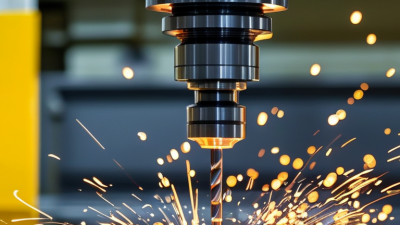
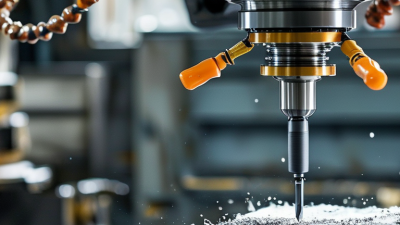
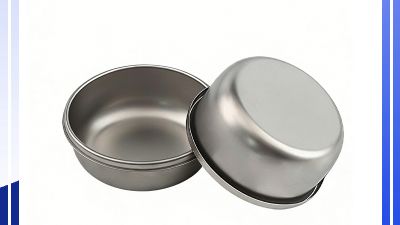
Picking a Precision Machining partner isn't just about comparing hourly rates—it’s really about trust, consistency, and good communication. A solid supplier should get your drawings, materials, tolerances, and even the potential risks involved before giving you a quote. Don’t hesitate to ask how they keep critical dimensions in check, how they document inspections, and what their process is if a part doesn’t turn out right.
Look for tangible proof—things like sample inspection reports, material certificates, calibration records, and clear process plans. Modern tools like CMMs, optical comparators, and surface finish testers are your friends here—they help verify if the parts actually meet the specs. For instance, if a shop is making aerospace brackets, they should be able to explain how they stay within a ±0.01 mm tolerance, even across large batches. And honestly, experience counts a lot—machines are great, but they don’t magically catch all mistakes.
Don’t forget to check out the supplier’s quality system too. Certifications like ISO 9001 can be reassuring, but they don’t guarantee everything—what really matters is how disciplined their processes are. Ask for references from customers with similar production needs and volumes. Find out about their lead times, support during engineering, how they package parts, and whether they can trace everything if needed. And don’t shy away from questions about what happens if a part doesn’t meet standards—sometimes, their responses tell you more than a shiny website.
Of course, no one’s perfect. Just because they nail a prototype doesn’t mean there won’t be hiccups when scaling up to full production. It’s worth keeping that in mind. A good supplier will be honest about their limitations, suggest ways to fix issues, and let you know about delays as early as possible. When evaluating, look at their capacity, inspection routines, and technical know-how together. The best partner isn’t always the biggest or the cheapest—it’s the one you can trust to deliver consistent quality, explain their choices, and learn from mistakes to get better.
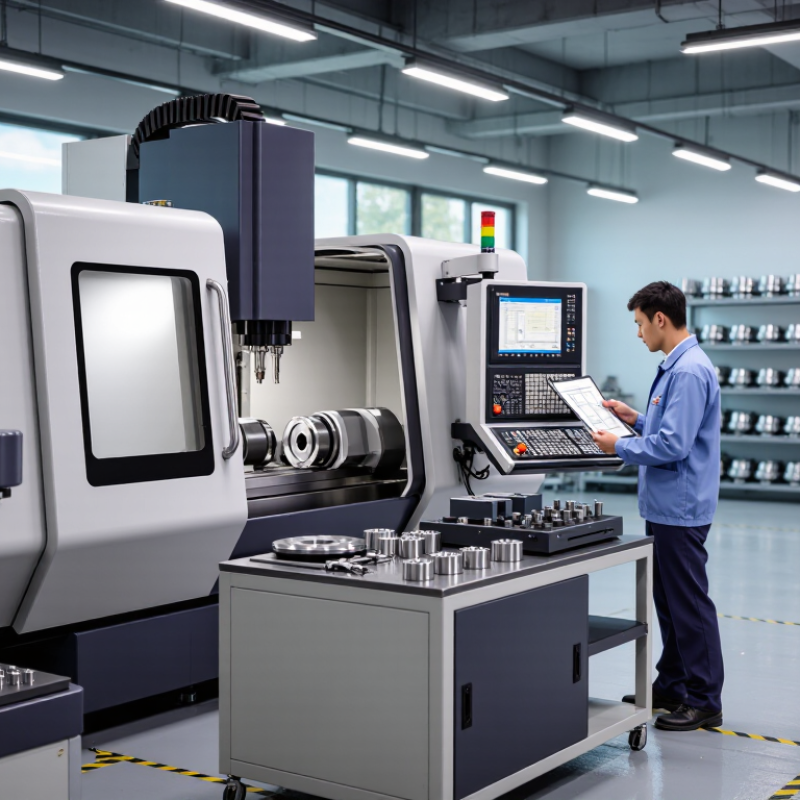
Define Your Precision Machining Requirements
Begin with the part’s job, not only its shape. State the load, rotation speed, operating temperature, and expected service life. Define material grade, shaft diameter, overall length, thread details, and surface finish. For a Precision Stainless Steel Machining Shaft, specify corrosion exposure and hardness requirements. Tolerances should match performance needs, not guesswork. Excessively tight tolerances can increase cost without improving function.
A complete drawing should include datums, critical dimensions, edge conditions, and inspection points. Mention heat treatment, passivation, balancing, or special packaging when applicable. Provide the latest revision and a clear quantity forecast. In practical supplier reviews, unclear revisions often cause more delays than difficult machining. Small details matter. A clean drawing can still hide missing requirements.
Tips: Ask the supplier to review your drawing before quoting. Request a sample inspection report, material certificate, and measurement method for critical features. Confirm how they control runout, concentricity, and surface roughness. If the part enters a clean or corrosive environment, explain that early. Do not choose tolerances from an old project without checking the real assembly. That shortcut sometimes fails. Also, define acceptance limits in writing, including permitted marks, burrs, and dimensional variation.
When choosing a precision machining supplier, inspect the factory, not just its website. Manufacturing capability begins with equipment, process control, and measurable experience. Ask whether the supplier routinely produces Precision Machining Parts with your materials, tolerances, and surface requirements. A capable shop should explain its machine envelope, spindle accuracy, tooling strategy, and realistic batch capacity.
Request recent sample inspection reports. Check the measurement method, not only the final numbers. For a 0.02 mm bore tolerance, the supplier should identify the gauge, calibration status, and inspection frequency. The ISO Survey 2023 recorded more than 1.2 million ISO 9001 certificates worldwide. Certification helps, but it does not replace technical evidence. Walk the floor. Look for labeled materials, controlled work instructions, and traceable inspection records.
The 2023 National Institute of Standards and Technology manufacturing report highlights quality systems, technology adoption, and workforce capability as recurring improvement areas. Ask how operators manage tool wear, temperature changes, and first-article approval. A supplier should also describe corrective actions using actual examples. Numbers can mislead. A polished capability deck can still hide weak process discipline. I still verify manually. Review five production records, if possible, and compare promised cycle time with documented output. Small gaps often become expensive delays during repeat orders.
When choosing a supplier for Machining Precision Parts, inspect the quality system before reviewing the equipment list. The ISO Survey 2022 recorded more than 1.2 million ISO 9001 certificates worldwide. That figure shows broad adoption, not guaranteed performance. Request the supplier’s valid certificate, scope, audit results, and corrective-action records. The certificate must cover machining and inspection activities.
Ask how requirements move from drawing to inspection report. A reliable supplier should control revisions, identify materials, and maintain lot traceability. Check whether critical dimensions use calibrated CMMs, micrometers, or gauges. ISO/IEC 17025 accreditation strengthens confidence in calibration laboratories. Still, accreditation alone does not prove every measurement is suitable. The measurement range matters.
Review the inspection plan in detail. It should define sampling levels, acceptance limits, datum references, and nonconformance handling. For geometric tolerances, ask whether inspectors apply ASME Y14.5 or the specified national standard consistently. Request gauge repeatability and reproducibility studies for tight features. A small measurement error can hide a large process problem. The supplier should also provide first-article inspection data and process capability results, such as Cpk, when required.
Be cautious with impressive dashboards. One missing signature, unclear revision, or late calibration record may reveal weak discipline. No quality system is perfect. That is worth discussing openly. A supplier willing to show failures, investigation notes, and preventive actions may be more reliable than one showing only flawless samples.
A capable supplier begins with materials, not a polished website. Ask for heat-lot certificates, alloy grades, and storage controls before approving Precision Parts Machining work. For aluminum, steel, or engineering plastics, the certificate should match the drawing and purchase order. Traceability matters.
Equipment reveals practical capability. Inspect the machine list, spindle range, axis travel, probing systems, and calibration records. A five-axis center may reduce setups, but it cannot replace skilled programming. Request sample inspection reports showing tolerances, surface finish, and measurement uncertainty. ISO Survey 2022 recorded more than 1.2 million ISO 9001 certificates worldwide, yet certification alone does not prove process control. Look for recent, relevant evidence.
Technical expertise appears in the questions a supplier asks. Experienced engineers challenge unclear datums, thin walls, sharp internal corners, and unrealistic tolerances. They should explain fixture design and cutting strategy in plain language. Deloitte’s Smart Factory Study reported that 86% of manufacturing executives expected smart manufacturing to strengthen competitiveness within five years. Digital tools help. They do not fix weak judgment. I would also review nonconformance records, corrective-action timing, and first-article results. Perfect performance claims deserve caution. Ask for a small pilot batch. Measure the parts independently. That extra check may expose assumptions before production costs rise.
How to Choose a Precision Machining Supplier?
Choosing a precision machining supplier requires more than comparing quoted unit prices. Lead time should include programming, material sourcing, machining, inspection, finishing, and delivery. Ask for a milestone schedule with realistic dates. A fast promise is not proof. An experienced supplier should explain possible delays, such as material shortages or inspection failures. Request evidence from similar projects, including inspection records and corrective actions.
Pricing comparisons become useful only when every quote uses the same assumptions. Check setup fees, tooling, fixturing, secondary operations, packaging, and shipping separately. A low unit price may hide expensive rework or rushed production. Ask whether the price changes at different order volumes. Production capacity also needs careful checking. Review available machine types, current utilization, operator coverage, and inspection resources. Ten machines do not guarantee ten machines for your parts.
A small pilot order can reveal more than a polished presentation. Measure dimensional consistency, communication speed, report accuracy, and response to changes. My first supplier comparison focused too heavily on hourly rates. It failed because setup time was excluded. That mistake was avoidable. Suppliers should also explain how they handle urgent orders without disrupting existing work. Ask for a capacity plan before approving large volumes. Evidence matters more than confident language.
Compare lead times, pricing, and production capacity using normalized planning scores. A higher score indicates a more favorable result for supplier selection.
A precision machining supplier should communicate clearly before cutting metal. Ask how they review drawings, tolerances, materials, and inspection requirements. A capable team should identify unclear dimensions instead of quietly making assumptions. Request a sample production schedule with named contacts and response times. Fast replies matter, but useful replies matter more.
Support becomes visible when a project changes. Ask how the supplier handles revised CAD files, urgent questions, and failed inspection results. Look for written revision control, approval records, and accessible engineers. During a previous project, I accepted a verbal tolerance change and regretted it. The parts were usable, but the paperwork created confusion. That mistake taught me to require documented approval every time.
Long-term reliability depends on repeatable systems, not friendly promises. Review inspection reports, material certificates, calibration records, and corrective-action examples. Ask whether they can maintain the same process after several production batches. A reliable supplier should explain backup equipment, trained operators, and realistic capacity limits. Be cautious when every answer sounds perfect. Real manufacturing includes delays, tool wear, and occasional rework. What matters is transparent handling and measurable improvement. Schedule regular performance reviews covering delivery, quality, communication, and unresolved issues. Small warning signs often appear in missed updates before they become expensive production problems.
Precision metal stamping in Ningbo provides manufacturers with a dependable way to produce accurate, repeatable, and cost-effective custom parts. Designed for applications across industrial equipment, electronics, automotive components, and general manufacturing, stamped metal parts can be developed to meet specific dimensions, material requirements, and performance standards. Careful attention to tooling, tolerances, and production consistency helps support stable assembly and reliable product quality.
As an experienced China-based manufacturer and supplier, we provide professional project management from initial design review through production and delivery. Our 8,000-square-foot facility in Ningbo is equipped with advanced CNC machining capabilities, supporting the development of precision tooling, secondary operations, and customized metal components. Our technical team works closely with customers to clarify drawings, select suitable materials, optimize manufacturing processes, and maintain efficient communication throughout each project.
Whether you need prototypes, small production runs, or larger quantities for global manufacturing needs, our precision metal stamping services are structured to provide dependable support and consistent results. Customers are welcome to contact us to discuss specifications, production schedules, quality expectations, and how our manufacturing expertise can support their next project.
Request heat-lot certificates, alloy grades, and storage records. The documents should match the drawing and purchase order. Traceability matters.
Review machine types, spindle ranges, axis travel, probing systems, and calibration records. A five-axis machine can reduce setups. It cannot replace skilled programming.
Ask for recent reports showing dimensions, tolerances, surface finish, and measurement uncertainty. Check whether the examples resemble your parts. Old reports may mislead.
They question unclear datums, thin walls, sharp corners, and tight tolerances. They explain fixtures and cutting strategies clearly. Good questions are useful evidence.
No. Certification suggests a system, but it does not prove daily process control. Review recent inspection records and corrective actions. Evidence beats polished claims.
A small pilot batch lets you measure parts independently before full production. It can expose incorrect assumptions early. That extra check may save money.
Require written revision control, approval records, and clear communication. Never rely only on a phone call or verbal agreement. I learned this painfully.
Review delivery, quality, communication, and unresolved issues regularly. Ask about backup equipment, trained operators, capacity limits, and tool wear. Perfect answers deserve caution.
Choosing the right Precision Machining supplier begins with clearly defining your project requirements, including part dimensions, tolerances, materials, surface finishes, quantities, and delivery expectations. Once these needs are established, evaluate whether the supplier has the manufacturing capabilities, equipment, technical expertise, and production capacity necessary to handle your parts consistently. A reliable supplier should also maintain effective quality systems, use appropriate inspection standards, and provide clear documentation to verify that every component meets specifications.
Beyond technical performance, compare lead times, pricing, scalability, and flexibility to ensure the supplier can support both current and future production needs. Communication is equally important, so consider how promptly and clearly the supplier responds to questions, manages design changes, and resolves issues. A strong long-term partner will offer dependable support, transparent processes, and stable performance rather than focusing only on the lowest initial price. By assessing these factors together, you can select a supplier that delivers accurate parts, consistent quality, and reliable service.