Inquiry
Leave Your Message

Verification code error

0%

So, you might be wondering, what exactly is CNC machining in China, and how does it actually work? Well, it all starts with a pretty simple idea: digital instructions telling cutting tools what to do. Once in a factory, that concept turns into precise movements, controlled pressures, and constant inspections—that's where the real magic happens. CNC machining in China is widely used across industries like automotive, electronics, medical devices, and industrial automation. Typically, the process kicks off with a CAD model. Engineers then translate that into CAM toolpaths and G-code that the machines can understand. A CNC mill or lathe follows these instructions, removing material from materials such as aluminum, stainless steel, brass, plastics, or other approved substances. The final product could be anything from a tiny connector to a large mechanical housing.

John Saunders, who founded Saunders Machine Works, likes to remind people that 'CNC machining rewards preparation more than speed.' Honestly, that’s a pretty important point, especially when you're dealing with Chinese CNC shops. Before production even starts, a skilled machinist checks things like tool reach, workholding setups, cutting depths, and surface finish requirements. It might look fancy and high-tech, but really, the secret sauce is all in the prep work.

Once production kicks off, operators keep a close eye on things like vibrations, tool wear, coolant flow, and dimensional accuracy. To make sure everything's spot on, they often use coordinate measuring machines (CMMs) to verify key features after cutting. Quality teams also review certificates of materials, results from first-article inspections, and final quality reports. This whole process helps build trust and reliability. But, let’s be honest, no supplier is perfect. A drawing can sometimes hide unclear tolerances, and a quick quote might overlook a tricky setup. Even experienced teams might need to revisit and tweak their process along the way. That kind of honest assessment is actually a good thing—it keeps you from falling for shiny promises that don’t hold up in practice.

When you’re looking for a China CNC machining partner, the best ones are transparent about their equipment, inspection methods, lead times, and what they can or can’t do. Details matter. So do accountability and clear communication. At the end of the day, a reliable partner understands that quality and clarity make all the difference.
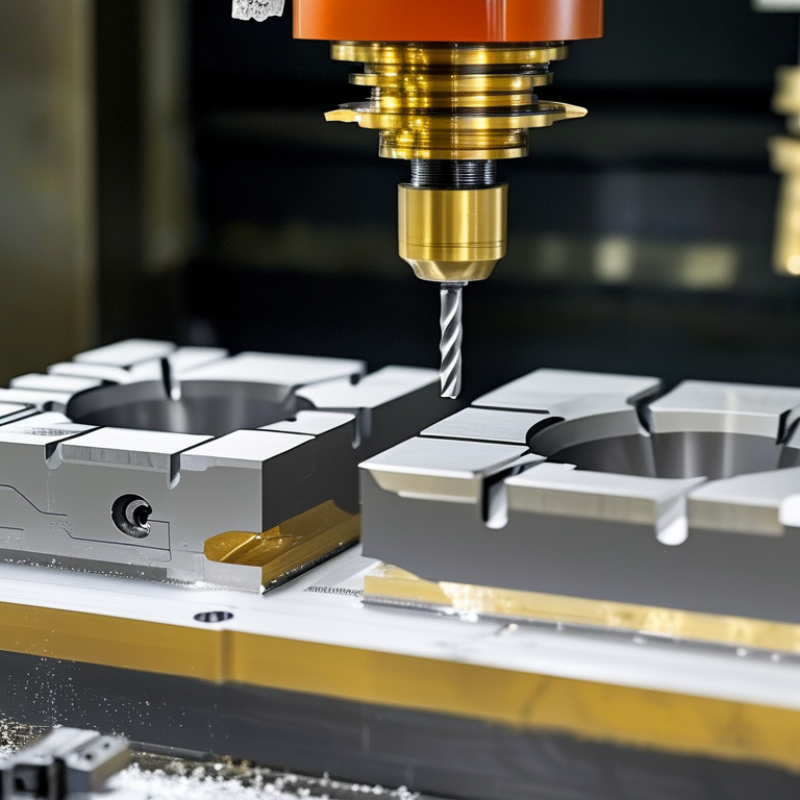
What Is CNC Machining in China and How Does It Work?

The Definition and Purpose of CNC Machining in China

CNC machining in China is a computer-controlled manufacturing process. It removes material from metal, plastic, or other solid stock. A digital design guides cutting tools along programmed paths. The purpose is clear: produce accurate parts repeatedly, from prototypes to large production runs. Common products include brackets, housings, shafts, and medical equipment components.

In a Chinese machining workshop, an engineer usually reviews the drawing before programming the machine. The design is converted into machine instructions, often called G-code. The operator then secures the material and selects suitable tools. During cutting, coolant may flow over the workpiece while sensors and measurements support process control. A finished aluminum part might show clean edges, drilled holes, and carefully measured surfaces.

Small details matter. Tool wear can change a hole’s diameter. Heat can affect final dimensions. A rushed inspection may miss both problems. It is also important to confirm material certificates, tolerances, surface finish, and packaging requirements. Communication can fail when a drawing uses unclear units or incomplete notes. That part needs reflection. Reliable suppliers use calibrated measuring equipment and documented inspections, but no process is perfect. Customers should request samples, inspection records, and realistic delivery information before approving production.

The Main CNC Machines Used by Chinese Manufacturers

China’s CNC machining sector uses several machine types, each suited to a different production problem. CNC milling machines remove material with rotating tools. Three-axis models handle plates, brackets, and housings, while five-axis machines reach curved surfaces with fewer setups. CNC lathes rotate round stock against cutting tools. They produce shafts, pins, bushings, and threaded parts with repeatable diameters.

More advanced workshops combine turning and milling in one mill-turn machine. This reduces repositioning errors, though programming becomes more demanding. Wire EDM cuts hardened steel using controlled electrical sparks, making it useful for narrow slots and precise dies. CNC grinding machines provide the final surface finish when tolerances become especially tight. According to Gardner Intelligence’s 2024 World Machine Tool Survey, China’s 2023 machine-tool consumption reached approximately US$31.5 billion, showing the scale of its manufacturing base.

Automation is also changing factory floors. The International Federation of Robotics reported 276,288 industrial robot installations in China during 2023, about half of global installations. A capable China CNC Machining Supplier may connect robots with pallet systems, probing tools, and inspection equipment. Still, automation does not guarantee quality. I have seen production plans fail because tool wear, coolant temperature, or datum selection was ignored. A reliable supplier should show machine capacity, inspection records, material certificates, and sample measurements. Small details matter.

How Digital Designs Become Machined Components

What Is Cnc Machining in China and How Does It Work?

How Digital Designs Become Machined Components

Cnc Machining in China begins with a digital model, usually created in CAD software. Engineers define dimensions, holes, tolerances, and surface requirements. The model then becomes machine instructions through CAM programming. These instructions guide cutting tools along controlled paths. A small aluminum block can become a housing, bracket, or precision shaft within hours.

The process needs more than a correct file. Engineers select the alloy, cutter type, spindle speed, feed rate, and clamping method. Material certificates may confirm the alloy before production starts. During setup, operators check tool offsets and measure the raw stock carefully. One incorrect offset can shift a hole by several tenths of a millimeter.

Inspection is continuous. Calipers, micrometers, gauges, and coordinate measuring equipment compare the component with the drawing. A sample part may expose an unclear tolerance or an overlooked sharp edge. That is where practical judgment matters. Digital designs are precise, but they are not always complete.

The first part often teaches the most. Finishing can change dimensions slightly. Thin walls may vibrate during cutting. Engineers may revise the toolpath after reviewing the real component. Reliable manufacturers record these changes and repeat measurements across the batch. Clear drawings, controlled processes, and honest communication help digital ideas become usable parts.

The Step-by-Step CNC Machining Process in China

In China, CNC machining starts long before metal reaches a spindle. At the quotation stage, engineers review 3D CAD files, 2D tolerances, material grades, quantities, and surface requirements. They check thin walls, tool access, sharp internal corners, and datum locations. The supplier may suggest a small design change to reduce machining time. China’s manufacturing scale gives this workflow broad technical capacity.

UNIDO’s 2024 International Yearbook reports that China produced about 31% of global manufacturing value added in 2022.

After approval, programmers convert the model into CAM toolpaths. They select cutters, cutting speeds, workholding methods, and inspection points. Simulation helps reveal collisions before production. The operator then loads certified material, sets the fixture, measures tool offsets, and probes the workpiece. A first article is cut and inspected before batch production begins.

It feels simple on paper.

In practice, the handoff is rarely perfect. A fixture may need adjustment after the first trial. Tool wear can also change a small bore during a long run. For Cnc Parts Machining, inspectors commonly use coordinate measuring machines, micrometers, gauges, and surface-roughness testers. They record dimensions against the drawing and prepare an inspection report.

The IFR World Robotics 2024 report recorded 276,288 industrial robot installations in China during 2023, equal to 51% of global installations.

Automation improves repeatability, but it cannot replace careful measurement, material traceability, and experienced judgment.

Materials, Tolerances, and Surface Finishes Available

CNC machining in China turns a digital CAD model into a physical component through programmed cutting, drilling, and milling. For Parts Cnc Machining, material choice controls strength, weight, cost, and machining behavior. Aluminum cuts quickly and suits lightweight housings. Stainless steel resists corrosion but generates more heat. Engineering plastics reduce weight, though they can deform during clamping. Copper alloys conduct heat well, but they may leave burrs around small holes. According to the 2024 Fortune Business Insights report, the global CNC machine market reached about USD 83.99 billion in 2023, reflecting broad industrial adoption.

Tolerance decisions should match the function, not personal preference. A general tolerance may be enough for a bracket, while a bearing seat needs tighter control. ISO 2768-1 provides commonly used general tolerances for linear and angular dimensions. However, drawings still need explicit critical dimensions. A machine shop may achieve ±0.01 mm under controlled conditions, but material movement, tool wear, and temperature can change results. Reality is less perfect.

Surface finish also affects sealing, friction, appearance, and cleaning. Machined surfaces often fall near Ra 1.6–3.2 μm, while fine finishing can reach lower roughness values. Bead blasting creates a uniform matte texture. Anodizing can improve aluminum’s appearance and surface protection. Passivation supports corrosion resistance for stainless steel. The 2023 ISO technical guidance on surface texture reinforces measuring roughness by defined parameters, rather than judging it by touch. I still recommend confirming Ra, measurement direction, and inspection points before production.

Quality Control, Pricing, and Production Considerations

What Is CNC Machining in China and How Does It Work?

CNC machining converts digital drawings into precise metal or plastic parts. A programmer sets tool paths, cutting speed, feeds, and workholding. The machine then removes material through milling, turning, drilling, or grinding. China offers broad supplier capacity, but capability varies sharply between workshops. Grand View Research’s 2024 report estimates the global CNC machine market reached about USD 86 billion in 2023. That scale increases supplier choice, not automatic quality.

Quality control should begin before cutting starts. Request material certificates, drawing reviews, first-article inspection, and documented measurement results. Coordinate measuring machines can verify holes, profiles, and critical datums. ISO’s 2022 Survey recorded more than one million ISO 9001 certificates in China. Certification helps, but it does not replace process evidence. I would still check calibration records, inspection frequency, and defect handling. Small gaps matter.

Pricing depends on material, machining time, setup complexity, tooling, tolerances, surface treatment, inspection, packaging, and freight. A low quotation can hide weak fixtures or unrealistic tolerances. Ask for separate costs. Batch size also changes the economics. Ten prototypes may carry heavy programming and setup costs, while larger runs spread them across each part. Production becomes safer when suppliers review wall thickness, corner radii, datum choices, and tool access early. Some designs will need revision. That is normal, and ignoring it is expensive.

FAQS

: Which CNC machines are commonly used in Chinese manufacturing?

: CNC mills produce plates, brackets, and housings. Lathes make shafts, pins, bushings, and threaded parts. Five-axis machines reach curved surfaces with fewer setups. Mill-turn machines combine turning and milling operations. Wire EDM cuts narrow slots in hardened steel. Grinding machines improve final surface finish.

How does a CNC machining project usually begin?

Engineers review CAD files, drawings, materials, quantities, and surface requirements. They also check thin walls, sharp corners, tool access, and datum locations. A small design change may reduce machining time. This review prevents avoidable production problems.

What happens before batch production?

Programmers create CAM toolpaths and select cutters, speeds, fixtures, and inspection points. Simulation helps identify possible collisions. Operators load certified material and measure tool offsets. They probe the workpiece before cutting. A first article is then inspected.

How is machined part quality checked?

Inspectors compare measured dimensions with the technical drawing. They may use coordinate measuring machines, micrometers, gauges, and roughness testers. Inspection reports record critical measurements and material details. Small errors can still appear during long production runs.

Which materials can CNC machining handle?

Aluminum suits lightweight housings and machines quickly. Stainless steel resists corrosion but produces more cutting heat. Engineering plastics reduce weight but may deform during clamping. Copper alloys conduct heat well but can create burrs. Material choice affects strength, weight, cost, and machining behavior.

How should machining tolerances be selected?

Tolerances should match the part’s function. A simple bracket may need only general tolerances. A bearing seat usually requires tighter dimensional control. A drawing should identify critical dimensions clearly. Very tight tolerances need controlled temperature, stable fixtures, and careful inspection. Perfect results are not automatic.

What surface finishes are available for CNC parts?

Standard machining may produce roughly Ra 1.6–3.2 micrometers. Finer finishing can achieve lower roughness values. Bead blasting creates a consistent matte texture. Anodizing can protect and improve aluminum surfaces. Passivation supports corrosion resistance for stainless steel. Confirm the roughness value and measurement direction.

Does factory automation guarantee consistent quality?

No. Robots can improve repeatability, but they cannot replace engineering judgment. Tool wear may enlarge a small bore. Coolant temperature can affect dimensions. Poor datum selection can disturb the entire inspection result. Automation helps. Careful measurement still matters.

Conclusion

Cnc Machining China refers to the use of computer-controlled equipment to transform digital designs into accurate, repeatable components. Chinese manufacturers commonly use CNC milling machines, turning centers, routers, and multi-axis systems to process materials such as aluminum, steel, stainless steel, brass, plastics, and other engineering materials. The process begins with a CAD model, which is converted into machine instructions through CAM software. After tools, fixtures, cutting speeds, and feeds are selected, the workpiece is secured and machined through controlled operations such as cutting, drilling, turning, and finishing.

The final results depend on material selection, dimensional tolerances, and the required surface finish. Manufacturers may provide options including anodizing, powder coating, polishing, plating, or other treatments, depending on the component’s function. Quality control can include first-article inspection, in-process measurements, and final testing with precision instruments. Pricing and production schedules are influenced by part complexity, material costs, order volume, tolerances, finishing requirements, and tooling needs. Clear technical drawings and communication help ensure reliable production.
Sophia

Sophia

Sophia is a dedicated and professional marketer with a deep commitment to delivering high-quality products that not only satisfy our customers but also enhance their own offerings to their clientele. With a strong background in product design, development, and manufacturing, Sophia excels at......
Previous China Best Auto Shaft Manufacturers Suppliers and Prices
Call Us Email Us
