Inquiry
Leave Your Message

Verification code error

0%

Picking a reliable manufacturer for Precision Turning Parts isn’t just about comparing prices. I mean, a precision part might seem pretty simple at first glance, but its proper fit really depends on tight tolerances, consistent materials, and clean finishes. For instance, if a shaft is just a hair off in size, it could wobble around once you try to put it together. Or if there's a rough edge, it might slow down the installation or cause wear and tear over time. Tiny details like these really do make a difference.

So, where do you start? First off, see if the supplier can walk you through their process clearly. Ask about their CNC turning capabilities, how they source materials, what kind of inspection tools they use, and how they keep track of measurements. A good team should be able to discuss things like micrometers, CMM inspections, or share sample reports — especially if they’re relevant to the part you’re ordering. Don't be shy about requesting a sample to compare directly with your drawing and make sure all those critical dimensions, surface finish, and other specifications match up. Also, find out how they handle revisions, delivery timelines, and quality issues. When they give clear, straightforward answers, it's a good sign. Vague or overly broad claims? Not so much.

Of course, price definitely matters, but don’t get blinded by a low quote. Sometimes, a cheap price can end up costing you in the long run if there are inconsistencies between batches or if communication falls apart. Look for documented quality procedures, reasonable lead times, and experience with similar parts. If you can, ask for references or examples, just to get a feel for their track record — but always respect confidentiality limits. Even the most experienced buyers can overlook small notes on drawings, so double-check the details before they go into production.

This little guide should help you figure out how to really assess a potential supplier. It’s about verifying their capabilities and making your decision based on real evidence, not just promises. Sure, no checklist can catch everything, but asking the right questions upfront can save you a lot of headaches down the line. Better safe than sorry, right?
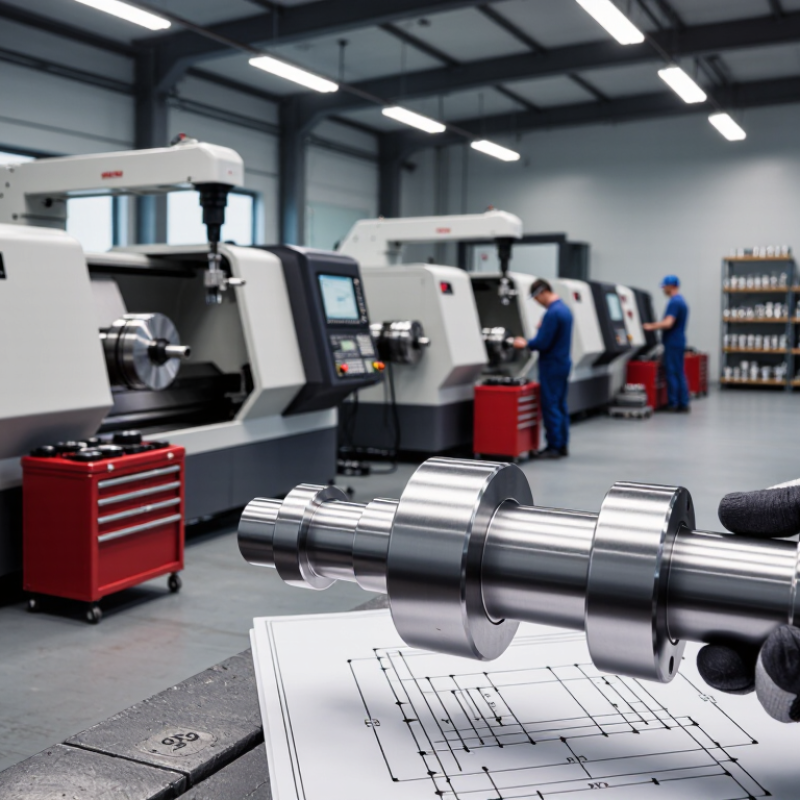
How to Find a Reliable Precision Turning Part Manufacturer?

Define Your Precision Turning Part Requirements

Before requesting quotes, turn the part into measurable requirements. State the material grade and condition, finished dimensions, critical tolerances, surface finish, thread details, and expected annual quantity. For example, a 12-millimeter shaft with a tight bearing seat needs a tolerance and surface-finish target, not just “precision.” Identify datum faces and mark which dimensions control fit or function. Small details matter.

Also define inspection and delivery expectations. Specify whether the supplier should provide first-article results, material certificates, or dimensional reports, and name the measurement method where it matters. ASQ’s quality-cost guidance estimates that poor quality can cost organizations 15–20% of sales; the actual share varies by process and company. That is a strong reason to resolve ambiguous drawings before production. ISO 286-1 provides a standardized system of limits and fits, but a standard alone cannot decide which fit suits your assembly. One detail is often missed: tolerances that are unnecessarily tight can raise machining and inspection costs without improving performance. Review the drawing with an engineer, then leave room for a practical discussion with the manufacturer. I would still double-check the hardest-to-measure feature.

Identify Manufacturers with Relevant Industry Experience

A manufacturer’s experience matters most when it matches your part’s material, tolerances, and production volume. A shop that regularly turns stainless steel may understand how work-hardening, heat, and tool wear affect a slender shaft. Ask for examples of comparable parts, not just a general list of industries. Useful evidence includes inspection records, process plans, and details about how operators control dimensions during a production run.

Look closely at the questions they ask. Do they clarify surface finish, concentricity, burr limits, and the function of critical features? That discussion often reveals more than a polished capability sheet. For Precision CNC Turning for Stainless Steel Part projects, ask how the supplier manages cutting conditions and checks dimensions after machining. A sample inspection report can show whether measurements are tied to specific drawing requirements. Small details count.

I have seen promising conversations become vague once tolerances were discussed. That is worth noticing. A capable manufacturer should explain trade-offs plainly, including where a requested tolerance may raise cost or require extra inspection. Ask who reviews first-article results and how changes are documented. Relevant experience is not a guarantee, and years in business alone prove little. Still, clear answers backed by similar work offer a stronger basis for trust.

Verify Equipment, Materials, and Production Capabilities

How to Find a Reliable Precision Turning Part Manufacturer?
Verify Equipment, Materials, and Production Capabilities

Choosing a Turning Part manufacturer starts with the machines behind the quote. Ask whether its lathes can hold your required diameter, tolerance, and surface finish across the full production run. Request recent inspection records or sample measurements, not just a list of machine models. Look for calibrated gauges near the production line, clean work areas, and clear procedures for handling rejected parts. These details offer more evidence than polished photos.

Tips: Send a representative drawing and ask how the shop would inspect its most critical feature. Confirm the material grade through supplier records or material certificates, and check that stock is stored to prevent mix-ups. Ask about tool changes, setup checks, and how operators respond when dimensions drift. Vague answers deserve a follow-up.

Production capability matters as much as equipment. Confirm typical lead times, batch-size flexibility, and capacity for repeat orders. A small trial run can reveal whether parts stay consistent after the first setup. No shop is perfect; what matters is whether it identifies problems, explains corrective steps, and keeps useful records. One missed detail in a drawing can affect cost or fit, so review assumptions together before approval.

How to Find a Reliable Precision Turning Part Manufacturer? — Verify Equipment, Materials, and Production Capabilities

Verification Area What to Check Evidence to Request Practical Evaluation Assessment
CNC Turning Equipment Confirm that available lathes suit the part’s diameter, length, geometry, and required operations. Ask whether the process needs live tooling, a sub-spindle, or bar feeding. Machine list showing equipment type, working capacity, spindle configuration, and available tooling. Compare the machine’s stated capacity with the drawing and proposed process route. Capacity alone does not establish achievable part quality. Pass / Review / N/A
Machine Condition Check maintenance practices and how machine condition is monitored. Wear, alignment, and thermal changes can affect repeatability. Preventive-maintenance records, service logs, and documented checks relevant to the production equipment. Ask how maintenance issues are recorded, escalated, and addressed before they affect production. Pass / Review / N/A
Measurement Equipment Verify that inspection tools match the drawing’s features and tolerances. Common equipment may include micrometers, bore gauges, height gauges, and coordinate measuring machines. Inspection-equipment register, calibration records, and sample inspection reports with measurement results. Check that measurement equipment is suitable for the feature being inspected and that calibration is current and traceable. Pass / Review / N/A
Process Capability Establish how critical dimensions are controlled during setup and ongoing production. Capability depends on the part, process, material, and measurement method. Control plan, first-article inspection results, and statistical process-control data when applicable. Agree on critical characteristics, sampling frequency, acceptance criteria, and corrective-action requirements before production. Pass / Review / N/A
Material Traceability Confirm that the supplied alloy, grade, and condition match the purchase specification and engineering drawing. Material test certificates or mill certificates, purchase records, and a documented lot or heat-number traceability process. Verify that part or batch records can be linked to the material documentation. For applicable orders, specify the required certificate format, such as EN 10204 type 3.1. Pass / Review / N/A
Material Handling Review storage and identification practices for different alloys and material conditions. Mixed or unidentified stock can create material-conformance risks. Material identification procedure, stock labels, and examples of how material lots are segregated and issued to production. Ask how remnants and work-in-process retain material identity through cutting, machining, and packaging. Pass / Review / N/A
Production Capacity Check whether the proposed schedule, batch size, and repeat-order needs fit available machine time, staffing, and production planning. Capacity-planning approach, typical lead-time assumptions, and a proposed production schedule for the part. Discuss setup time, expected cycle time, planned shifts, and how urgent orders or capacity constraints are communicated. Pass / Review / N/A
First-Article Approval Agree on how the initial parts will be approved before full production, particularly for new designs or revised drawings. First-article inspection report, sample parts, and a record of drawing revision and approval status. Confirm the report covers the drawing’s specified dimensions, material requirements, and any agreed special characteristics. Pass / Review / N/A
Quality System Review documented controls for inspection, nonconforming product, corrective action, and change management. Request certification only where relevant to the project. Quality-system certificate, scope and validity details when certification is required, plus examples of controlled procedures or records. Check that the system’s scope covers the relevant manufacturing activities and that drawing or process changes are formally reviewed. Pass / Review / N/A
Finishing and Secondary Operations Identify requirements for deburring, cleaning, heat treatment, plating, passivation, or other finishing processes, including any applicable specifications. Process route, supplier or process records where applicable, and inspection evidence for specified finish requirements. Define who performs each operation, how the part is protected from damage or contamination, and how conformance is verified. Pass / Review / N/A
Packaging and Delivery Confirm that packaging protects machined surfaces and preserves part identification during storage and transport. Packaging proposal, labeling details, and a sample of shipping documentation. Specify quantity per package, corrosion protection if needed, lot identification, and any cleanliness or handling requirements. Pass / Review / N/A
Use the customer drawing, purchase specification, and applicable industry requirements as the acceptance criteria. Request objective evidence for critical requirements and document any agreed exceptions before placing the order.

Assess Quality Systems and Inspection Procedures

A reliable precision turning manufacturer can explain how its quality system controls each production stage. Ask how operators approve setup, record tool changes, and separate nonconforming parts. The answers should match written procedures and actual shop-floor practice. A certificate alone is not enough. During a facility visit, check whether inspection records identify the part, machine, measurement method, and date.

Tips: Request a sample inspection report for a similar component. Check whether it lists critical dimensions, tolerances, and actual readings. Ask how often measuring tools are calibrated, and how overdue equipment is handled. Clear answers matter.

For Cnc Turning Part Manufacturing, inspection should reflect the drawing and the material’s behavior. A supplier might use micrometers for diameters, a surface tester for finish, and first-piece checks after setup. For repeat orders, ask about in-process sampling and final inspection frequency. Review how the team responds when a measurement falls outside tolerance. No system is flawless; a useful sign is honest documentation of a mistake and a specific corrective action. A neat report can still miss a recurring issue, so compare records across batches and ask who verifies the results.

Compare Communication, Lead Times, and Total Costs

A reliable precision turning part manufacturer should make communication easy to test. Send a drawing with material, tolerance, finish, and annual quantity. Ask who reviews it and how questions reach the engineering team. Clear replies should identify specific features, not just promise “good quality.” That matters when a 0.02 mm tolerance or a sharp edge affects assembly. Part Cnc sourcing also benefits from a documented revision process. Small drawing changes can cause big confusion.

Compare lead times against real production steps. Ask when material is reserved, when the first sample is expected, and how inspection affects shipment. A supplier giving a short estimate without explaining these stages may be guessing. Request a schedule with dates and update frequency. Then compare it with your own launch or replenishment needs. Tight deadlines leave little room for correction.

Look beyond the quoted unit price. Include tooling, setup, inspection, packaging, freight, and possible charges for design changes. A lower price can become expensive if parts arrive late or require extra sorting. Ask what inspection records come with the order, such as dimensional results for critical features. Check how quickly the supplier flags a problem. Not every delay is avoidable, and a confident sales answer is not proof. A written, realistic plan is more useful.

Validate the Manufacturer with Samples and a Trial Order

Request samples made from the same material, machine route, and finishing process planned for production. A polished sample proves little if it came from a different setup. Check critical diameters, bore size, thread fit, burrs, and surface finish against your drawing. Ask how each feature was measured and whether the gauges are calibrated. Record the results. Not enough. A single sample cannot show consistency across shifts or batches. The American Society for Quality’s quality-cost guidance cites estimates that poor quality can consume 15%–20% of sales. That broad estimate is not a prediction for one order, but it shows why early verification matters.

Then place a small, paid trial order with agreed acceptance criteria. Request inspection records, material traceability, and notice of any process changes. Compare several parts from the lot, not just the best-looking piece. Check dimensions, packaging, and delivery timing too. Deloitte and the Manufacturing Institute projected that U.S. manufacturing could need 3.8 million workers by 2033, with 1.9 million jobs potentially unfilled. That forecast does not prove a supplier will struggle; it makes operator coverage and documented work instructions reasonable questions. A trial can still miss problems. Ask what changed during production, review any out-of-tolerance results, and decide whether the supplier’s corrective action is specific enough to verify.

FAQS

What should I check before choosing a precision turning manufacturer?

Ask whether its machines can meet your diameter, tolerance, and finish requirements throughout production. Request recent measurement records. Machine names alone prove little.

How can I verify the material used for my parts?

Request material certificates or supplier records. Check how stock is stored and identified. A misplaced bar can cause a costly mix-up.

What should a useful inspection report include?

Look for the part identity, measurement method, date, critical dimensions, tolerances, and actual readings. Records matter. Compare reports across batches.

How do I assess inspection equipment and procedures?

Ask how gauges are calibrated and what happens when calibration is overdue. Check that written procedures match the work on the production floor.

What should I examine in a sample part?

Compare critical diameters, bore size, thread fit, burrs, and surface finish with your drawing. Ask how each feature was measured. One sample isn't enough.

Why place a small trial order?

It can reveal variation across parts, shifts, and setups. Agree on acceptance criteria, then review several parts, inspection records, packaging, and delivery timing.

How can I judge a manufacturer’s response to defects?

Ask how it separates rejected parts and records corrective actions. A clear, verifiable response matters more than a claim of perfection.

What production details should I confirm before approval?

Discuss lead times, batch flexibility, repeat-order capacity, tool changes, and setup checks. Review drawing assumptions together. Small details can affect fit.

Conclusion

Finding a reliable Precision Turning Part manufacturer begins with clearly defining your requirements, including dimensions, tolerances, materials, surface finish, quantities, and intended application. Use these details to identify manufacturers with relevant industry experience and the ability to handle your part’s complexity and production volume. Then review their equipment, material options, and manufacturing capabilities to confirm they can meet your technical needs consistently.

A thorough evaluation should also cover quality systems, inspection methods, communication practices, lead times, and total costs—not just the quoted unit price. Ask how the manufacturer monitors production and manages changes or potential delays. Before committing to a large order, request samples and consider a small trial order. This practical validation can reveal whether the parts meet your specifications and whether the supplier is responsive and dependable. Combining technical checks with clear communication and hands-on evaluation helps you choose a manufacturing partner suited to both your current order and future needs.

Emily

Emily

Emily is a dedicated marketing professional with a profound expertise in delivering high-quality products that resonate with customer needs. She plays a vital role in engaging with clients throughout the entire product design, development, and manufacturing process, ensuring that their insights and......
Previous Top Custom CNC Machined Parts Suppliers Worldwide
Call Us Email Us