Inquiry
Leave Your Message
0%

Picking a top-notch custom Auto Shaft supplier really matters when it comes to keeping your vehicle running smoothly and lasting longer. Did you know that in 2022, the global market for auto parts was valued at over $400 billion? And it looks like it's only going to keep growing. A dependable Auto Shaft is key for transferring power efficiently—without it, your car’s performance could suffer. That’s why going with suppliers who focus on high-quality materials and precision engineering can make a big difference.

Now, here’s the thing—many manufacturers sometimes overlook the importance of quality control. And that can lead to parts breaking down sooner than they should, which obviously gets pretty costly. So, it's super important to check out a supplier’s certifications and how experienced they are in the game. In fact, reports show that around 30% of automotive failures are linked to using subpar parts. Partnering with a trusted supplier not only boosts your company's reputation but also helps cut down on warranty claims.

It's also smart to look into their track record. Reading customer reviews and looking at case studies can give you a real sense of how reliable and high-quality their products are. When a supplier upholds a strong standard of quality assurance, it really shows they care about excellence in their Auto Shaft manufacturing. All in all, taking the time to consider these things carefully is the key to making smart decisions in this pretty competitive market.
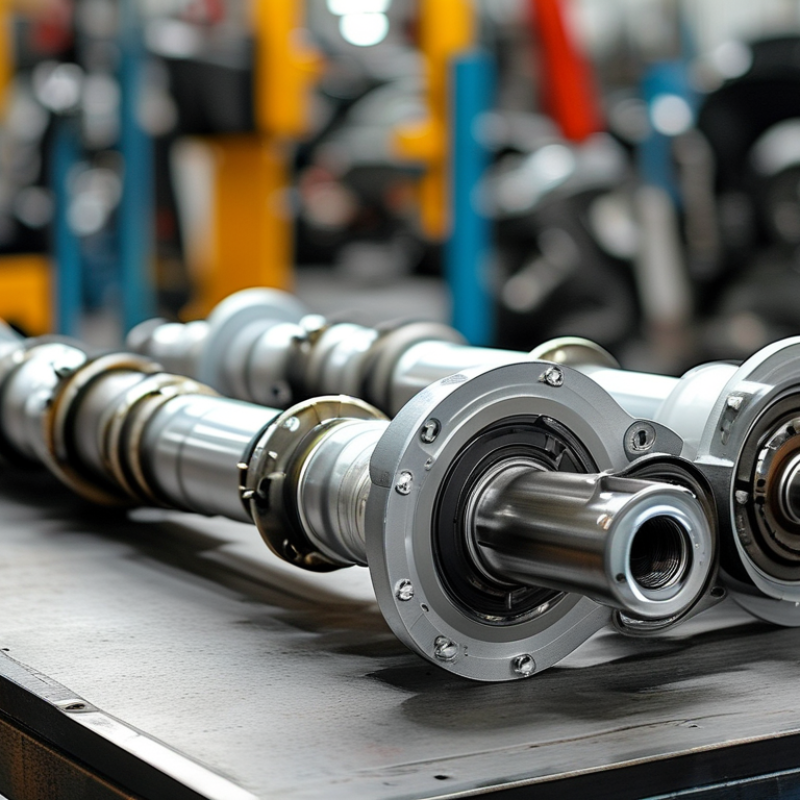
2026 How to Choose a High Quality Custom Auto Shaft Supplier?

Understanding the Importance of High Quality Auto Shafts in Automotive Industry

In the automotive industry, high-quality auto shafts are crucial for performance and reliability. These components connect various parts of a vehicle. If they fail, it can lead to serious issues. Poor-quality shafts can cause vibrations or premature wear. This not only affects driving comfort but also safety.

When selecting a custom auto shaft supplier, ensure they understand automotive standards. Their experience in the field matters. A reputable supplier will use precise materials and advanced manufacturing techniques. Look for suppliers who can demonstrate their engineering capabilities. However, not all suppliers maintain consistency in quality. Regular quality checks are needed.

Additionally, consider the supplier's reputation. Online reviews and industry feedback can provide insight. Direct communication is essential. Discussing your needs helps clarify expectations. Each project presents unique challenges. It’s important to continually assess supplier performance. This reflects not just on them, but also on your own commitment to quality.

Key Factors to Consider When Selecting a Custom Auto Shaft Supplier

Choosing a high-quality custom auto shaft supplier is crucial for ensuring optimal performance in your vehicle. Key factors should guide this decision. A supplier’s experience in the industry is essential. Companies with over a decade of expertise often demonstrate better engineering and problem-solving skills. This longevity typically correlates with high-quality production standards.

Another vital factor is the supplier’s materials and manufacturing processes. According to a recent industry report, 70% of failures in auto shafts result from subpar materials. Ensure the supplier utilizes high-grade alloys and advanced production techniques. Certifications like ISO 9001 can indicate compliance with best practices. This certification ensures consistent quality control and reliability.

Consider the supplier's ability to provide customization options. A flexible supplier can tailor designs to meet specific requirements. Customization often leads to improved performance and longevity of the auto shafts. However, beware of suppliers that promise too much without demonstrating previous successes. Trustworthy suppliers typically showcase case studies or client testimonials reflecting their capabilities and reliability. Evaluating these factors can lead to a more informed decision when selecting a custom auto shaft supplier.

Evaluating Supplier Capabilities: Manufacturing Processes and Technology

When selecting a high-quality custom auto shaft supplier, evaluating their manufacturing processes and technology is crucial. Advanced machinery and precision engineering play vital roles in the production of Auto Drive Shafts. According to a recent industry report, suppliers using CNC machining have a 30% higher accuracy rate compared to those relying on older technologies. This level of precision ensures that the auto drive shafts meet stringent performance metrics.

It’s essential to examine the types of materials used in production. High-quality suppliers typically employ materials such as high-strength steel or carbon fiber composites. This choice directly impacts durability and performance. Reports show that using premium materials can enhance shaft life by up to 25%. Ensure the supplier provides detailed material specifications along with certifications.

Tip: Don't hesitate to ask suppliers for proof of their technological capabilities. Look for certifications like ISO 9001, which indicates a commitment to quality. Additionally, consider requesting sample shafts to assess manufacturing quality firsthand. Evaluating a supplier's track record can reveal potential weaknesses in their processes, which is crucial for a long-term partnership.

2026 High Quality Custom Auto Shaft Supplier Evaluation

Quality Standards and Certifications in Auto Shaft Production

Choosing a high-quality custom auto shaft supplier hinges on a clear understanding of quality standards and certifications in the industry. Auto shafts undergo rigorous testing to meet international standards. The ISO 9001 certification is vital as it ensures a supplier follows strict processes in production. This certification indicates consistency and reliability in the production of essential components like Cnc Auto Parts.

In 2022, reports showed that 65% of OEMs prioritize suppliers with specific quality certificates. This highlights the importance of recognized standards in ensuring the reliability and durability of auto shafts. Moreover, materials used in auto shaft production must meet industry performance benchmarks. Advanced materials with high tensile strength are critical. Such materials improve longevity and performance in demanding applications.

Attention to detail is paramount during the manufacturing process. Small deviations can lead to significant performance issues. For instance, even a slight misalignment during production can affect the overall efficiency of the vehicle. Suppliers should demonstrate an ability to maintain precision through advanced manufacturing techniques. Seeking suppliers who continuously test and validate their products ensures that you invest in quality. The market demands consistent quality, and choosing a supplier aligned with these standards is crucial.

2026 How to Choose a High Quality Custom Auto Shaft Supplier? - Quality Standards and Certifications in Auto Shaft Production

Supplier Criteria Description Certification Standards Quality Assurance Processes
Material Quality Verify the type of steel or material used for shafts ISO 9001, ASTM Standards Incoming material inspection, tensile testing
Machining Precision Assess the tolerances and accuracy of machining ISO 2768, IT Standards CNC machine calibration, quality control checks
Heat Treatment Evaluate processes like hardening or tempering ISO 9001, NADCAP Process monitoring, hardness testing
Customer Reviews Analyze feedback from previous customers No formal certification but indicative quality Warranty and return policies
Supply Chain Management Evaluate the reliability of their suppliers TS 16949, ISO 9001 Supplier audits, lead-time management

Assessing Supplier Reliability: Delivery Times and Customer Support

Choosing a supplier for custom auto shafts requires careful evaluation of reliability. Delivery times and customer support are crucial factors. According to the National Institute for Automotive Service Excellence, 73% of auto repair professionals emphasize the importance of timely delivery. If a supplier fails to meet agreed timelines, it can disrupt your production schedule.

Customer support is equally vital. Clear communication can help resolve issues quickly. A survey by the Automotive Aftermarket Industry Association found that 56% of customers prefer suppliers who offer real-time support. If a supplier's response is slow, it may signal underlying problems. Potential delays could harm your reputation in the competitive landscape of Auto Parts Machining.

Not every supplier meets these standards. Some may promise excellent support but fail to deliver. Reflecting on past experiences with unreliable suppliers can guide your decision-making. If previous choices led to missed deadlines, learning from those cases is essential. Focusing on reliable service providers can enhance your operational efficiency and ensure quality output from your auto parts machining processes.

Cost vs. Quality: How to Balance Pricing When Choosing a Supplier

When choosing a custom auto shaft supplier, balancing cost and quality is crucial. Quality should never be compromised for a lower price. However, finding the right balance can be challenging. It’s essential to understand that cheaper options often sacrifice durability and performance.

One effective tip is to request samples. Evaluate the materials and craftsmanship before committing. This helps ensure you're not overspending on low-quality products. Also, consider the supplier's reputation. Reviews and testimonials can provide insights into their reliability.

Assessing long-term costs can also be beneficial. A low upfront price may lead to higher expenses due to frequent replacements. Make sure to calculate total lifecycle costs. This includes maintenance and potential downtimes. Reflect on your needs and production volume. Sometimes paying a little more upfront can save you money in the long run.

Industry Trends Influencing the Custom Auto Shaft Market in 2026

The custom auto shaft market is evolving rapidly. By 2026, the demand for high-quality auto shafts will increase, driven by trends in electric vehicles (EVs) and automation. In 2022, it was reported that the EV market grew by 55% compared to the previous year. This shift directly influences how auto shafts are designed and manufactured.

Industry experts forecast an annual growth rate of 7.3% in the customized auto shaft sector. The push for lightweight materials and enhanced performance is shaping expectations. Designs now focus on using advanced materials, including carbon fiber and alloys, which may affect production methods. Shafts used in CNC machining require precise engineering, ensuring they meet industry standards. Quality control is vital to avoid costly defects.

With these shifts, selecting a reliable supplier becomes critical. Companies should look for suppliers with proven expertise in Shaft Cnc technology. Insufficient experience may lead to subpar products. Buyers should seek suppliers that engage in continuous research, adapting to the new technologies affecting the market. Transparency in production processes is essential for maintaining reliability and trust.

FAQS

: What should I consider when choosing an auto shaft supplier?

: Look for supplier experience in the industry. Over a decade of expertise often indicates better quality.

How important are materials for auto shafts?

Materials are crucial. Around 70% of shaft failures come from using low-quality materials.

What manufacturing processes should a supplier use?

Advanced technologies like CNC machining are important. These methods ensure higher accuracy in production.

Is certification necessary for auto shaft suppliers?

Yes, certifications like ISO 9001 indicate adherence to quality standards and reliable practices.

How can I assess a supplier's customization options?

Check if they have tailored designs for previous clients. Look for case studies or testimonials.

What materials should be used in high-quality shafts?

High-strength steel or carbon fiber composites are recommended for better durability and performance.

Should I request samples from the supplier?

Yes, asking for sample shafts helps assess their manufacturing quality and precision.

How can I judge a supplier’s technology capabilities?

Request proof, certifications, and details on their processes to evaluate their technological advancement.

What might indicate a supplier is unreliable?

Promises without proven successes can be a warning sign. Always verify their track record first.

What are some common pitfalls in selecting a supplier?

Focusing solely on price without considering quality or experience can lead to poor performance in the long run.

Conclusion

In the evolving landscape of the automotive industry, high-quality auto shafts play a crucial role in ensuring vehicle performance and reliability. When selecting a custom auto shaft supplier, it is essential to consider key factors such as the supplier's manufacturing processes, technology, and adherence to quality standards and certifications. Moreover, evaluating supplier reliability, including delivery times and customer support, is critical to maintaining production schedules.

Balancing cost and quality remains a significant challenge; thus, establishing a clear understanding of your requirements will aid in making informed decisions. Additionally, staying informed about industry trends that may influence the custom auto shaft market in 2026 can provide competitive advantages. By focusing on these aspects, automotive manufacturers can effectively choose suppliers that not only meet their specifications but also enhance overall product quality and reliability.

Ethan

Ethan

Ethan is a dedicated marketing professional at FRIMA, known for his unwavering commitment to delivering high-quality products to clients and their customers. His extensive knowledge of the company's offerings allows him to effectively communicate the unique advantages of their products. Ethan......
Previous China Best OEM High Quality Milling Parts Factory for Precision Engineering?
Call Us Email Us
