Getting sourced turned metal parts efficiently isn't just about ticking boxes; it’s really about having a good game plan. Manufacturers often run into all kinds of hurdles when they're trying to find quality components. To stay ahead and keep things running smoothly, businesses need reliable methods to simplify their sourcing process — no fluff.
First off, really understanding what your specs are is key. Talking openly with suppliers and making sure everyone’s on the same page helps you get the right materials without a headache. Spending a bit of time digging into research can also pay off big time — it’s how you build those stronger, longer-lasting relationships with your vendors. Honestly, too many folks just overlook how important those relationships are. Trust and being dependable? Totally vital if you want top-notch turned metal parts.
And let’s not forget about tech — it can seriously boost your sourcing game. Automated tools can help you keep tabs on orders and manage inventory without breaking a sweat. But, not everyone adapts to these changes easily — I mean, it’s not always smooth sailing. Sometimes taking a step back and reviewing how you’ve been doing things can reveal some pretty valuable insights for improvement.
So, in this article, I’ve rounded up ten handy tips to make sourcing smoother and more efficient. Focus on these, and you'll be better positioned to get great quality components, consistently. It’s all about cutting through the noise and doing things smarter, not harder.
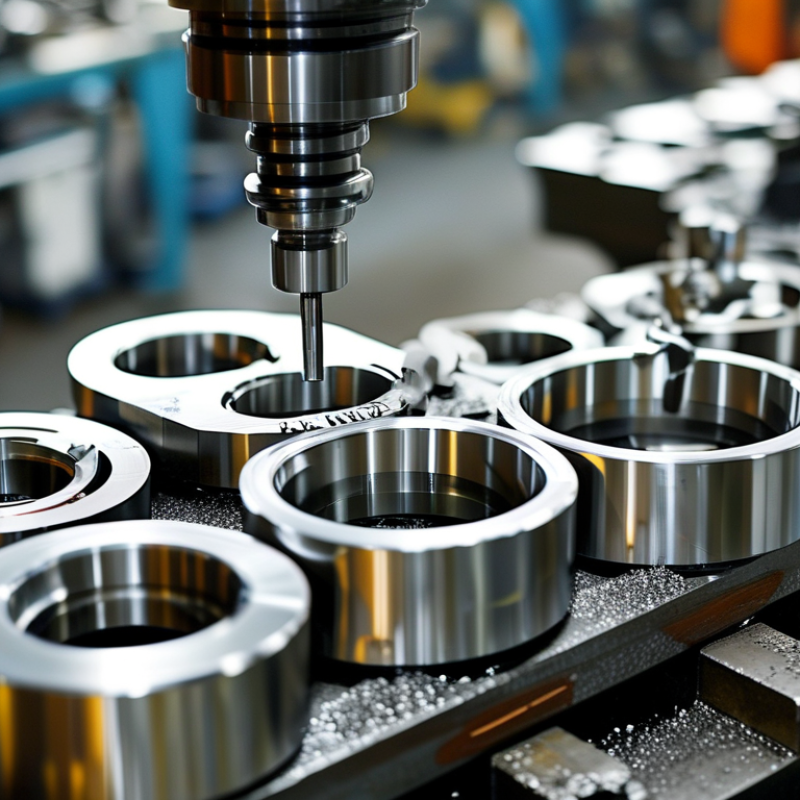
Understanding the Basics of Turned Metal Parts and Their Applications
Turned metal parts are widely used in various industries, from automotive to aerospace. These precision components are created through a machining process that involves rotating a workpiece against a cutting tool. Understanding the basics helps in making informed decisions. Key applications include shafts, fittings, and fasteners, which require specific tolerances and surface finishes.
Selecting the right materials is crucial. Common options include aluminum, brass, and stainless steel. Each material has unique properties that influence its suitability for different applications. This process also involves considerations about strength, corrosion resistance, and weight. Proper analysis can reduce costs and improve performance in the final product.
Quality control is another vital aspect. Different manufacturers may have varying standards, leading to inconsistencies. Regular audits and inspections are essential. They help mitigate risks and ensure that the parts meet required specifications. In this context, continuous improvement and feedback loops are invaluable. They foster a culture of reliability and efficiency in sourcing turned metal parts.
Top 10 Tips for Sourcing Turned Metal Parts Efficiently
Identifying the Material Requirements for Efficient Sourcing
Identifying material requirements is crucial for sourcing turned metal parts efficiently. When selecting materials, consider mechanical properties, corrosion resistance, and cost. For instance, aluminum alloys are lightweight and resistant to corrosion. They are often chosen for automotive applications. However, their strength may not suffice for heavy-load parts.
Market data reveals that 30% of sourcing issues arise from improper material selection. This indicates the need for thorough assessments. Reviewing industry reports can help identify trends in material usage and performance. Stainless steel, for example, balances strength and durability, making it ideal for parts exposed to harsh environments. However, sourcing stainless steel may involve higher costs.
Communicating with suppliers is essential. Understand their capabilities and material specifications. This dialogue can uncover insights about alternative materials that may meet your needs more efficiently. Quality documentation is also vital. It provides traceability, which builds trust between partners. Remember, an unsuitable material can lead to project delays and increased costs. Make informed decisions to optimize the sourcing process.
Evaluating Manufacturer Capabilities and Quality Standards
When sourcing Turned Metal Parts, evaluating manufacturer capabilities is crucial. It ensures that you partner with a supplier who meets your quality standards. Recent industry reports indicate that 75% of manufacturing quality issues stem from inadequate supplier evaluation processes. This statistic underscores the importance of thorough assessments before committing.
Understanding a manufacturer’s production capacity is vital. Effective suppliers should demonstrate their ability to scale operations to meet your demands. You should ask about their machinery and technology. Advanced CNC machines often result in higher precision for turned metal parts. Consider certifications like ISO 9001, which indicate adherence to quality management principles. Without this, you risk receiving subpar products, which can harm your operations.
Quality control processes also play a significant role in ensuring the consistency of turned metal parts. Manufacturers should implement rigorous testing procedures, such as automated inspections and batch testing. A report from the Engineering and Manufacturing Association shows that 68% of organizations find defects during production. This implies that robust quality checks can reduce waste and improve overall efficiency. Failing to address these aspects may lead to costly errors in your projects.
Utilizing Technology for Efficient Sourcing and Communication
In today’s manufacturing landscape, utilizing technology for sourcing Cnc Metal Parts can greatly enhance efficiency. Communication tools such as cloud-based platforms enable real-time conversations between suppliers and customers. This reduces misunderstandings and accelerates the decision-making process. Clear communication saves time and ensures everyone is on the same page.
Consider implementing a digital inventory system. This allows easy tracking of materials and parts, streamlining the sourcing process. Automated alerts can remind you of reorder points. This frees up valuable time, allowing teams to focus on strategy rather than routine tasks. An efficient inventory system fosters reliability in sourcing CNC metal parts.
Don’t overlook the importance of supplier reviews. Feedback from previous engagements can inform better choices. Seek out and evaluate past performance rather than relying on first impressions. Building strong relationships with reliable suppliers is crucial but takes time to nurture. Aim for improvement in every engagement. Each sourcing experience should be a learning opportunity.
Assessing Lead Times and Delivery Options for Timely Production
When sourcing turned metal parts, assessing lead times and delivery options is crucial. Research indicates that 75% of manufacturers report delays due to unpredictable supply chains. Understanding these variables can reduce downtime and improve production schedules.
Delivery options vary significantly among suppliers. For instance, many in the Metal Cnc Parts industry offer expedited shipping. This can cut lead times by as much as 30%. However, the costs associated with faster delivery often deter smaller operations. A balance between cost-effectiveness and timeliness is essential.
Communicating with suppliers about their lead capabilities can uncover potential issues. Some may promise quick turnaround times but struggle to meet them. Regular performance reviews and feedback are vital for maintaining reliable relationships. Often, firms find hidden efficiencies by collaborating closely with their suppliers. Evaluating these aspects will enhance production efficiency and strengthen supply chains.
Comparing Costs: Balancing Quality and Pricing in Sourcing
Sourcing turned metal parts effectively involves careful cost management. It’s crucial to balance quality and pricing. Manufacturers often struggle with this, as cheaper parts may compromise quality. To make informed decisions, analyze potential suppliers thoroughly. Request samples to evaluate the quality before making large orders.
One effective strategy is to negotiate pricing based on order volume. Larger quantities typically lower the unit cost, but assess if this aligns with your demand. Be cautious—excess stock can lead to wasted resources. Additionally, consider revisiting contracts regularly. This ensures they reflect current market conditions and maintain a fair price for both parties.
Regularly assess the supply chain's efficiency. Are suppliers responsive? Do they meet deadlines? Any delays can impact production schedules and costs. Investing time in supplier relationships can yield long-term benefits. Ensure that your partners share your quality standards. This approach not only secures better pricing but also enhances reliability. Finding the right balance between cost and quality is an ongoing process that requires reflection and adjustment.
Building Long-Term Supplier Relationships for Consistent Supply
Building long-term supplier relationships is essential for sourcing turned metal parts consistently. Trust between buyers and suppliers leads to better cooperation. When you have reliable partners, you can expect quality products on time. This reliability reduces the stress associated with last-minute sourcing challenges.
To foster these relationships, communication is key. Regular check-ins can reveal issues before they escalate. Suppliers appreciate feedback, and this can improve your order quality. Establish clear expectations to avoid misunderstandings. Sometimes, the challenge lies in aligning both parties’ goals. It’s important to reassess priorities as markets change.
Additionally, consider supplier capabilities beyond price. Look for expertise in Metal Lathe Parts. A knowledgeable partner can offer valuable insights. They might suggest techniques that enhance productivity. Reflect on past experiences with suppliers. Identify what worked well and what didn’t. Learning from these experiences can help shape better partnerships.
FAQS
: Turned metal parts are precision components made by rotating a material against a cutting tool.
Turned metal parts are commonly used in automotive and aerospace industries, among others.
Common materials include aluminum, brass, and stainless steel, each with unique properties.
Material selection affects strength, corrosion resistance, and weight, impacting final product performance.
Regular audits and inspections help ensure that parts meet required specifications and reduce inconsistencies.
Unpredictable supply chains and material availability significantly impact lead times for manufacturing.
Expedited shipping can reduce lead times by up to 30%, improving production schedules.
Regular communication unveils potential issues regarding lead times and delivery capabilities.
Close collaboration can uncover hidden efficiencies, enhancing overall production processes.
Smaller operations often struggle with the costs associated with faster delivery options.
Conclusion
Efficiently sourcing turned metal parts requires a thorough understanding of their basics and applications, as these components are critical in various industries. The first step is to identify the specific material requirements that meet your project needs, followed by evaluating potential manufacturers to ensure they meet quality standards and have the necessary capabilities.
Embracing technology can streamline the sourcing and communication processes, making it easier to assess lead times and delivery options for timely production. Additionally, it is essential to compare costs carefully, striking a balance between quality and pricing. Lastly, building long-term relationships with suppliers can ensure a consistent supply of turned metal parts, fostering reliability and collaboration in your manufacturing efforts.


