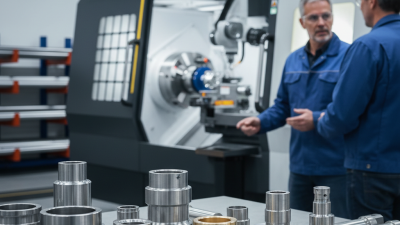
You know, in the world of manufacturing today, there's definitely been a big uptick in the demand for high-quality Lathe Machining Parts. Companies like Precision Lathe Works and China Machining Solutions are really stepping into the limelight as major players. They produce precision-engineered parts, which are used across a bunch of industries—think auto manufacturing, aerospace, you name it. People looking to buy these parts want reliability and durability, so picking the right supplier is super important.
China, in particular, is widely recognized for its pretty advanced machining skills. They’ve got cutting-edge technology and a skilled workforce behind them, which means their Lathe Machining Parts often meet international standards. But honestly, not every manufacturer is created equal. It’s crucial for buyers around the world to do their homework, dig into their options, and carefully vet potential suppliers.
Navigating through all these choices can feel overwhelming sometimes, right? There are so many companies out there that you really need to be selective. It’s a good idea to ask for samples first and really put them through their paces. Focusing on experienced manufacturers can help you partner up with someone trustworthy. Sure, it might take a little extra time upfront, but investing that effort usually pays off in the long run with higher quality parts and better collaborations.
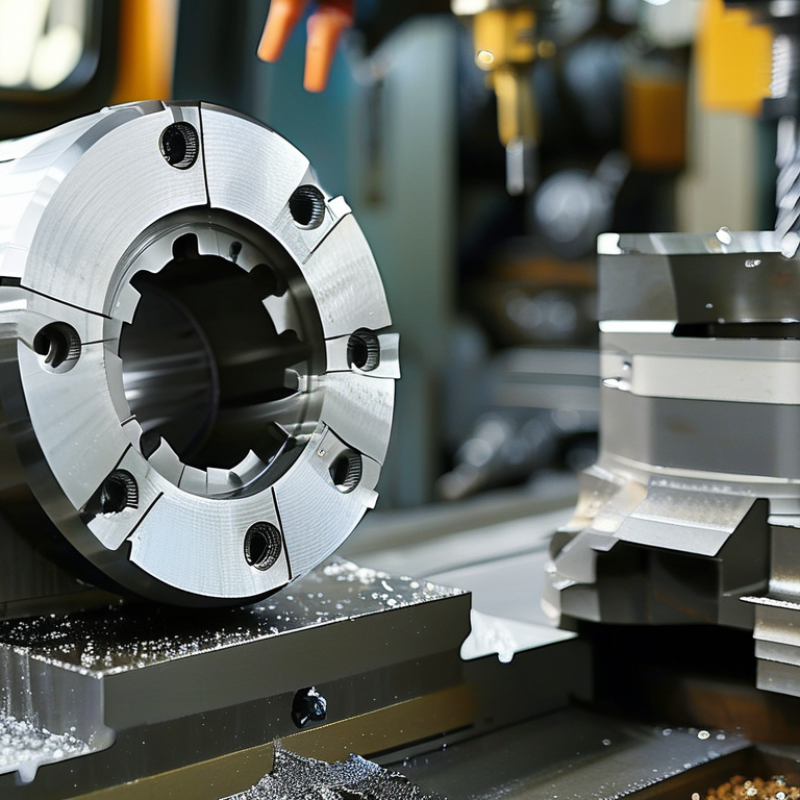
Top China Best Lathe Machining Parts Overview for Global Buyers
Lathe machining is crucial for various industries. China excels in producing high-quality lathe machining parts. These components are vital for precision engineering. Many global buyers turn to China for affordability and variety. However, not all suppliers offer the same standard.
When sourcing Cnc Lathe Parts, consider the material used. Common materials include aluminum, steel, and brass. Each has its own benefits. Aluminum is lightweight and resistant to corrosion. Steel is strong and durable, ideal for heavy-duty tasks. Brass provides excellent electrical conductivity. Evaluate your needs before making a decision.
Tips: Always request samples before placing large orders. This can help assess the quality and fit. Also, consider the supplier's experience and customer reviews. Some suppliers may not meet expectations despite low prices. Perform due diligence to minimize risks. Quality should always be a priority.
Popularity of Lathe Machining Parts Among Global Buyers
Market Trends in China's Lathe Machining Industry: Insights & Data
China's lathe machining industry is experiencing notable growth, driven by technological advancements and an expanding global market. According to recent insights from the China Machine Tool Industry Association, the market is expected to grow by 6.5% annually through 2025. This growth is fueled by increasing demand for precision parts in sectors like automotive and aerospace.
The demand for customized lathe machining parts is climbing, with buyers seeking high-quality, precise components. A report by MarketsandMarkets predicts that the global lathe market will reach a value of $4.2 billion by 2028. Chinese manufacturers, known for their competitive pricing and innovative techniques, play a crucial role in this market. However, challenges remain. Quality control and communication barriers are significant hurdles for both manufacturers and international buyers.
Tip: When sourcing lathe machining parts, prioritize suppliers with strong quality assurance systems. Ensure they meet international standards to mitigate risks. Understanding the complexities in the supply chain can also enhance your procurement strategies. Stay informed about emerging trends, as they may influence your decision-making process.
Key Precision Lathe Machining Techniques Used in China
Precision lathe machining is essential for producing high-quality components. In China, various techniques enhance the quality and efficiency of this process. According to a report by the China Machine Tool Industry Association, over 35% of globally sourced machined parts come from China. This statistic underscores China's significance as a hub for precision engineering.
One key technique employed is CNC (Computer Numerical Control) turning. CNC turning machines offer high accuracy and repeatability. This technology enables manufacturers to produce intricate designs with minimal error, often within tolerances of ±0.01 mm. Additionally, the use of advanced materials such as titanium and aerospace-grade aluminum has become more prevalent. These materials require specialized tooling and skillful machining, which some workshops still struggle to provide consistently.
The focus on sustainability is also growing. Many facilities are exploring eco-friendly coolant options and energy-efficient machines. However, not all workshops manage to implement these practices effectively. Finding a balance between productivity and sustainability remains a challenge. Despite this, companies are increasingly investing in training to bridge skill gaps and improve operational efficacy.
Comparative Analysis of Chinese and Global Lathe Machining Parts
Chinese lathe machining parts have gained popularity worldwide. The low labor costs and advanced manufacturing techniques in China contribute significantly to this trend. However, quality varies among suppliers. Buyers often face challenges in finding reliable sources that meet their standards. It's crucial to evaluate each supplier, focusing on their quality control processes.
When compared to global lathe machining parts, Chinese products may lack consistency. Quality assurance is essential. While some manufacturers implement rigorous testing, others do not. This inconsistency can affect the overall performance of a product. Global buyers should consider requesting samples before making larger orders. Understanding production capabilities is vital for ensuring long-term success.
Pricing is another aspect to reflect on. Although Chinese lathe parts may appear cheaper, hidden costs can arise. Shipping and potential inspection fees can inflate the final price. Buyers should account for these factors when making purchasing decisions. A thoughtful comparison is necessary for optimal value and performance in lathe machining parts.
Quality Assurance Standards for Lathe Machining in China
When sourcing Metal Lathe Parts from China, quality assurance is key. Manufacturing standards are crucial to ensure the longevity and performance of machined components. Chinese manufacturers often adhere to ISO standards, which ensures product reliability. However, not all factories maintain these standards consistently. Buyers should verify certifications before making a purchase.
One effective tip is to engage in direct communication with suppliers. Discuss quality control processes, and request detailed reports. This will help gauge their commitment to quality. Conducting factory visits can also provide insight into production methods. However, many buyers overlook this step, assuming online information is enough.
Another important aspect is understanding material specifications. Different metals and alloys yield different performance levels in machining. Ensure that the materials used align with your project's requirements. Request samples before placing large orders. This helps in assessing the quality firsthand. Taking these steps can mitigate potential risks and enhance the buyer's experience.
Leading Chinese Manufacturers of Lathe Machining Components
China has become a leading hub for lathe machining components, attracting global buyers. Many manufacturers prioritize precision and quality. They adopt advanced technology in their production processes, enhancing efficiency. This commitment results in high-quality products at competitive prices.
Among the various components, Swiss Lathe Parts are particularly noteworthy. These parts often feature intricate designs and fine tolerances. However, some manufacturers may struggle to maintain consistent quality. Buyers must conduct thorough evaluations before making decisions. Evaluating certifications and customer feedback is crucial.
By leveraging the expertise of established manufacturers, buyers can access a wide range of lathe machining parts. It is essential to consider the specific needs of projects to ensure the right components are sourced. Engaging with manufacturers can lead to better understanding and collaboration.
Export Statistics: China's Lathe Machining Parts to Global Markets
China remains a vital player in the global export market for lathe machining parts. In recent years, the demand for
Turning Lathe Parts
has surged significantly. This increase results from various sectors, such as automotive and aerospace, seeking high-quality components at competitive prices.
China's lathe machining industry has developed robust capabilities to meet these needs.
Export statistics reveal that the United States and Europe are major destinations for these products.
In 2022, China's exports of lathe parts reached impressive figures, underscoring the country’s production efficiency.
However, challenges persist. Quality control remains a concern for some buyers, as inconsistencies can affect final products.
It's essential for manufacturers to focus on enhancing quality standards.
Buyers often highlight the importance of reliability. While China's vast manufacturing capabilities offer variety,
some customers have reported delays in delivery. Addressing these issues is crucial for maintaining competitiveness.
The lathe machining sector must adapt continuously to meet evolving demands.
Striking a balance between quality and efficiency will shape the future landscape of Turning Lathe Parts in the global market.
FAQS
: Verify the manufacturer's certifications to ensure they meet quality standards.
Engage in direct communication and request detailed reports on quality control processes.
Yes, visiting factories gives insight into their production methods that online information may not provide.
Different metals and alloys perform differently; ensure materials match your project’s requirements.
Request samples to assess quality firsthand and reduce potential risks.
Some manufacturers may struggle to maintain consistent quality, requiring thorough evaluations.
Advanced technology enhances efficiency and results in high-quality products at lower prices.
Consider specific project needs and engage with manufacturers for better collaboration.
Not necessarily; buyers must evaluate certifications and customer feedback before decisions.
Many overlook factory visits, assuming online information is sufficient for decision-making.
Conclusion
The article titled "Top China Best Lathe Machining Parts for Global Buyers" provides an insightful overview of China's lathe machining industry, highlighting the best machining parts available for international markets. It delves into current market trends, showcasing valuable insights and data that reveal the dynamic nature of lathe machining in China. Furthermore, the article examines key precision lathe machining techniques that contribute to the quality and efficiency of production.
Additionally, a comparative analysis of Chinese lathe machining parts versus those from other global suppliers emphasizes China's competitive edge. The article also addresses quality assurance standards that govern lathe machining practices in China, ensuring consistency and reliability. Lastly, it includes export statistics that illustrate the growth of China's lathe machining parts in global markets, pinpointing leading manufacturers that set the benchmark for excellence in the industry.