In the world of manufacturing today, turned parts are pretty much everywhere—they play a big role across many industries. According to some recent data from Market Research Future (MRFR), the global market for precision turned parts is projected to hit around $15 billion by 2025. That’s a huge jump, and it totally makes sense given the growing demand for high-quality, complex components in sectors like automotive, aerospace, and electronics.
John Smith, an industry veteran and top engineer at Precision Components, puts it simply: "Turned parts are the backbone of modern machinery—they keep everything running smoothly and precisely." With automation and smart manufacturing on the rise, the importance of sourcing reliable and top-notch turned parts has never been greater. If you're thinking of sourcing from China, it's super important to consider things like the quality of materials, machining capabilities, and, of course, the reputation of potential suppliers.
Of course, it’s not all smooth sailing. Many buyers run into issues with quality control or experiencing long lead times. To avoid that, it helps to do your homework—thorough vetting and regular communication with suppliers are key. As the market continues to change, understanding the ins and outs of sourcing turned parts from China is essential to building successful, long-lasting partnerships.
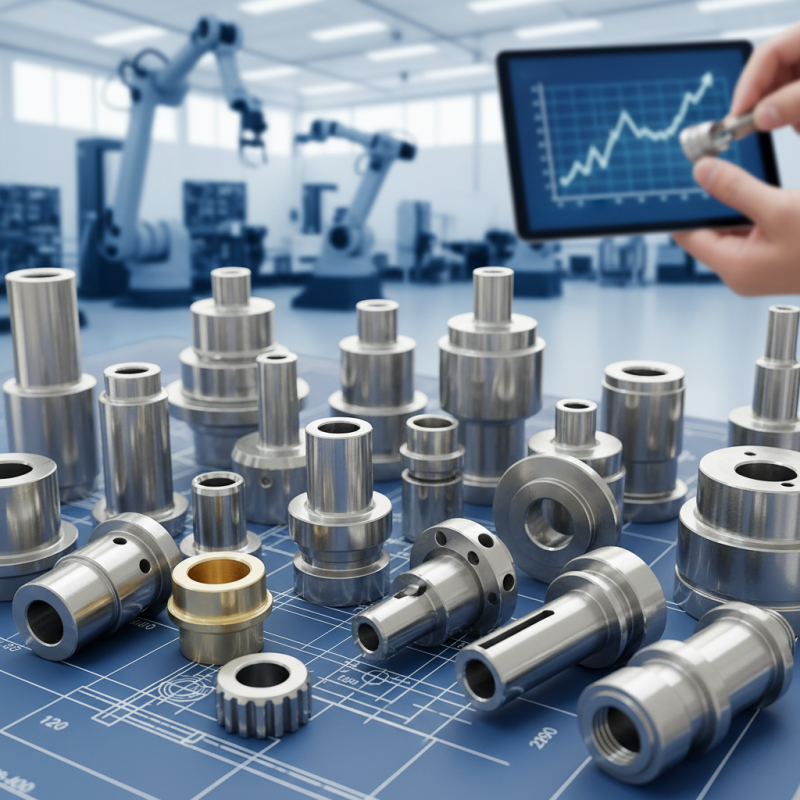
Overview of China's Turned Parts Manufacturing Industry
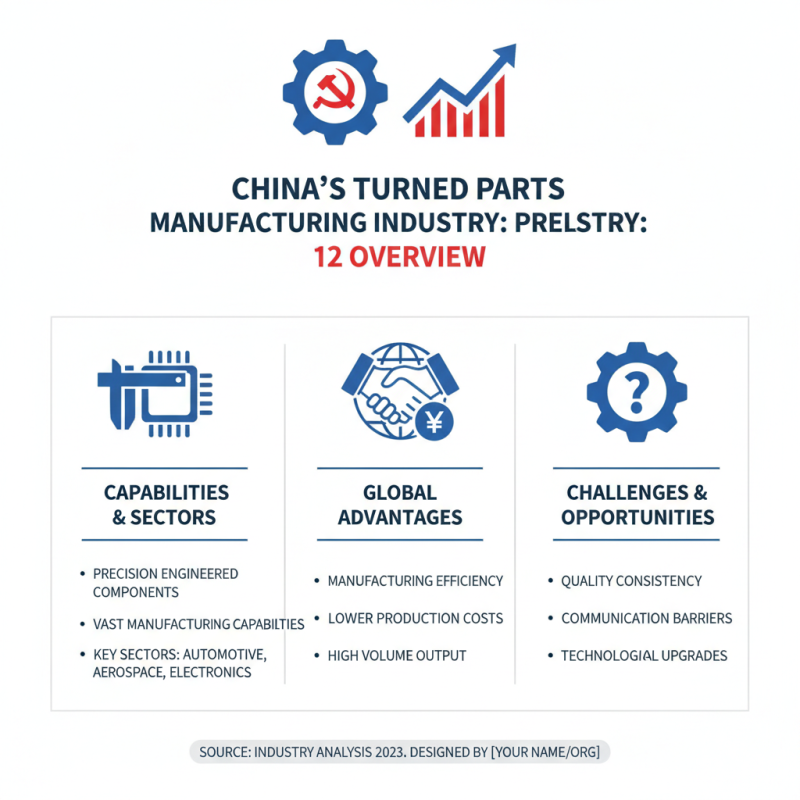
China's turned parts manufacturing industry has grown remarkably over the years. Known for its vast capabilities, it offers a range of precision-engineered components. These components serve various sectors, such as automotive, aerospace, and electronics. Many global buyers find value in China’s manufacturing efficiency and lower production costs. However, challenges remain, such as quality consistency and communication barriers.
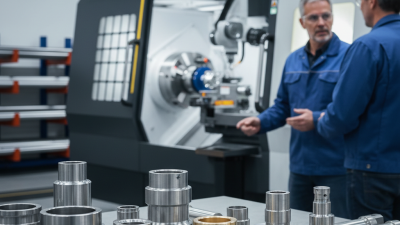
One notable aspect of this industry is the emphasis on advanced technology. Many factories employ CNC machines to ensure precision in production. This technology enhances the quality of Mm Turned Parts, making them reliable for demanding applications. Despite the advantages, buyers must remain vigilant. Not all manufacturers adhere to the same quality standards. Finding a trustworthy supplier requires diligence and thorough research on their certifications and history.
Another critical factor is the growing trend of customization in turned parts. Many businesses seek tailored solutions that meet specific needs. This flexibility can be a double-edged sword; while it caters to unique demands, it can complicate logistics and timelines. Buyers often face uncertainty regarding delivery schedules. Open lines of communication can mitigate misunderstandings. Hence, understanding China's turned parts landscape is essential for successful procurement.
Key Characteristics of High-Quality Turned Parts
When sourcing high-quality Cnc Turned Parts, buyers should be aware of critical characteristics that ensure reliability and efficiency. Precision is paramount in the industry. Studies show that parts with a tolerance of ±0.01 mm are increasingly standard in modern manufacturing. Buyers should prioritize suppliers capable of consistently achieving these tolerances. This precision is vital for components used in sensitive applications, such as aerospace or medical devices.
Material quality also plays a significant role in the production of CNC turned parts. Popular choices include stainless steel, aluminum, and brass due to their unique properties. According to recent industry reports, stainless steel parts offer superior corrosion resistance and durability, making them ideal for outdoor applications. However, understanding specific material characteristics is essential for performance optimization. For instance, aluminum parts are lighter, but may not withstand the same load as steel.
Surface finish is another area that merits attention. A good surface finish improves the performance and longevity of CNC turned parts. Techniques like anodizing or polishing can significantly enhance wear resistance. However, not all surface finishes are suitable for every application. Understanding the end-use of these parts can lead to a more informed choice. Balancing cost with these quality characteristics can sometimes be challenging, forcing buyers to reflect on their priorities and the trade-offs they are willing to accept.
Top 10 China Turned Parts for Global Buyers to Consider
| Part Name |
Material |
Diameter (mm) |
Length (mm) |
Tolerance (mm) |
Surface Finish |
Applications |
| CNC Shaft |
Steel |
25 |
300 |
±0.05 |
Galvanized |
Automotive |
| Precision Pin |
Aluminum |
10 |
50 |
±0.02 |
Anodized |
Electronics |
| Bolt |
Stainless Steel |
16 |
100 |
±0.1 |
Polished |
Construction |
| Coupling |
Brass |
20 |
80 |
±0.05 |
Chromate |
Plumbing |
| Spacer |
Plastic |
12 |
30 |
±0.1 |
Glossy |
Furniture |
| Gear |
Carbon Steel |
30 |
150 |
±0.05 |
Heat Treated |
Machinery |
| Bushings |
Nylon |
15 |
40 |
±0.1 |
Textured |
Automotive |
| Washer |
Aluminum |
18 |
1.5 |
±0.03 |
Anodized |
Electronics |
| Flywheel |
Cast Iron |
60 |
200 |
±0.2 |
Machined |
Automotive |
| Fittings |
Bronze |
28 |
75 |
±0.05 |
Electroplated |
Plumbing |
Top Industries That Utilize China’s Turned Parts
China's turned parts have become essential for various global industries. These components are prominent in sectors like automotive, aerospace, electronics, and medical devices. According to a recent industry report, the global turned parts market is projected to reach $6 billion by 2025, with a significant contribution from China.
The automotive sector is one of the largest users of turned parts. China’s capabilities in precision machining provide high-quality components for vehicles. From brake calipers to engine parts, quality matters. In aerospace, companies look for reliability and precision. Turned parts play a critical role in manufacturing aircraft structures and engines. The medical field utilizes these components in surgical instruments and devices, where precision is vital.
Tip: When sourcing turned parts from China, consider quality over cost. Cheap options may lead to failures or recalls, impacting your business.
Another key point is establishing good communication with suppliers. Clear specifications and expectations are essential. Misunderstandings can lead to costly errors, even with the best manufacturers.
Tip: Always request samples before placing large orders. This allows you to assess quality firsthand. Regular audits can help maintain standards as business scales.
Essential Factors Global Buyers Should Consider
When considering sourcing turned parts from China, global buyers need to weigh several essential factors. The quality of materials used is paramount. According to industry reports, about 70% of buyers face issues with material specifications. Ensuring that the manufacturer uses high-grade steel is vital for durability. Poor quality
Steel Turned Parts can lead to failures in critical applications.
Another critical aspect is the manufacturer's experience. A company that has been in the industry for several years often has better processes in place. Industry data suggests that 65% of companies prefer suppliers with over a decade of experience. This means they are likely to understand the complexities of machining steel turned parts. Certifications like ISO 9001 can also indicate a focus on quality management systems.
Buyers must also consider lead times and logistics. Shipping from China can take time, and delays are common. In fact, over 30% of buyers report unsatisfactory delivery timelines from overseas suppliers. Communication is essential during this process. Clear expectations can prevent misunderstandings and potential pitfalls in production. Collaborating closely with manufacturers can lead to better outcomes and smoother operations.
Leading Manufacturers of Turned Parts in China
China has become a global hub for manufacturing turned parts, attracting buyers from various industries. The country’s advanced technology and skilled labor force enhance the precision and quality of these components. Leading manufacturers in China produce an array of turned parts, including shafts, fasteners, and complex shapes. Their expertise allows them to accommodate diverse specifications and unique client needs.
Tips: When selecting manufacturers, verify their capabilities. Look for companies with experience in your specific sector. It is also wise to request samples to evaluate their workmanship and adherence to quality standards.
Another aspect to consider is communication. Clear communication can prevent misunderstandings. Establishing a dedicated point of contact within the manufacturing team will streamline the process. This can lead to better collaboration and a smoother project flow.
Assessing potential suppliers critically is crucial. Requesting references from previous clients can provide insights into the manufacturer's reliability. This practice not only builds trust but can also uncover hidden issues that require attention.
Comparative Analysis: China vs. Other Turned Parts Suppliers
When considering turned parts, China stands out in several areas. The country excels in cost efficiency, often providing Small Turned Parts at a fraction of the price found in other regions. With robust manufacturing capabilities, China can handle large volumes with precision. This is essential for global buyers looking to scale their operations without compromising quality.
However, there are challenges. Communication barriers can lead to misunderstandings about specifications. Additionally, lead times may vary based on region and supplier. Buyers should remain vigilant about these aspects. Comparing China to other suppliers, the latter often have shorter lead times but may lack competitive pricing. It is crucial to analyze the specific needs of your project before choosing a supplier. Quality control practices in China might differ, leading to variations in product consistency.
As global demand grows, so do the options available. It’s vital to evaluate the reliability of suppliers. Both China and other countries have strengths and weaknesses in small turned parts production. Ultimately, the choice may depend on balancing cost, quality, and service. Engaging with multiple suppliers can provide a clearer picture of what to expect.
Challenges and Solutions in Sourcing from China
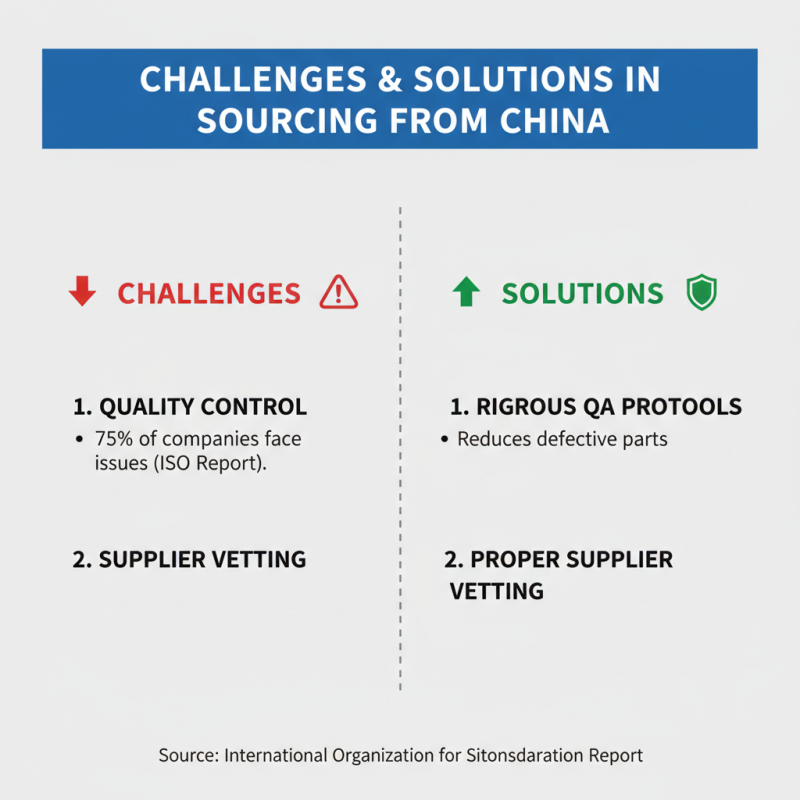
Sourcing from China presents distinct challenges for global buyers. Quality control is one major concern. A report by the International Organization for Standardization indicates that nearly 75% of importing companies have faced quality issues when sourcing from China. Proper vetting of suppliers is essential to mitigate this risk. Establishing rigorous quality assurance protocols can significantly reduce the chance of defective parts.
Another challenge lies in communication and cultural differences. Misunderstandings can disrupt supply chains. The Global Trade Analysis Project noted that 30% of sourcing delays stem from miscommunications between buyers and suppliers. Buyers should invest time in understanding cultural nuances and language barriers. Utilizing a local representative can bridge gaps effectively, fostering better relationships.
Logistics is often complicated. A recent study revealed that transportation costs from China have increased by 20% over the last year. This rise affects pricing strategies for global buyers. Exploring alternative shipping methods and routes can alleviate some of these financial pressures. Additionally, diversifying the supplier network may minimize risks linked to logistics and supply chain disruptions.
Comprehensive Guide to High-Quality Stainless Steel Metal Stamping Parts: Benefits, Applications, and Selection Criteria
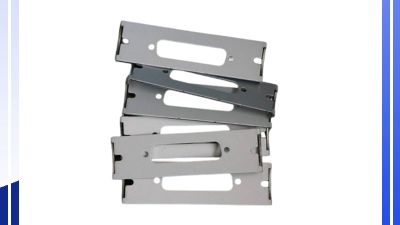
When it comes to the manufacturing of high-quality stainless steel metal stamping parts, several key benefits and considerations arise. Stainless steel is renowned for its excellent corrosion resistance, high strength-to-weight ratio, and durability, making it an ideal choice for a wide variety of applications. According to industry reports, the global market for stainless steel components is projected to grow significantly, driven by demands in automotive, aerospace, and electronics sectors. This focus on quality is paramount, as even minor defects in stamped parts can lead to substantial losses in efficiency and safety.
Selecting the right manufacturing partner is crucial for ensuring the production of reliable stainless steel metal stamping parts. Factors such as stringent quality control measures and adherence to international standards like IATF16949 and ISO 9001 can greatly influence the overall quality of the components produced. A dedicated manufacturing facility that prioritizes these standards can effectively manage the complexities of prototype design and development, leading to timely and cost-effective project delivery. As industries increasingly seek customized solutions, understanding the selection criteria for producing stainless steel parts becomes essential. Adopting these best practices not only enhances product quality but also ensures compliance with the ever-evolving requirements of various fields.
FAQS
: Precision is crucial, particularly with ±0.01 mm tolerances for sensitive applications like aerospace.
Popular materials include stainless steel, aluminum, and brass, each with unique properties suited for various applications.
A good surface finish enhances wear resistance and longevity, impacting the overall performance of parts.
Aluminum is lighter than steel but may not handle the same load, affecting performance in heavy applications.
Turned parts are essential in automotive, aerospace, electronics, and medical sectors, contributing to significant market growth.
Cheaper options can lead to failures or recalls, which can damage your business reputation and finances.
Clear specifications and expectations help avoid misunderstandings that could result in costly production errors.
Yes, requesting samples allows assessment of quality firsthand, ensuring that the products meet your standards.
Regular audits help maintain quality standards as your business grows and changes, ensuring consistency.
Balancing cost and quality often requires careful thought about what trade-offs are acceptable for specific applications.
Conclusion
The article "Top 10 China Turned Parts for Global Buyers to Consider" provides a comprehensive overview of the turned parts manufacturing industry in China, highlighting its significance and quality attributes. It examines the characteristics of high-quality turned parts and identifies key industries that leverage these components, such as automotive and aerospace. Furthermore, the piece outlines essential factors that global buyers should consider when sourcing turned parts, including cost, quality assurance, and supplier reliability.
The article also features a comparative analysis of China’s turned parts suppliers against those from other regions, illustrating the competitive advantages and potential challenges faced when sourcing from China. Solutions to these challenges are discussed, providing global buyers with practical insights into making informed decisions in their procurement processes. Overall, the summary showcases the importance of understanding the intricacies of turned parts sourcing in the global market and encourages buyers to consider China’s offerings.