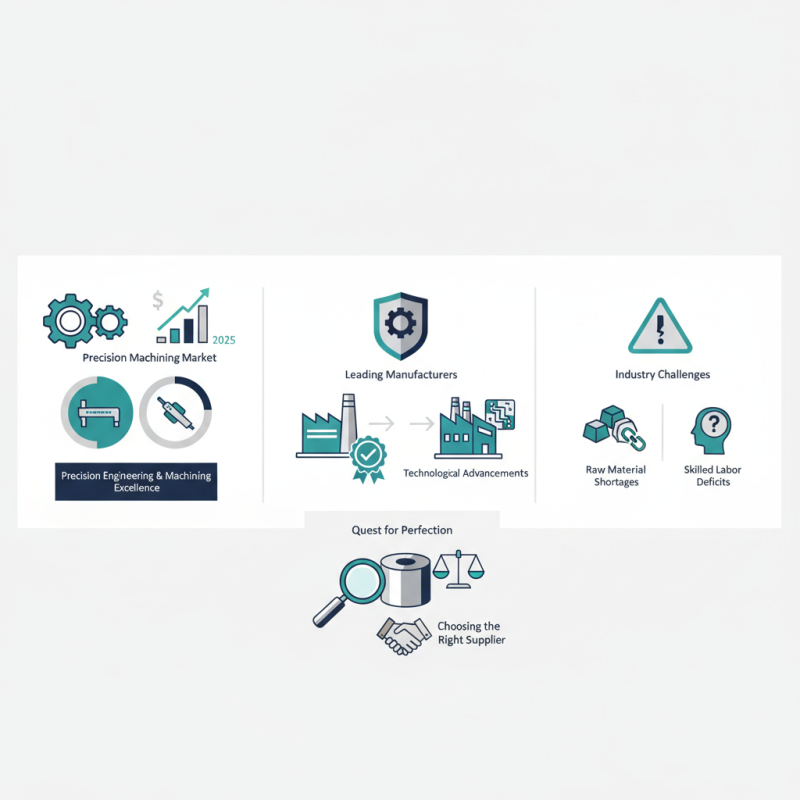
In the world of manufacturing, things are constantly changing, and having high-quality Precision Turning Parts has really become essential. I recently came across a market analysis by Industry Research, and it looks like the global precision machining industry is set to hit around $45 billion by 2025. That’s a pretty huge number and quite a clear sign that there's a big demand for top-notch engineering and machining skills right now. Dr. John Anderson, a well-known expert in this field, pretty much summed it up when he said, “Quality in Precision Turning Parts really gives companies that extra edge in today’s competitive market.”
Manufacturers are constantly pushing the envelope, trying to innovate while juggling costs and performance. Names like Precision Machining Co. and Turner Tech have really made a name for themselves by focusing on quality and embracing new technology. But it's not all smooth sailing – the industry’s facing some serious hurdles, like shortages of raw materials and a lack of skilled workers, which can sometimes mess with production schedules.
In a game where precision is everything, the pressure to get things just right is pretty intense. Striking that perfect balance between tight tolerances and keeping things moving fast isn’t easy. As everyone aims for perfection, it’s pretty clear that choosing the right supplier for your Precision Turning Parts is more important than ever. It’s all about finding partners who can deliver both quality and reliability in this demanding industry.
The custom precision turning part manufacturing industry plays a crucial role in various sectors. According to a recent market analysis, this sector is expected to grow significantly, with a projected CAGR of 6% from 2023 to 2030. This growth highlights the increasing demand for high-quality components in automotive, aerospace, and electronics industries. However, the variability in quality among manufacturers raises concerns about reliability.
When choosing a manufacturer, precision and consistency matter. A recent study indicated that 40% of defects in turning parts originate from ineffective quality control processes. Companies must prioritize manufacturers who employ advanced technologies like CNC machining and automated inspection systems. These technologies enhance accuracy and reduce the risk of errors.
Sustainability is another critical factor influencing manufacturer selection. Many companies are now opting for manufacturers that prioritize eco-friendly practices and materials. The industry's shift towards sustainable practices is not just a trend; it's a response to increasing regulatory demands and consumer expectations. However, transitioning to greener practices can be challenging, requiring time and investment. Being aware of these challenges can help businesses make informed decisions.
When selecting a precision turning part manufacturer, experience is crucial. Look for companies with a proven track record. Those with years of practice understand nuances better. They often have advanced machinery and skilled workers. The knowledge gained over time leads to quality that newer companies may struggle to achieve.
Quality control measures are essential. Manufacturers should have strict protocols in place. This ensures precision and consistency in every part produced. Ask about their inspection processes. Reliable manufacturers use advanced technology for thorough quality checks. Without such oversight, even the best designs can falter.
Communication is another key element. Open channels between clients and manufacturers lead to successful projects. Ensure the manufacturer is responsive to questions and feedback. A good partnership often reveals areas for improvement, enhancing overall outcomes. Mistakes can happen, but addressing them quickly is critical.

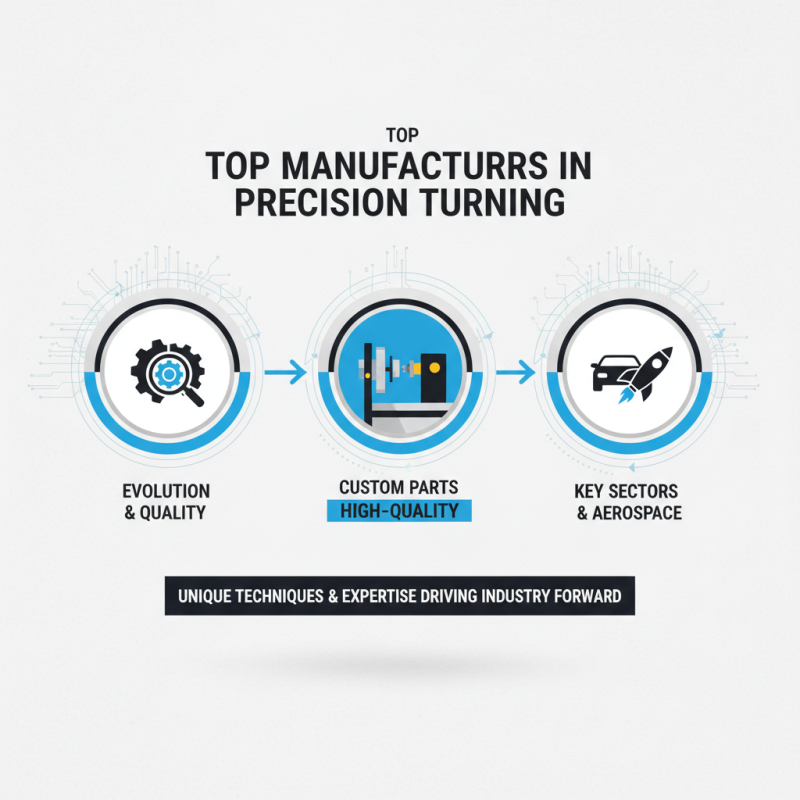
The precision turning industry has evolved significantly. Many companies focus on creating high-quality custom Turning Parts. They cater to various sectors, including automotive and aerospace. Each manufacturer brings unique techniques and expertise to the table.
Quality is paramount in precision turning. Some manufacturers utilize advanced CNC machines to achieve excellent tolerances. However, not every shop maintains these standards consistently. It's crucial to evaluate their capabilities before collaboration. Paying attention to their production methods can reveal their commitment to quality.
Additionally, customer feedback plays a vital role. Manufacturers often showcase their projects, but reviews offer deeper insights. A company might claim excellence, but real-world performance can differ. Assessing both experience and transparency will help you choose the right turning part supplier for your needs.
Innovative technologies are reshaping the landscape of Cnc Turning Part Manufacturing. Recent reports highlight that the market for precision turning components is growing at a compound annual growth rate (CAGR) of 6.5%. This growth is driven by advancements in automation and tooling technologies. Smart machinery integration enables higher precision and reduced production times.
Additive manufacturing has also entered the precision turning space. By combining traditional methods with 3D printing, manufacturers achieve complex geometries that were once impossible. This innovation may not fully replace existing processes; however, it offers unique solutions that enhance product functionality and reduce material waste.
Data suggests that nearly 40% of manufacturers are investing in digital twin technology. This allows for real-time monitoring of machinery operations, leading to increased efficiency and reduced downtime. While these innovations hold promise, challenges remain. Issues such as training workforce and adapting to new technologies can hinder implementation. Manufacturers must carefully navigate these transitions to realize the full potential of Cnc Turning Part Manufacturing.
| Manufacturer Type | Material Types | Technology Used | Quality Certifications | Annual Production Capacity |
|---|---|---|---|---|
| CNC Machining | Aluminum, Stainless Steel, Brass | CNC Lathe, Multi-Axis Turn-Milling | ISO 9001, AS9100 | 500,000 units/year |
| Turning & Milling | Titanium, Copper, Plastic | Swiss Type Lathes, Vertical Milling | ISO 13485, IATF 16949 | 750,000 units/year |
| Precision Engineering | Carbon Steel, Alloy Steel, Nylon | CNC Machining Centers, Lasers | CE Marked, RoHS Compliance | 300,000 units/year |

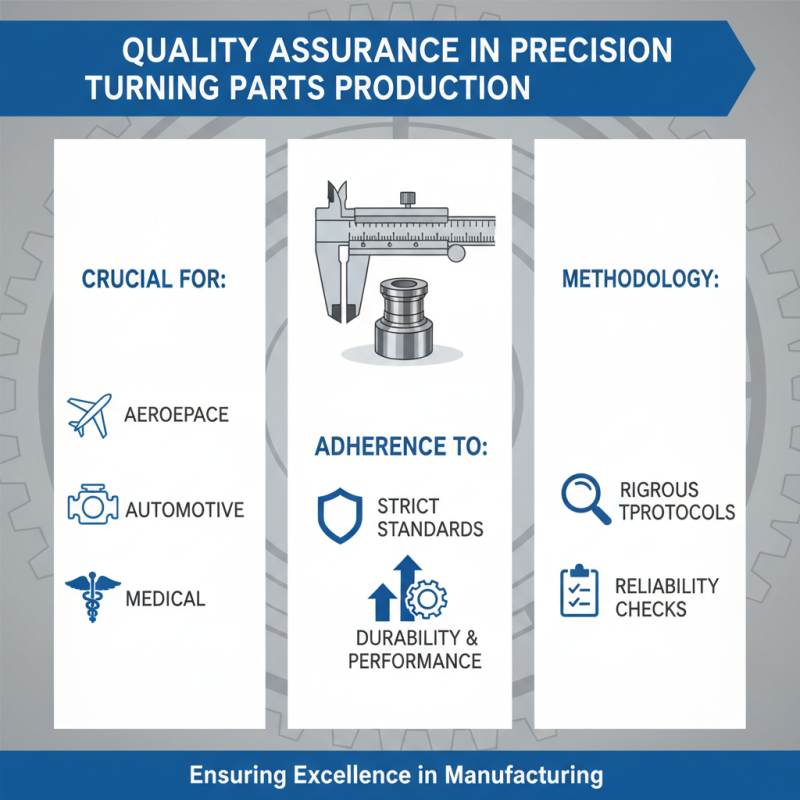
Quality assurance is crucial in the manufacturing of precision turning parts. These components are vital for various industries, including aerospace, automotive, and medical sectors. Manufacturers must adhere to strict quality standards. They often implement rigorous testing protocols to ensure durability and performance.
One common practice is using precise CNC machinery. Part Cnc technology allows for high accuracy and consistency in production. Despite advanced methods, flaws can still occur. Human error or machine calibration issues may lead to discrepancies. Regular audits and feedback loops should be in place to address these shortcomings.
Additionally, certifications from recognized organizations play a significant role. They demonstrate a manufacturer's commitment to quality. Companies may obtain ISO certifications to enhance their credibility. However, it's important to recognize that certification alone does not guarantee excellence. Continuous improvement is essential in this field. Ultimately, maintaining high-quality standards requires diligence and dedication from all involved in the production process.
The global market for precision turning parts is experiencing notable trends. According to a recent industry report, the precision machining market is projected to reach $80 billion by 2027. This growth is driven by advancements in technology and increased demand in sectors like automotive and aerospace. Manufacturers are adapting to these changes, focusing on automation and sustainability to enhance production efficiency.
Data indicates that the Asia-Pacific region dominates the market share, fueled by a surge in manufacturing activities in countries such as China and India. Precision turning parts manufacturers are investing heavily in modern equipment to meet stringent quality standards. However, they face challenges, such as fluctuating raw material costs. Addressing these issues is crucial for long-term sustainability.
Quality control remains a significant concern. Many manufacturers struggle with maintaining consistent precision and accuracy. Implementing stringent quality assurance processes can mitigate these risks. In the rapidly evolving landscape, staying updated with technological advancements is essential for manufacturers to remain competitive.
The precision turning manufacturing industry is evolving rapidly. With advancements in technology, manufacturers are facing new challenges. The push for higher quality and faster production times is relentless. Companies must adapt and innovate to meet these demands.
One significant hurdle is the skill gap in the workforce. There are fewer trained technicians who understand advanced machinery, including 5 Axis Part manufacturing. This has led to over-reliance on technology, which can result in errors if not monitored closely. Many manufacturers are investing in training programs, yet the results take time.
Additionally, there is growing pressure to implement sustainable practices. Environmental regulations are tightening. Manufacturers must find ways to reduce waste without compromising on precision. This balance is difficult to achieve. Companies are often navigating through trial and error as they explore eco-friendly materials and processes. As the industry continues to grow, these aspects must be handled carefully.
When selecting an OEM precision metal stamping parts supplier in China, it’s essential to focus on a few crucial aspects that align with your specific requirements. First, evaluate the supplier's manufacturing capabilities. Check for advanced machinery and technology that ensure precision and efficiency in production. A reputable supplier should be equipped with modern CNC equipment and tested processes that guarantee high-quality metal stamping parts. Additionally, inquire about their quality control protocols to ensure they meet industry standards.
Next, consider the supplier's experience and expertise in your particular industry. An established supplier with a proven track record will have a deeper understanding of the unique challenges and expectations in various sectors. Look for testimonials or case studies that demonstrate their proficiency in delivering tailored solutions. It’s also beneficial to establish communication with the supplier to assess their responsiveness and willingness to collaborate on custom projects, which can be pivotal for meeting your production timelines and specific design features.
Finally, don’t overlook the importance of logistical efficiency. A supplier that can offer streamlined shipping and flexible lead times can significantly impact your operational flow. It’s advisable to discuss delivery schedules upfront and evaluate their ability to scale operations as needed. By carefully considering these factors, you can make an informed decision and establish a productive partnership with a China OEM precision metal stamping parts supplier that best meets your needs.
: Seek manufacturers with a proven track record and years of practice.
Quality control is crucial. It ensures precision and consistency for every produced part.
Inquire about inspection processes and technology used for thorough quality checks.
Open communication leads to successful projects and quick resolution of mistakes.
Technologies like automation and additive manufacturing improve precision and reduce production time.
Workforce training and technology adaptation can hinder successful implementation.
It's expected to reach $80 billion by 2027 due to tech advancements and growing demand.
The Asia-Pacific region dominates, driven by manufacturing growth in China and India.
Many struggle with maintaining consistent precision and accuracy in production.
Implementing strict quality assurance processes is essential for long-term success.
This article provides a comprehensive overview of the custom precision turning part manufacturing industry, highlighting the key factors for selecting reliable manufacturers. It emphasizes essential criteria such as production capabilities, technological advancements, and quality assurance standards that influence the selection process. Additionally, the article explores the current global market trends, pinpointing innovative technologies that are shaping the future of precision turning parts.
Furthermore, the piece discusses the challenges faced by manufacturers in maintaining high-quality production while adapting to market changes. As the industry evolves, the demand for precision turning parts continues to grow, making it imperative for manufacturers to stay ahead in terms of technology and quality assurance. Overall, this summary underscores the importance of careful selection and innovation in the precision turning part manufacturing sector.