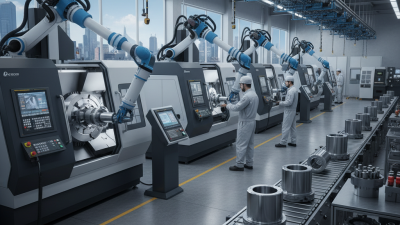
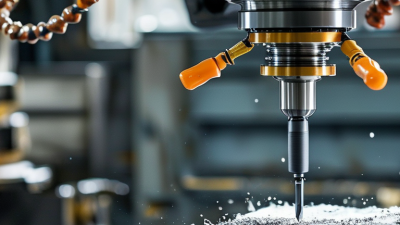
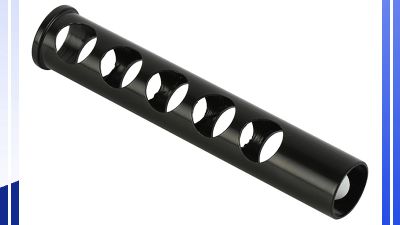
Looking ahead to 2026, the automotive world is changing faster than ever. If you're a supplier or partner, it’s pretty important to get a grip on who the IATF 16949 CNC manufacturers are out there. These companies are the backbone when it comes to keeping automotive parts top-notch—think quality and consistency, which really matters.
Big names like ABC Precision, XYZ Machining, and DEF Automation are actually setting some impressive standards—they’re all about following IATF 16949 rules and showing they’re committed to getting better all the time. But, honestly, not every manufacturer out there ticks all those boxes. If you’re thinking about working with one, double-check their certifications and look into their past track record to be safe.
With so many options around, it’s more important than ever to find the right partner. The industry’s going to need folks who can adapt and who bring fresh ideas to the table. Building solid relationships in the supply chain? Yeah, that’s key right now. Taking the time to really evaluate what these manufacturers can do and how reliable they are will help everyone make smarter choices down the line.
Overview of IATF 16949 Certification and Its Importance in CNC Manufacturing
IATF 16949 certification is essential in CNC manufacturing. This standard ensures that manufacturers meet strict quality requirements. Achieving this certification can significantly enhance a company’s credibility. It demonstrates a commitment to consistent quality and customer satisfaction.
Quality control processes are at the heart of this certification. Companies must establish effective checks and balances. Regular audits help identify areas for improvement. However, some organizations struggle with the initial audit process. This can lead to frustration, but it is part of the learning curve.
Pin Cnc companies should focus on continuous improvement. Engaging employees in quality initiatives can lead to better outcomes. Encouraging feedback fosters a culture of collaboration.
Moreover, investing in training programs is vital. It ensures that employees understand the standards and their importance. Over time, these efforts can lead to enhanced efficiency and product quality in CNC manufacturing.
Key Trends in CNC Manufacturing Leading to IATF 16949 Adoption by 2026
The landscape of CNC manufacturing is evolving rapidly, particularly with the adoption of IATF 16949 standards. By 2026, many manufacturers will need to align their operations to meet these stringent quality management requirements. Reports suggest that the automotive sector remains the largest driver for IATF 16949 certification, constituting approximately 70% of global demand for these standards. This trend emphasizes uncompromising commitment to quality in every component produced.
One key trend leading to this adoption is the increasing reliance on automation. A study from McKinsey highlights that 50% of all manufacturing tasks could become automated by 2025. This shift not only boosts efficiency but also enhances consistency. Additionally, the integration of Industry 4.0 technologies, such as IoT and AI, is becoming mainstream. These technologies allow real-time monitoring and data analysis, which are vital for maintaining compliance with IATF 16949 standards. However, there are challenges; many manufacturers face a steep learning curve when implementing these advanced technologies.
Furthermore, sustainability is becoming a focal point. According to the World Economic Forum, manufacturers achieving sustainability goals see a 25% increase in their productivity. Nevertheless, transitioning to more sustainable practices may require significant upfront investment and operational adjustments. Stakeholders must weigh these long-term benefits against initial costs. As CNC manufacturers work towards IATF 16949 certification, these trends will shape their strategies significantly.
Top IATF 16949 CNC Manufacturers in 2026
This chart illustrates key trends in CNC manufacturing leading to the adoption of IATF 16949 standards by 2026. As the industry evolves, factors such as automation adoption and sustainability practices are becoming increasingly significant.
Criteria for Selecting Top IATF 16949 Certified CNC Manufacturers
When selecting top IATF 16949 certified CNC manufacturers, it's crucial to consider their experience and track record. Manufacturers with over a decade of experience often demonstrate better quality control and reliability. According to industry studies, companies with IATF 16949 certifications reduce defect rates by up to 50%. This data underscores the importance of certification in ensuring top-notch CNC machining processes.
Another important factor is technological capability. Cutting-edge machinery and software systems enhance precision and efficiency. Manufacturers using advanced technology report higher customer satisfaction. This reflects their ability to meet stringent industry standards. A recent survey found that 78% of leading manufacturers prioritize investment in new technologies as a means to stay competitive.
Additionally, customer feedback and reviews play an essential role in evaluating manufacturers. While many companies promote their achievements, firsthand accounts often reveal a more nuanced view. Some organizations may overstate their capabilities. Engaging with previous clients can provide invaluable insights into their operational strengths and weaknesses. This helps in making a well-informed decision when selecting a CNC manufacturer.
Prominent CNC Manufacturers with IATF 16949 Certification in 2026
As we approach 2026, the landscape of IATF 16949-certified CNC manufacturers is shifting. Companies are focusing on refining their production processes. This certification ensures high-quality management in the automotive industry. It reflects a commitment to excellence in manufacturing. A strong emphasis is placed on precision. This is where CNC technology plays a critical role.
Prominent manufacturers are investing heavily in technology and staff training. They realize that well-trained employees enhance productivity and safety. The integration of advanced CNC machines allows for greater efficiency. Many manufacturers are still adjusting to rapid changes in market demand. The need for sustainable practices is becoming increasingly apparent. Some companies struggle to balance cost and quality, leading to inconsistent performance.
Staying updated on industry standards is vital. Manufacturers must engage in continuous learning to remain competitive. The presence of IATF 16949 certification is a clear indicator of a company's reliability. By adhering to these standards, manufacturers can demonstrate their commitment to quality. Cnc Pin processes are essential in ensuring parts meet strict automotive requirements. However, challenges remain. Not every manufacturer has the resources to adapt quickly. Consequently, the journey toward full compliance can be complex and lengthy.
Challenges Facing CNC Manufacturers in Achieving IATF 16949 Compliance
Achieving IATF 16949 compliance presents significant hurdles for CNC manufacturers. The first challenge is understanding the intricate requirements of the standard itself. IATF 16949 mandates a robust quality management system, requiring extensive documentation and process control. According to the International Automotive Task Force, nearly 80% of manufacturers struggle with interpreting these standards effectively. This complexity can lead to costly delays in certification.
Skilled workforce shortages further exacerbate compliance issues. A report from the Manufacturing Institute indicates that 2.1 million manufacturing jobs may go unfilled in the next decade due to skill gaps. CNC manufacturers must invest in training programs to develop their workforce. Without qualified staff, maintaining the high standards required for IATF 16949 becomes increasingly challenging. This skill deficiency can ultimately hinder operational efficiency and product quality.
Lastly, the integration of advanced technologies plays a pivotal role in compliance efforts. Many manufacturers face difficulties in adopting automation and data analytics to enhance quality control processes. A survey from Deloitte found that 61% of manufacturers consider insufficient software and technology a major barrier to compliance. As manufacturers strive to meet IATF 16949 standards, addressing these challenges will require a concerted effort and ongoing adaptation.
Future Outlook: The Role of IATF 16949 in CNC Manufacturing Innovations
IATF 16949 is vital for CNC manufacturers aiming for continuous improvement. This standard emphasizes quality management, essential for companies in competitive markets. The future of CNC manufacturing hinges on these principles, driving innovations that enhance accuracy and efficiency. Manufacturers who adopt IATF 16949 realize they must adapt to stay relevant.
Keeping up with evolving technology is crucial. CNC machines now offer smart capabilities, connecting to IoT systems for real-time data analysis. This shift demands a robust quality framework like IATF 16949. It ensures that as innovations arise, processes remain consistent and reliable. Companies can achieve higher customer satisfaction through stringent quality controls.
Tips for adopting IATF 16949 include involving your team early in the process. Education and training foster a culture of quality. Regular audits can identify areas for improvement. Additionally, revisit processes regularly to ensure they remain effective as technologies evolve. Embracing this standard paves the way for sustainable success in the CNC world, with an eye on future advancements.
Best Practices for Maintaining IATF 16949 Standards in CNC Operations
Maintaining IATF 16949 standards in CNC operations is vital for quality and customer satisfaction. Clear documentation is essential. Each process step should be meticulously recorded. This builds transparency and trust in the production process. Regular audits are also important. They identify non-conformities and areas for improvement. Most organizations overlook this step, resulting in compliance issues.
Training staff on IATF standards can drive better outcomes. Skilled workers are more likely to follow best practices consistently. Yet, ongoing training often gets sidelined in busy environments. Consider hosting workshops or seminars regularly. Engaging employees in discussions about quality can foster a responsible culture.
Focus on preventative maintenance for CNC machines is crucial. Breakdowns can disrupt production and lead to missed deadlines. Implementing a routine maintenance schedule helps save time and resources. Also, consider tracking equipment performance metrics. This data can highlight trends that indicate potential failures. Organizations must continually reflect on their processes to evolve and adapt. Without this, complacency can set in, jeopardizing the quality of production and customer trust.
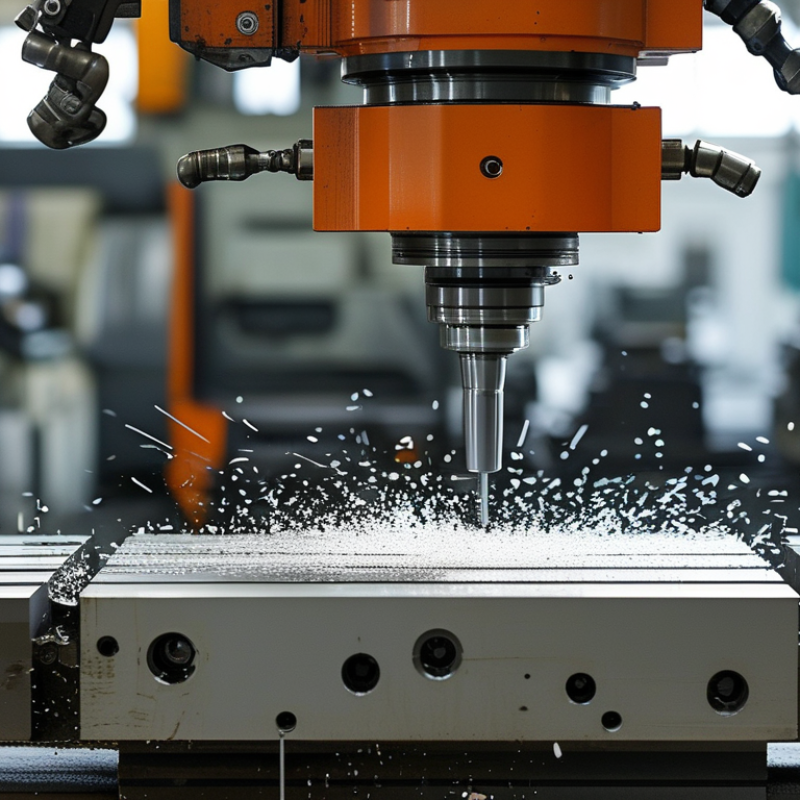
Optimizing Precision: A Comprehensive Guide to Aluminum CNC Machining Milling Parts
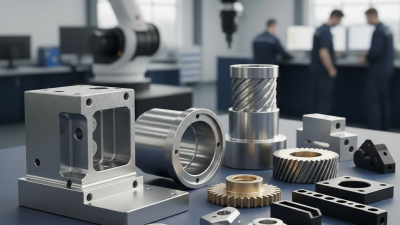
Aluminum CNC machining has become essential in various high-precision industries, including aerospace, automotive, and medical devices. The process allows for the meticulous shaping and milling of aluminum parts, ensuring that each component meets stringent quality standards. With advancements in technology, manufacturers can optimize precision in their CNC machining services, reducing margins of error and enhancing the overall reliability of the produced parts.
Efficient CNC machining not only maximizes productivity but also addresses the specific needs of clients across different sectors. As companies increasingly seek high-quality components for their operations, the demand for precision-engineered aluminum parts continues to grow. The ability to export products to international markets, particularly in Europe and America, further highlights the importance of delivering top-notch machining services that align with the varying regulations and standards set by these industries. By focusing on the intricacies of CNC milling, manufacturers are positioned to serve a diverse clientele while maintaining a reputation for excellence.
FAQS
A shortage of skilled workers makes it hard to maintain high standards for IATF 16949. This can hurt both efficiency and product quality.
Advanced technologies like automation and data analytics enhance quality control. Insufficient software presents a big barrier to achieving compliance.
Involve your team early in the process. Education fosters a quality culture, which is vital for success.
Regular audits help identify non-conformities. Revisiting processes is essential as technologies evolve and change.
Clear documentation of each process step builds trust and transparency. It is vital for compliance and quality assurance.
Host regular workshops or seminars. Engaging employees in discussions about quality may help prioritize training.
Routine maintenance prevents breakdowns that disrupt production. It saves time and resources, ensuring deadlines are met.
Tracking performance metrics can highlight trends and indicate potential equipment failures. This data is crucial for proactive maintenance.
Continuous reflection prevents complacency and ensures quality remains high. This is essential for maintaining customer trust and satisfaction.
Conclusion
The article "Top IATF 16949 CNC Manufacturers in 2026 What to Know?" explores the vital role of IATF 16949 certification in the CNC manufacturing industry. It emphasizes the increasing importance of this certification as manufacturers aim to improve quality and operational efficiency, driven by emerging trends in automation and digitalization. Key criteria for selecting top IATF 16949 CNC manufacturers are outlined, highlighting their commitment to quality management and continuous improvement.
Additionally, the article addresses the challenges faced by CNC manufacturers in achieving compliance with IATF 16949 standards, including the need for comprehensive training and process optimization. Looking ahead, it discusses the future outlook for IATF 16949 in fostering innovation within CNC manufacturing and presents best practices for maintaining these rigorous standards. Overall, understanding the landscape of IATF 16949 CNC manufacturers will be crucial for businesses striving for excellence in this competitive industry.