Inquiry
Leave Your Message
0%

Picking the right CNC turning supplier really matters if you're serious about manufacturing success. I came across a report from Grand View Research that says the global CNC machining market is projected to hit around $100 billion by 2027, growing at an annual rate of about 6%. That’s pretty significant, and it shows how much demand there is for precision engineering across different industries. Finding a top-notch supplier isn’t just a good idea—it can really make a difference in the quality of your products and how smoothly production runs.

CNC turning services are fantastic for creating complex designs and tight tolerances. But here’s the thing—you can't just pick any supplier and expect everything to turn out great. Lots of companies out there struggle with inconsistent quality and unreliable delivery times. In fact, a survey by Industry Week found that nearly 30% of manufacturers have issues with their supplier reliability, and that can really mess with your operations. That's why it's so important to do your homework—look for partners with solid experience and real expertise in CNC turning.

Spending a little extra time in your supplier search really pays off. There are plenty of case studies showing that manufacturers who go with reputable suppliers see about a 20% drop in production costs. When you carefully check out their capabilities, technology, and certifications, you're actually strengthening your entire supply chain. In the end, focusing on quality and consistency is what’ll keep you competitive and help you succeed in the long run.
Top 10 Tips for Choosing Custom High Quality CNC Turning Suppliers?

Understanding the Importance of Quality in CNC Turning Suppliers

Top 10 Tips for Choosing Custom High Quality CNC Turning Suppliers?

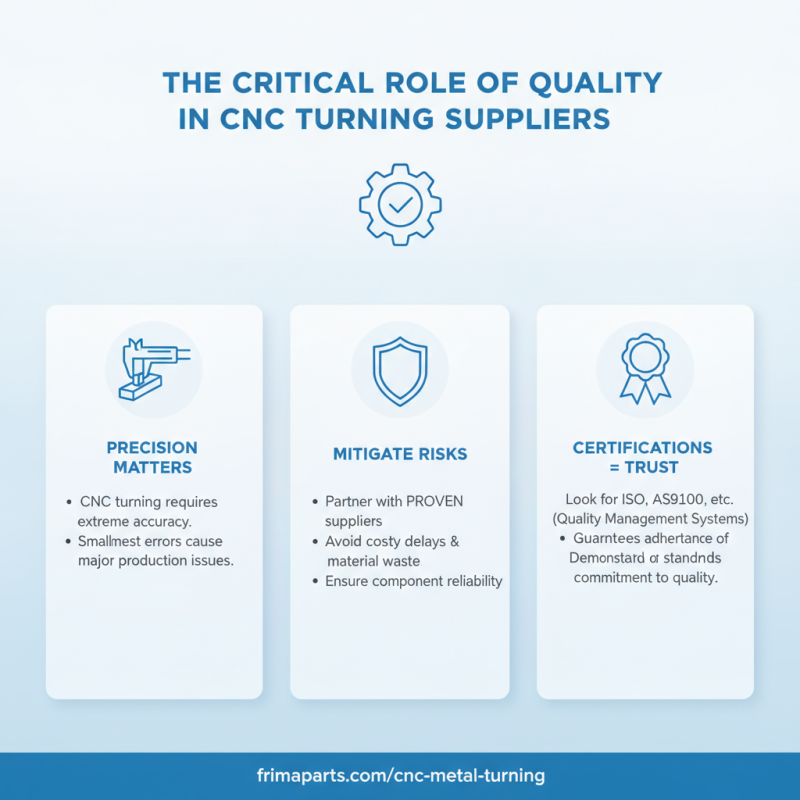
When choosing CNC turning suppliers, quality plays a critical role. Cnc Metal Turning is a precise process, and even small errors can lead to significant production issues. It is vital to partner with suppliers who have a proven track record of delivering high-quality components. Look for suppliers with certifications that focus on quality management systems. These endorsements indicate adherence to industry standards, ensuring reliability in your components.

Communication is essential in this selection process. Reach out to potential suppliers and inquire about their materials, machines, and quality control measures. Evaluate how well they articulate their capabilities. A supplier that struggles to provide clear answers may lack the expertise needed for your project. Ask for samples to assess their craftsmanship. This hands-on evaluation can reveal potential inconsistencies and help you make a more informed decision.

A good reputation is another important factor. Suppliers often rely on client feedback to improve their services. Look for reviews or case studies that showcase their experience with similar projects. However, keep in mind that not all reviews are genuine. It's beneficial to conduct thorough research and speak to previous clients if possible. The right CNC metal turning supplier should not only meet your specifications but also support your long-term quality objectives.

Identifying Your Specific CNC Turning Requirements and Specifications

When choosing custom CNC turning suppliers, understanding your specific requirements is crucial. Identify the dimensions and tolerances needed for your project. Determine the material type, as this impacts both performance and cost. Different materials can yield vastly different results in Cnc Turning Parts. Knowing these details will help suppliers tailor their services to fit your needs.

Consider your production volume. Will you require a large batch of CNC turning parts or just a few prototypes? This affects the supplier's capabilities and pricing. Communication is vital here. Suppliers should be willing to engage in discussions about your expectations. Any lack of detail can lead to unsatisfactory results.

Review past work from potential suppliers. Look for case studies that align with your requirements. An experienced supplier will show a variety of CNC turning parts they’ve produced. Don’t hesitate to ask for references. A reliable supplier should have satisfied clients backing their quality. This approach ensures you find the right fit for your project needs.

Top 10 Tips for Choosing Custom High Quality CNC Turning Suppliers

Tip Number Tip Description Key Considerations Importance Level
1 Define Your Specifications Clearly Material, dimensions, tolerance High
2 Evaluate Experience and Expertise Industry experience, workforce skill High
3 Check Equipment and Technology CNC machines, software Medium
4 Request Samples and Prototypes Quality assessment, fit and finish High
5 Consider Lead Times and Delivery Reliability Turnaround times, logistics Medium
6 Assess Quality Control Processes Inspection methods, certification High
7 Analyze Pricing Structure Transparent pricing, hidden costs Medium
8 Check References and Reviews Past customers, reliability High
9 Evaluate Customer Service Support Communication, assistance Medium
10 Confirm Compliance with Industry Standards Regulatory, safety standards High

Researching Potential Suppliers: Key Resources and Strategies

Choosing the right CNC turning supplier is crucial. Research is the foundation for informed decisions. Utilize online databases like ThomasNet and Maker's Row. These platforms offer valuable insights into potential suppliers’ capabilities and specializations. Check industry-specific reports for performance standards. According to a 2021 survey by the Canadian Manufacturing Technology Show, 70% of companies prioritize quality assurance over cost when selecting suppliers.

Visit supplier websites to gauge their expertise. Look for case studies showcasing their work. Analyze their experience in using advanced Cnc Turning Centers. This equipment plays a key role in precision machining. A report from the United States Department of Commerce highlighted that firms using high-quality CNC machinery reported 15% less production waste.

Don't overlook customer reviews and testimonials. Some suppliers may present misleading information. Investigate multiple sources for a comprehensive understanding. Reach out to other businesses in your network for recommendations. Their insights can reveal potential issues you might face. Always remain critical when assessing each supplier's claims. Engaging with prospective suppliers raises questions and clears doubts.

Evaluating Supplier Capabilities: Equipment and Technology Insights

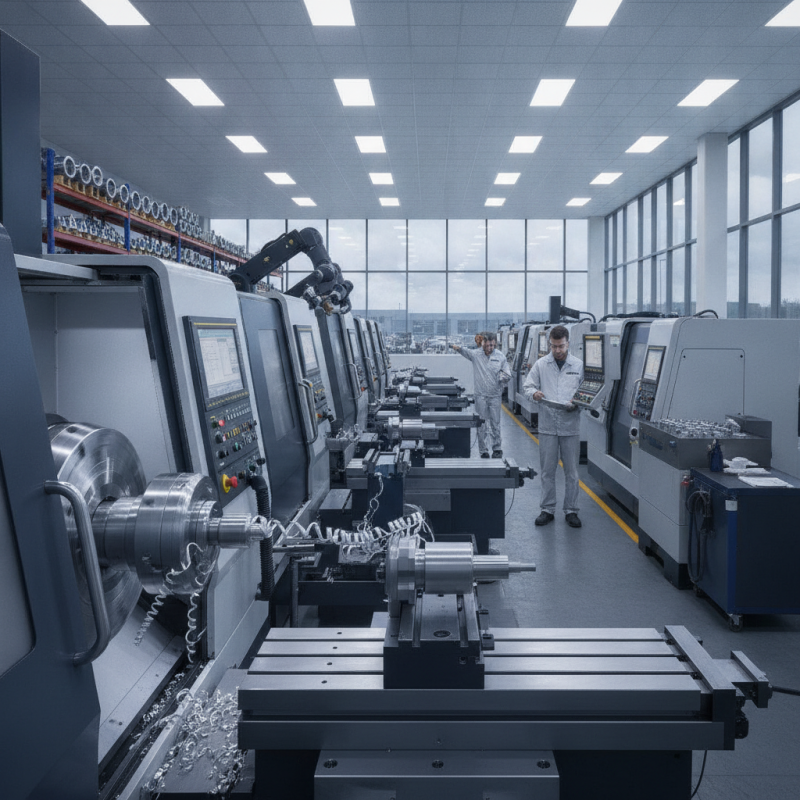
When evaluating CNC turning suppliers, their equipment and technology are vital. Advanced machines enhance precision and efficiency. Check if they employ CNC lathes that can handle complex geometries. Modern technology can make a significant difference in turnaround times and product quality. Visit their facilities if possible. Seeing the equipment firsthand gives you insights into their capabilities.

Look for suppliers who invest in technology. Automation can lead to fewer errors and higher output. Those using CAD/CAM software tend to streamline the machining process. It's also important to ask about their maintenance practices. A well-maintained machine is more reliable. Suppliers may brag about their machines. Be wary if they cannot provide proof of regular upkeep.

In your search, consider requesting sample parts. This offers a tangible assessment of quality. Don't shy away from asking about their quality control measures. A reputable supplier will be transparent about their processes. Trust is built on openness and demonstrated ability. Always weigh their technological capabilities against your specific needs. This ensures you find a partner who can meet your expectations effectively.

Assessing Supplier Experience and Industry Reputation

When selecting a custom CNC turning supplier, assessing their experience is crucial. An experienced supplier often has a proven track record. They have dealt with various materials and complexities. You can gauge their experience by reviewing case studies and client testimonials. Look for specific examples that showcase their capabilities. This shows they understand your needs better.

Industry reputation is another critical factor. A reputable supplier will have positive feedback from past clients. Check online reviews and industry forums for insights. Pay attention to any negative comments, as they can reveal potential issues. It’s beneficial to reach out to previous customers. Their firsthand experiences will guide your decision-making process.

Consider the supplier’s years in the industry. Longevity often signals stability and reliability. New entrants might offer lower costs but could lack the necessary expertise. Reflect on how these elements fit into your project requirements. It’s essential to balance cost and quality when making your choice. Avoid rushing into decisions without gathering adequate information. The right partner can significantly impact your project’s success.

Comparing Pricing and Value: What to Look For

When it comes to selecting custom high-quality CNC turning suppliers, understanding pricing and value is crucial. Start by comparing quotes from multiple suppliers. A lower price might indicate compromised quality, while higher prices don't always guarantee superior products. Pay attention to material costs and machining complexities. Sometimes, the cheapest option may lead to higher long-term expenses due to poor performance or increased maintenance.

It's important to ask for samples. A physical representation of the supplier's work can reveal their craftsmanship. Look for consistency in dimensions and finishes. Additionally, consider the supplier's experience in your industry. A knowledgeable provider is more likely to understand specific requirements, ensuring your project’s needs are met.

Moreover, don't overlook customer feedback. Online reviews can provide insights into reliability and service levels. However, keep in mind that not every review tells the whole story. Some may reflect individual experiences that aren't universally applicable. By weighing these factors, you can make a more informed decision about your CNC turning supplier.

Establishing Effective Communication and Support Channels with Suppliers

Effective communication is crucial when partnering with CNC turning suppliers. Clear guidelines help ensure that both parties understand requirements. Set up regular check-ins to discuss project timelines and any issues that arise. This fosters a collaborative environment where problems can be tackled swiftly. Miscommunication can lead to costly delays, especially with CNC turning projects. Establishing a feedback loop allows suppliers to know your expectations better.

Support channels are just as important. A reliable supplier should provide easy access to technical support. Establish multiple contact methods, such as email and chat. This ensures you can reach them when urgent issues occur. Having direct lines of communication can prevent misunderstandings. Ask questions about their processes, and don't hesitate to bring up concerns. A responsive supplier can make a significant difference in project outcomes.

Supplier selection isn't just about cost. Consider their responsiveness and quality assurance processes. Ask for references and past project examples. Some suppliers may present well but fail under pressure. It’s essential to reflect on past experiences. Mistakes happen. What matters is how you and the supplier adapt and improve. High-quality CNC turning projects require an ongoing relationship built on trust and transparency.

Market Trends and Innovations in Precision CNC Machining: Driving Efficiency and Quality in Milling Parts Production

Precision CNC machining has revolutionized the production of milling parts, driving efficiency and enhancing quality in manufacturing processes. By utilizing computer numerical control, this technology allows for precise and complex machining tasks that are difficult, if not impossible, to achieve through manual labor. CNC milling is particularly advantageous for industries where high precision and repeatability are essential, such as aerospace, automotive, and medical equipment manufacturing.

CNC milling parts can encompass a wide array of components, from intricate prototypes to large-scale production runs. The ability to program machines with intricate designs means that a variety of materials, including metals and plastics, can be machined into highly precise parts. This flexibility opens up opportunities for innovation in product design, as engineers and designers can push the boundaries of traditional manufacturing techniques, creating parts that are lighter, stronger, and more efficient.

The ongoing trends in precision CNC machining also emphasize advancements in software and tooling technologies. Automation and smart manufacturing solutions are becoming increasingly prevalent, allowing for real-time monitoring and optimization of production processes. These innovations not only improve the quality of the finished products but also reduce waste and operational costs, making CNC milling an essential component of modern manufacturing strategies aimed at maximizing productivity and quality.

FAQS

: Why is the equipment and technology of suppliers important?

: Advanced machines enhance precision and efficiency. They can handle complex shapes better, improving product quality.

How can I assess a supplier's technological capabilities?

Visit their facilities if possible. Seeing equipment firsthand offers crucial insights into their capabilities.

What role does automation play in supplier reliability?

Automation leads to fewer errors and higher output. It shows a supplier's commitment to improving production quality.

Should I request sample parts from potential suppliers?

Yes, requesting sample parts helps assess their quality. It gives you a tangible way to evaluate their capabilities.

What should I consider about a supplier's maintenance practices?

Regular machine maintenance is crucial for reliability. Ask for proof of maintenance, as poorly maintained machines can lead to problems.

How can I gauge a supplier's experience?

Review case studies and client testimonials. Look for specific examples to assess their capabilities and understanding of your needs.

Why is industry reputation significant when selecting a supplier?

A positive reputation indicates reliable service. Read online reviews and reach out to past clients for valuable insights.

What are the risks of choosing a new supplier?

New suppliers may offer lower costs, but they might lack essential expertise. Evaluate their experience before making decisions.

How should I balance cost and quality when choosing a supplier?

Reflect on your project requirements. The right partner can greatly impact success, so don’t rush your choice.

What can past client feedback reveal?

Past feedback can highlight potential issues. Negative comments should be taken seriously as they signal possible problems.

Conclusion

When selecting a custom high-quality CNC turning supplier, understanding the critical role of quality is paramount. It is essential to clearly define your CNC turning requirements and specifications to ensure that potential suppliers can meet your unique needs. Conduct thorough research on potential suppliers using various resources and strategies, focusing on their capabilities regarding equipment and technology.

Evaluating a supplier’s experience and industry reputation is crucial, as this often reflects their reliability and the quality of their products. Additionally, comparing pricing and value is important to ensure that you are making a cost-effective decision without compromising on quality. Finally, establishing effective communication and support channels with your chosen suppliers will facilitate a smoother working relationship, ensuring that your CNC turning projects are executed successfully and meet your expectations.

Ethan

Ethan

Ethan is a dedicated marketing professional at FRIMA, known for his unwavering commitment to delivering high-quality products to clients and their customers. His extensive knowledge of the company's offerings allows him to effectively communicate the unique advantages of their products. Ethan......
Previous Top 10 China Turned Parts for Global Buyers to Consider?