

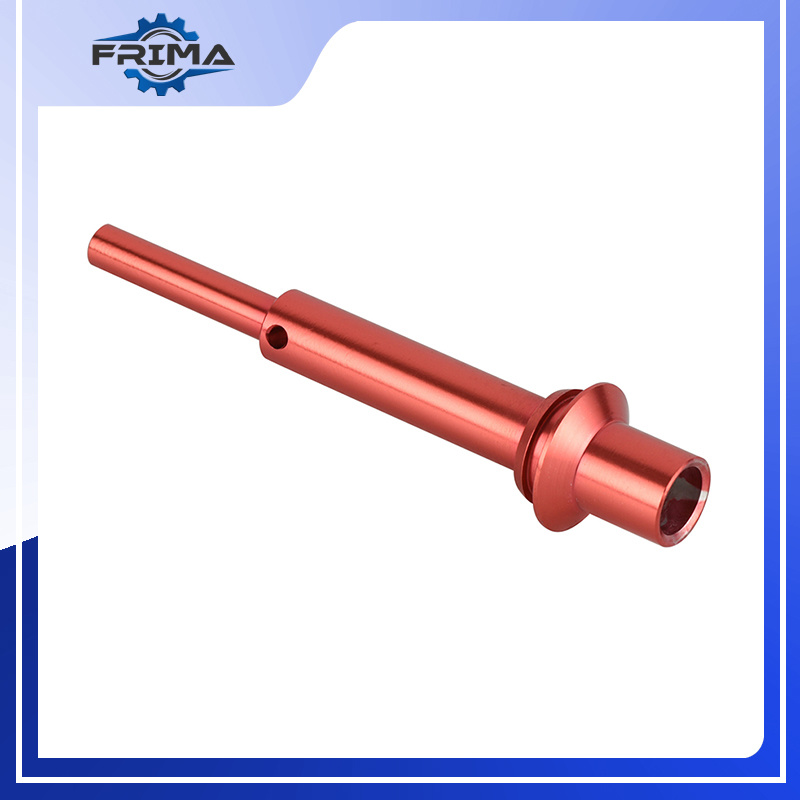
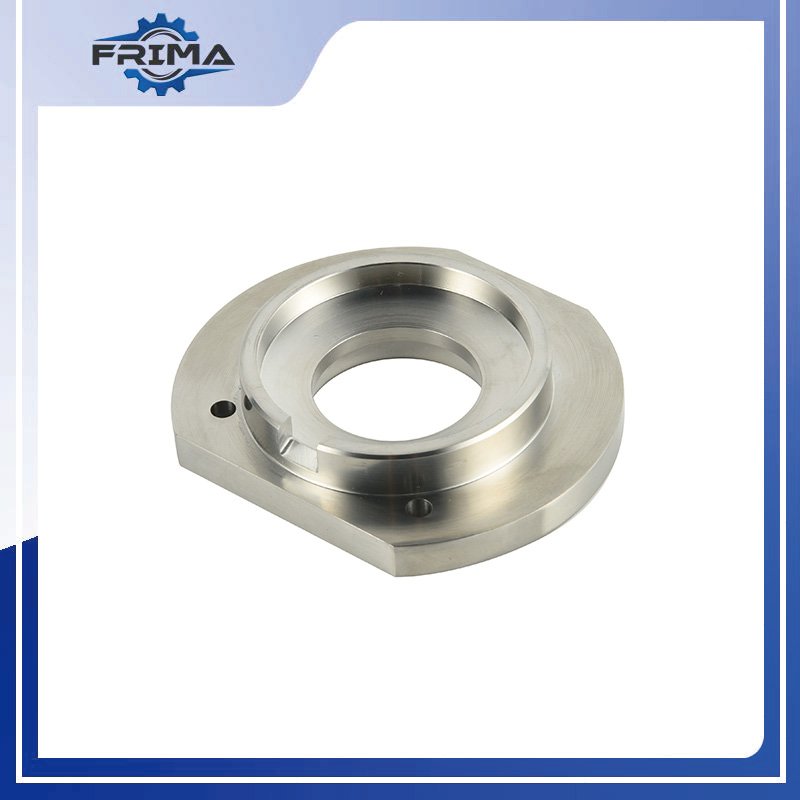
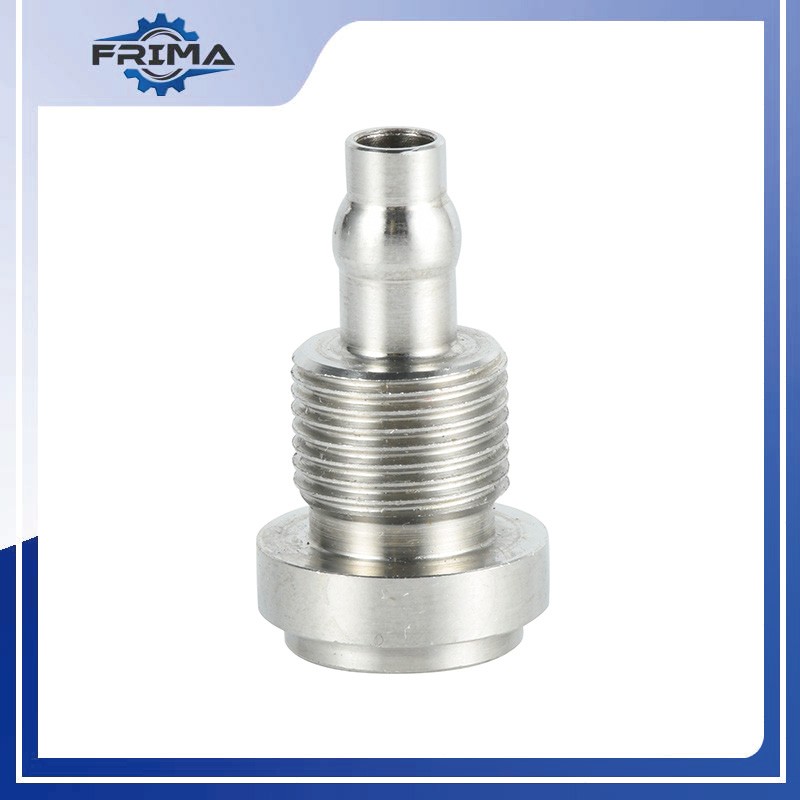
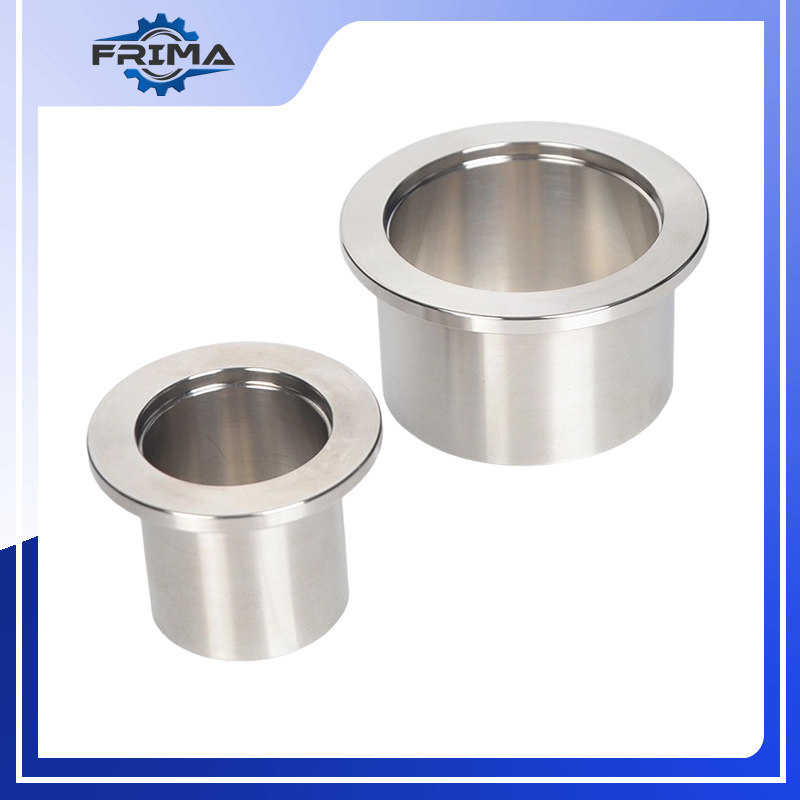
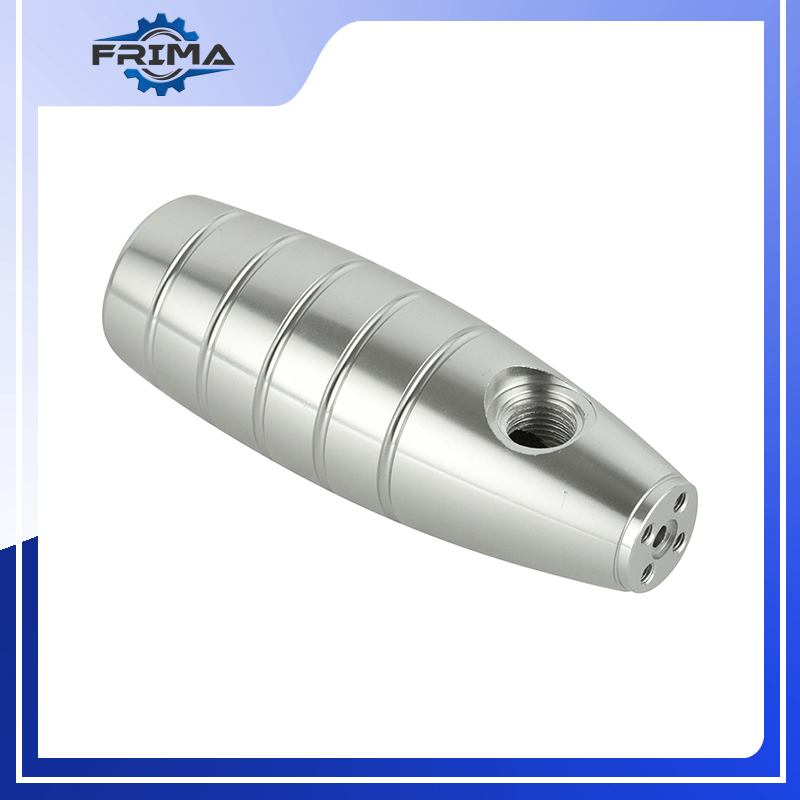
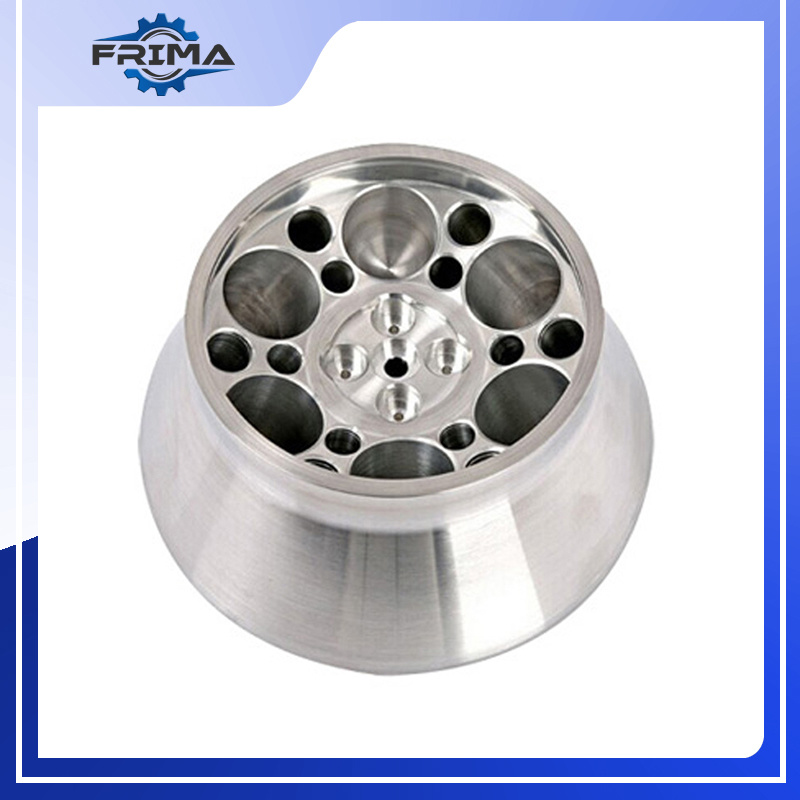
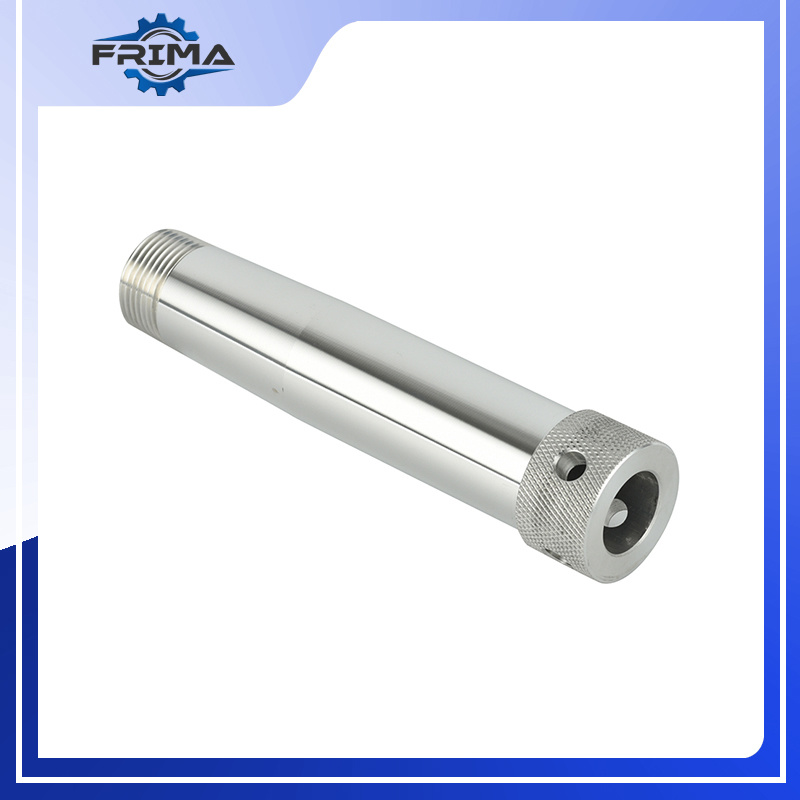
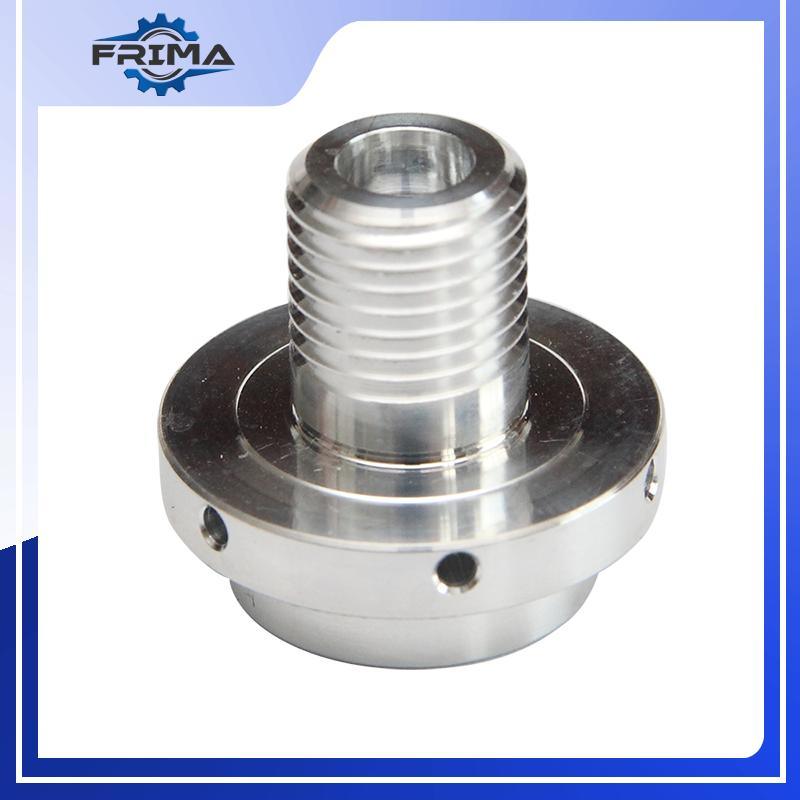

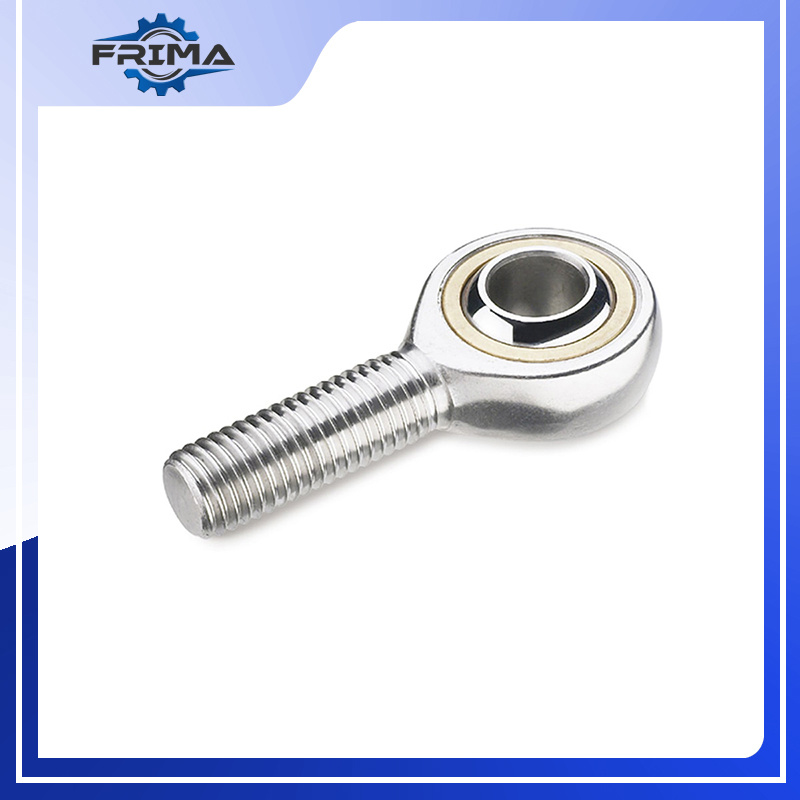
OEM Precision-machined 304 Stainless Steel Components
Our OEM precision-machined 304 stainless steel components service delivers end-to-end made-to-order manufacturing solutions tailored to your exact drawing specifications. As an experienced OEM CNC machining supplier, FRIMA combines full in-house custom CNC machining services, strict quality control and flexible production scaling to support everything from early prototype development to full serial production. All parts are manufactured at our Ningbo, China facility under ISO 9001 quality management, with complete material traceability and batch consistency you can build your entire product line around.
Why 304 Stainless Steel Is the Industry Standard for OEM Components?

FRIMA’s In-House Machining Capabilities
|
Machining Process |
Capability Details |
Typical 304 Stainless Steel Applications |
|
CNC Milling Service |
3/4-axis machining, max work envelope 800×500×400mm; standard tolerance ±0.02mm |
Equipment housings, mounting brackets, manifold blocks, valve bodies, fixture plates |
|
CNC Turning Service |
2-axis & live-tool turn-mill, Ø2mm – Ø250mm diameter; standard tolerance ±0.01mm |
Shafts, pins, bushings, threaded fittings, valve stems, nozzle bodies |
|
CNC Drilling & Tapping Service |
Precision hole machining, counterboring, countersinking; supports ISO, UN, NPT thread standards |
Flange plates, mounting brackets, manifold ports, assembly holes |
|
Precision Grinding Service |
Surface, cylindrical & centerless grinding; tolerance down to ±0.003mm |
Bearing journals, sealing surfaces, precision pins, flat mating surfaces |
|
Welding & Sub-Assembly |
TIG, MIG and spot welding for 304 stainless steel; sub-assembly and kitting services |
Welded frames, enclosure assemblies, integrated component kits |
|
Secondary Finishing |
Deburring, edge radiusing, thread rolling, hardware insertion |
Ready-to-assemble components, smoothed safety edges, threaded features |
All processes are executed by skilled machinists using alloy-optimized cutting parameters, ensuring consistent surface quality and dimensional accuracy across every production batch.
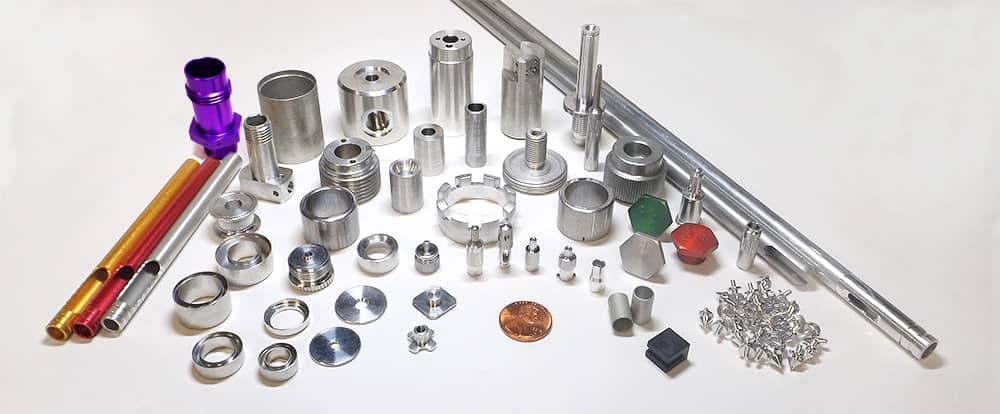
Available Surface Treatment and Heat Treatment Processes
Surface Finishing Treatments for OEM precision-machined 304 stainless steel components
|
Treatment Type |
Process Description |
Key Performance Benefits |
Typical OEM Applications |
|
Citric / Nitric Acid Passivation |
Chemical treatment that removes free iron particles and surface contaminants from machining, and restores the natural chromium-oxide protective layer on the 304 surface. Standard post-processing for all 304 parts. |
Restores full corrosion resistance; eliminates hidden rust risk from carbon steel cross-contamination; meets ASTM A967 standards |
General industrial components, fluid system parts, food equipment hardware, outdoor fixtures |
|
Electropolishing |
Electrochemical process that removes a thin surface layer of material, producing an ultra-smooth, crevice-free, reflective surface. |
Surface finish down to Ra 0.1μm; improved cleanability and sanitary performance; enhanced corrosion resistance; no micro-cracks |
Medical device components, food & beverage processing parts, sanitary fluid fittings, high-purity fluid systems |
|
Mechanical Polishing |
Physical abrasive polishing with graded media, available in satin, brushed and mirror finish grades. |
Controlled surface roughness from Ra 0.4μm to mirror finish; improved aesthetic appearance; consistent surface texture |
Decorative hardware, equipment housings, visible product components, sealing surfaces |
|
Glass Bead Blasting |
Uniform matte finish created by propelling fine glass beads at the part surface under controlled pressure. |
Uniform non-reflective matte finish; hides tool marks and minor surface imperfections; slightly increases surface hardness |
Equipment enclosures, structural brackets, machine guards, non-sanitary industrial components |
|
Electroless Nickel Plating |
Uniform nickel coating deposited via chemical reaction, with consistent thickness across complex geometries. |
Increased surface hardness and wear resistance; improved sliding performance; additional corrosion barrier |
Wear components, mating surfaces, valve stems, mechanical assemblies |
|
Powder Coating |
Dry polymer powder applied electrostatically and cured, available in a wide range of colors and gloss levels. |
Decorative and protective finish; good outdoor weather resistance; abrasion resistant; thick uniform coating |
Outdoor enclosures, equipment frames, cabinet housings, structural components |
|
Black Oxide |
Chemical conversion coating producing a matte black ferrous oxide surface layer. |
Low-glare matte black finish; minimal dimensional change; mild corrosion protection when paired with oil seal |
Optical equipment components, machine interiors, hardware where light reflection is undesirable |
Heat Treatments for 304 Stainless Steel
|
Treatment Type |
Process Description |
Key Performance Benefits |
Typical OEM Applications |
|
Stress Relieving Annealing |
Low-temperature heating (typically 590–620°C) followed by controlled cooling, applied after machining, welding or cold forming. |
Eliminates residual internal stress; reduces risk of dimensional drift and cracking; improves dimensional stability |
Precision machined components, welded assemblies, tight-tolerance parts, long service life structural parts |
|
Solution Annealing |
High-temperature heating (1040–1060°C) followed by rapid quenching, dissolving chromium carbide precipitates back into the material matrix. |
Restores full corrosion resistance; homogenizes material structure; improves ductility and formability |
Welded components, cold-formed parts, corrosion-critical fluid system components |
|
Full Soft Annealing |
Controlled heating and slow cooling cycle to fully soften the material. |
Maximizes material ductility and formability; reduces hardness for secondary forming operations |
Parts requiring additional bending, forming or deep drawing after initial machining |
Material Traceability and OEM Supply Chain Compliance
Flexible Production Scaling for Every Program Stage
Quality Assurance
Layered Inspection Process